ChatGPT Visual Prompts

ChatGPT Visual Prompts: Xray, Diagram, Infographic, Mind Map & More
AI Image Prompts

ChatGPT Visual Prompts: Xray, Diagram, Infographic, Mind Map & More

By GeminiPrompt Editorial Team
August 08, 2026
7 Min Read
Sl NoStyle[EXAMPLE] Best Topics
1XrayHuman Heart - Human Brain - Human Lungs
2DiagramWater Cycle - Solar System - Electric Circuit
3InfographicClimate Change - Food Chain - Renewable Energy
4Handwritten NotesNewton's Laws of Motion - Photosynthesis - Periodic Table
5Mind MapHuman Digestive System - World War II - Computer Fundamentals
6VisualizeBlood Circulation - Earthquake Formation - Internet Data Flow

ChatGPT Visual Prompts can help turn complex topics into clear, structured, and easy-to-understand visual content. Instead of explaining an idea only through paragraphs, you can instruct ChatGPT to organize information as an X-ray-style visualization, diagram, infographic, handwritten notes, mind map, or another educational visual format.

The right prompt can control the visual structure, information hierarchy, labels, icons, annotations, and overall presentation. This makes visual prompts useful for studying, explaining concepts, preparing educational content, organizing ideas, and presenting information.

In this guide, you will find six ChatGPT visual prompt styles that you can customize for almost any topic. Each section explains when to use the style, what kind of information works best with it, and how to customize the prompt.

ChatGPT Xray Prompt

The ChatGPT Xray Prompt is useful when you want to show what exists inside something rather than focusing only on its external appearance. An X-ray or cutaway-style visualization can represent internal structures, layers, components, and relationships using labels and annotations.

This style works particularly well for educational and scientific subjects such as the human heart, brain, lungs, Earth's internal layers, mechanical systems, and other objects where internal structure is important.

The universal prompt adapts the composition specifically for an Xray-style visualization. It asks the AI to create a realistic internal or cutaway view with precise labels and relevant scientific or anatomical details. For better results, replace [YOUR TOPIC] with a specific subject and, when necessary, mention the internal components you want emphasized.

For example, instead of simply using "Human Heart," you could use a more specific topic such as "Internal Structure of the Human Heart." A more specific topic gives the visualization a clearer purpose.

There is also an important distinction between an educational X-ray-style illustration and actual medical X-ray analysis. The viral "X-ray of my brain" trend is a creative visualization concept, while analyzing a real medical X-ray is a completely different task. AI systems can miss important medical details or produce incorrect findings, so an AI-generated X-ray visualization should not be treated as a medical diagnosis.

Prompt
/XrayTopic: [YOUR TOPIC]Create a high-quality educational visualization of [YOUR TOPIC] using the selected visual style.Adapt the entire layout, composition, information hierarchy, labels, icons, annotations, and presentation specifically to the selected style:Xray — realistic internal/cutaway view, showing internal structures with precise labels and anatomical/scientific details.Automatically choose the most appropriate number of sections, labels, annotations, and supporting visual elements according to the topic.Keep all information accurate, readable, logically organized, visually balanced, and educational. Avoid unnecessary decoration and visual clutter.

ChatGPT Diagram Prompt

The ChatGPT Diagram Prompt is designed for subjects that are easier to understand when relationships, processes, components, or sequences are shown visually.

A diagram can use sections, arrows, connectors, symbols, and labels to explain how different elements relate to each other. This makes the format particularly useful for processes, systems, scientific concepts, workflows, and step-by-step explanations.

Related Articles

Examples include the water cycle, solar system, electric circuits, photosynthesis, software architecture, and other structured systems.

A useful diagram prompt should clearly communicate the intended task and output structure. Prompting principles such as Role, Audience, Task, Format, Tone, and Constraints can help make the intended result more specific.

When customizing the prompt, make your topic specific. If you are visualizing a process, you can also clarify where the process starts and what its final outcome should be. This helps the visual structure remain logical rather than becoming a collection of unrelated elements.

If you are asking how to create a flowchart or diagram from text, focus on the relationships and sequence that need to be represented. The prompt can then adapt the visual hierarchy around those relationships.

Prompt
/DiagramTopic: [YOUR TOPIC]Create a high-quality educational visualization of [YOUR TOPIC] using the selected visual style.Adapt the entire layout, composition, information hierarchy, labels, icons, annotations, and presentation specifically to the selected style:Diagram — clean scientific diagram with structured sections, arrows, connectors, labels, symbols, and simplified explanations.Automatically choose the most appropriate number of sections, labels, connectors, arrows, annotations, and supporting visual elements according to the topic.Keep all information accurate, readable, logically organized, visually balanced, and educational. Avoid unnecessary decoration and visual clutter.

ChatGPT Infographic Prompt

The ChatGPT Infographic Prompt is useful when you need to present several pieces of related information in a compact and visually organized format.

Instead of showing one continuous explanation, an infographic can divide the topic into sections or cards containing short explanations, icons, key facts, and other supporting visual elements. This makes the format useful for educational summaries, comparisons, key facts, reports, and information-heavy topics.

The research recommends keeping text short because AI image-generation systems can struggle with long text and may introduce spelling or rendering errors. Short headlines and concise text fragments are therefore more suitable for AI-generated infographics.

You can also specify a color palette when visual consistency matters. If the generated image contains text errors, you can use the AI-generated layout as a foundation and correct or replace the typography in an external design tool.

For example, topics such as climate change, food chains, and renewable energy can be divided into visually distinct sections with short explanations and supporting icons.

The key is to avoid putting too much information into one image. Let the visual hierarchy organize the topic and use concise text for the most important points.

Prompt
/Infographic Topic: [YOUR TOPIC] Create a high-quality educational visualization of [YOUR TOPIC] using the selected visual style. Adapt the entire layout, composition, information hierarchy, labels, icons, annotations, and presentation specifically to the selected style: Infographic — visually organized sections/cards, icons, short explanations, key facts, color-coded information, and strong visual hierarchy. Keep text concise and prioritize short headings, labels, and information fragments that remain easy to read. Automatically choose the most appropriate number of sections, cards, icons, annotations, and supporting visual elements according to the topic. Keep all information accurate, readable, logically organized, visually balanced, and educational. Avoid unnecessary decoration and visual clutter.

ChatGPT Handwritten Notes Prompt

The ChatGPT Handwritten Notes Prompt turns a topic into a study-note style visual rather than a conventional digital graphic.

This style can include notebook paper, handwritten headings, underlines, highlights, arrows, small sketches, formulas, and concise explanations. It is particularly useful for revision material, study summaries, educational topics, and quick-reference notes.

Research around handwritten-note prompts commonly emphasizes elements such as lined paper, different ink colors, highlights, bullet points, and simple hand-drawn diagrams.

You can customize [YOUR TOPIC] with a school subject, technical concept, historical topic, formula, or another subject that benefits from condensed study material. For example, the research identifies topics such as Newton's Laws of Motion, photosynthesis, and the periodic table as suitable examples.

The biggest advantage of this style is organization. Instead of presenting the topic as a long block of text, the visual can separate important concepts into headings, notes, diagrams, and highlighted terms.

However, generated handwriting should still be reviewed. AI-generated text can contain spelling or rendering errors, and formulas or definitions should be checked before being relied upon as study material.

Prompt
/Handwritten Notes Topic: [YOUR TOPIC] Create a high-quality educational visualization of [YOUR TOPIC] using the selected visual style. Adapt the entire layout, composition, information hierarchy, labels, icons, annotations, and presentation specifically to the selected style: Handwritten Notes — realistic handwritten study notes on paper, with headings, underlines, highlights, arrows, small sketches, formulas, and concise explanations. Use a natural study-note structure with clear sections and readable handwritten elements. Automatically choose the most appropriate number of sections, annotations, sketches, formulas, and supporting visual elements according to the topic. Keep all information accurate, readable, logically organized, visually balanced, and educational. Avoid unnecessary decoration and visual clutter.

ChatGPT Mind Map Prompt

The ChatGPT Mind Map Prompt is best suited to topics that contain multiple connected ideas.

A mind map places a central concept in the middle and expands it into main branches and sub-branches. These branches can contain keywords, related concepts, examples, and connections.

This structure is useful for brainstorming, revision, organizing research, outlining complex subjects, and understanding how different concepts relate to one another.

For example, the research suggests subjects such as the human digestive system, World War II, and computer fundamentals as suitable mind-map topics.

For more structured results, you can define the depth of the map and specify how many main branches you want. The research also describes a structure containing a central theme, four to six main branches, and specific sub-points or examples under each branch.

A mind map can also begin as a hierarchical text structure. That structure can then be transferred into a visual mind-mapping tool when needed.

When customizing the prompt, avoid using an overly broad topic. "Science" is too broad, while "Branches of Physics" gives the AI a clearer organizational target.

Prompt
/Mind Map Topic: [YOUR TOPIC] Create a high-quality educational visualization of [YOUR TOPIC] using the selected visual style. Adapt the entire layout, composition, information hierarchy, labels, icons, annotations, and presentation specifically to the selected style: Mind Map — place [YOUR TOPIC] as the central concept, with logical main branches and sub-branches containing related concepts, keywords, examples, and connections. Organize the information hierarchically and maintain clear relationships between the central concept, main branches, and supporting ideas. Automatically choose the most appropriate number of branches, sub-branches, labels, examples, and supporting visual elements according to the topic. Keep all information accurate, readable, logically organized, visually balanced, and educational. Avoid unnecessary decoration and visual clutter.

ChatGPT Visualize Prompt

The ChatGPT Visualize Prompt is the most flexible option in this collection. Instead of forcing the topic into one predefined visual structure, it allows the visualization to adapt to the nature of the information.

This can be useful for abstract concepts, data, workflows, systems, and relationships that do not naturally fit into a strict X-ray, infographic, or mind-map format.

The research separates visualization use cases into three broad areas: data and comparisons, workflows and systems, and conceptual analysis. For data, you can provide information and request an appropriate chart or comparison. For workflows, you can request a sequential process diagram. For conceptual analysis, you can ask for a visual representation of themes and relationships.

The quality of the result depends heavily on the information you provide. When using this style, specify the topic, source information, and desired outcome as clearly as possible.

For example, a topic about an onboarding process may work better as a sequential workflow, while a comparison of several values may work better as a chart. A conceptual topic may be better represented as a relationship map or educational illustration.

This makes Visualize a useful option when you know what you want to understand but are not sure which visual format is most appropriate.

Prompt
/Visualize Topic: [YOUR TOPIC] Create a high-quality educational visualization of [YOUR TOPIC] using the selected visual style. Adapt the entire layout, composition, information hierarchy, labels, icons, annotations, and presentation specifically to the selected style: Visualize — transform the concept into a visually intuitive educational scene or illustration that makes the idea or process easy to understand, using appropriate diagrams, labels, arrows, symbols, charts, or contextual elements. Automatically choose the most appropriate visual structure, sections, labels, annotations, and supporting elements according to the topic and the information being presented. Keep all information accurate, readable, logically organized, visually balanced, and educational. Avoid unnecessary decoration and visual clutter.

ChatGPT Visual Prompts can be used to represent the same topic in very different ways depending on the type of information you want to communicate.

Related Articles

Use Xray when internal structures matter, Diagram for processes and relationships, Infographic for organized facts and summaries, Handwritten Notes for study material, Mind Map for connected ideas, and Visualize when you want the format to adapt to the concept.

The most important step is choosing the visual style that matches the information. Replace [YOUR TOPIC] with a specific subject, provide clear information, and adjust the structure when you need more control over the result.

With the right ChatGPT Visual Prompt, complex information can be organized into a visual format that is easier to understand, study, and communicate.

Frequently Asked Questions

1. Can ChatGPT generate diagrams?

Yes. ChatGPT can help create structured diagram concepts, flowcharts, process diagrams, and other visual layouts when you provide a clear topic and specify the relationships, structure, or output format you want.

2. How do I create a flowchart prompt in ChatGPT?

Describe the process you want to visualize, identify the starting point and final outcome, and tell ChatGPT to organize the information as a flowchart with clear steps, arrows, connectors, and concise labels.

3. How can I generate a diagram from text?

Provide the text or information you want to visualize and explain the type of structure you need, such as a flowchart, process diagram, system map, or relationship diagram. Then specify the important elements and connections that should appear.

4. Can AI generate handwritten notes?

Yes. AI can generate handwritten-note-style visual content using instructions for notebook paper, headings, highlights, arrows, sketches, formulas, and concise explanations. However, generated text should be checked for spelling and content accuracy.

5. Can ChatGPT create handwritten notes?

ChatGPT can be prompted to create structured handwritten-note-style content or a visual representation of study notes. A detailed prompt can specify the paper style, handwriting appearance, headings, highlights, diagrams, and other visual elements.

6. How do I create a mind map with AI?

Give the AI a central topic and ask it to organize the information into main branches and sub-branches. You can also specify the number of branches, depth, examples, and desired output format.

7. Can ChatGPT make concept maps?

Yes. You can provide a topic, article, or source material and ask ChatGPT to identify the main concepts and relationships between them, then organize those relationships into a concept-map structure.

8. What can I write on my mind map?

You can include the central topic, major concepts, keywords, subtopics, examples, important facts, processes, and relationships between ideas. The exact structure should depend on the topic and the purpose of the mind map.

9. Can AI read medical scans?

AI can assist with some medical-image-related tasks, but it should not be treated as a replacement for a qualified medical professional. AI systems can produce incorrect findings or miss important details. An AI-generated X-ray-style visualization is also different from analyzing a real medical X-ray.

10. How can I use ChatGPT to create infographics?

Use a structured prompt that defines the topic, visual format, sections, short headlines, icons, and color palette. Keep text concise because AI-generated images can struggle with long text and spelling.

Subscription Form

Motu Patlu Prompt: Best AI Photo & Video Prompt (Copy & Paste)

Motu Patlu Prompt: Best AI Photo & Video Prompt Collection
AI Image Prompts

Motu Patlu Prompt: Best AI Photo & Video Prompt Collection

By GeminiPrompt Editorial Team
August 06, 2026
4 Min Read
View Prompt

"Use the uploaded image as the only face reference. Preserve the subject's identity with pixel-perfect accuracy. Do NOT regenerate, redesign, beautify, stylize, age, de-age, gender-swap, or alter the face in any way. Keep the exact facial structure, eyes, eyebrows, nose, lips, jawline, skin tone, hairstyle, facial hair, expression, and all unique facial characteristics identical to the reference image. The person must be instantly recognizable as the same individual.A full-body, ultra-realistic portrait of a young man standing confidently in the middle of a rural Indian village dirt road during warm golden hour, wearing a maroon button-up shirt with rolled sleeves, white pants, white sneakers, and black sunglasses, smiling directly at the camera. He is holding two floating 3D cartoon characters by the tops of their heads, one in each hand, as if they are lightweight toys. The left character is a chubby bald man with a black mustache, red shirt, blue vest, yellow pants, and a shocked expression. The right character is a thin bald man with round glasses, a yellow kurta, brown pants, and a surprised expression. Both characters hang naturally in mid-air with dangling legs and expressive faces.The background features authentic village houses made of brick, green fields, utility poles, villagers walking in the distance, and a sunlit countryside atmosphere. Natural warm sunlight, soft cinematic shadows, shallow depth of field, vibrant colors, realistic skin textures, Pixar-quality cartoon characters seamlessly blended into a real-world environment, DSLR photography, 85mm lens, ultra-detailed, HDR, professional color grading, highly realistic composition, 8K resolution."

View Prompt

"Use the uploaded image as the primary reference. Preserve the human subject's face and identity with pixel-perfect accuracy. Do NOT regenerate, replace, beautify, reshape, or modify the person's facial structure, eyes, eyebrows, nose, lips, jawline, skin tone, hairstyle, facial hair, expression, body proportions, clothing, pose, or identity. The human subject must remain 100% identical and instantly recognizable. Keep the exact camera angle, perspective, lighting direction, and composition from the reference image. Recreate the accompanying cartoon characters in the same recognizable style, preserving their appearance, proportions, expressions, colors, and poses while maintaining seamless interaction with the human subject."

View Prompt

"Use the uploaded image as the primary face and identity reference. Preserve the human subject exactly as shown in the reference image. Do NOT regenerate, replace, beautify, reshape, age, de-age, gender-swap, or modify the person's face, hairstyle, skin tone, expression, body proportions, clothing, pose, hands, or identity. The human subject must remain 100% identical and instantly recognizable. Keep the same facial structure, eyes, eyebrows, nose, lips, jawline, smile, hairstyle, beard, and all unique facial characteristics. Maintain the original camera perspective and natural proportions.Place the human subject riding in a traditional colorful Indian cycle rickshaw through a vibrant, crowded old-market street during golden hour. The rickshaw is humorously driven by Motu while Patlu clings onto the back of the rickshaw with a frightened expression. Recreate Motu and Patlu in their authentic 3D cartoon appearance with accurate proportions, colors, clothing, and facial expressions. The human subject should be laughing naturally while sitting comfortably inside the rickshaw, interacting seamlessly with the cartoon characters. Surround the scene with busy market shops, colorful banners, pedestrians, street vendors, motion blur, warm cinematic lighting, realistic shadows, shallow depth of field, ultra-detailed textures, Pixar-quality character rendering blended perfectly into a photorealistic environment, HDR, professional color grading, 8K, highly realistic."

Creating vibrant and entertaining character imagery using artificial intelligence has become immensely popular among digital creators, fans, and social media enthusiasts. If you have ever wanted to generate your favorite iconic duo in stunning digital formats, finding the right text instructions is essential.

A well-crafted Motu Patlu Prompt allows you to harness advanced generative models to produce incredible artwork, photos, and animations without needing professional design skills. Whether you want to recreate classic cartoon vibes, explore cinematic village settings, or design unique shop adventures, understanding how to structure your text inputs makes all the difference.

This comprehensive guide explores everything you need to know about utilizing a Motu Patlu Prompt Copy and Paste workflow, generating Motu Patlu AI Photo Prompt variations, and expanding your creativity into dynamic video creation. Dive into these practical techniques to elevate your digital content and engage your audience effortlessly.

Motu Patlu Prompt

A foundational Motu Patlu Prompt serves as your primary text command designed to instruct artificial intelligence models on how to render the beloved animated characters with precision, accurate proportions, and vibrant colors.

Fans and content creators use this core command to capture the distinct comedic essence, friendly expressions, and signature outfits of the characters in high-definition digital art formats. When processed through advanced generative engines, the results typically showcase clean lines, expressive facial features, colorful clothing textures, and bright, cheerful lighting that matches the lively tone of the original series.

This style works exceptionally well across modern AI platforms designed for character design, animation styles, and vibrant illustrations. You can easily customize this master command by tweaking character clothing colors, adjusting background elements, or modifying the overall art style from 3D cartoon render to classic 2D animation.

The visual uniqueness of this style stems from its ability to balance nostalgic character recognition with modern digital rendering quality.

Motu Patlu Prompt Copy and Paste

Using a Motu Patlu Prompt Copy and Paste approach allows creators to bypass the trial-and-error phase of writing complex commands from scratch and immediately generate high-quality results. When you copy a pre-tested master prompt and paste it directly into an AI image generator, you save valuable time while ensuring consistent visual output.

Typical results from this direct method deliver balanced compositions, accurate color schemes, and properly proportioned characters without requiring you to manually adjust every technical parameter. This workflow is especially beneficial for beginners who want instant gratification and professional-grade images on their first try.

You can easily adapt this copied text by changing minor descriptive words—such as swapping out background details or modifying weather conditions - to suit your specific creative needs. The main advantage of this copy-and-paste method is its reliability, ensuring that the foundational aesthetic remains intact while giving you full freedom to personalize the final output.

Motu Patlu AI Photo Prompt

A specialized Motu Patlu AI Photo Prompt adapts the classic cartoon concept into a hyper-realistic, photographic style that places the animated characters into real-world lighting and camera setups. Digital artists use this variation to create humorous and surreal concepts where stylized characters interact with photographic environments.

When you run this prompt through popular tools like ChatGPT, Gemini, FLUX, Midjourney, and Stable Diffusion, the AI interprets the contrast between stylized cartoon features and ultra-realistic textures like fabric threads, skin pores, and natural sunlight. This cross-style generation works best on models that excel at handling complex prompt weights and multi-style blending.

You can customize these photo-style outputs by adjusting camera lens specifications, such as requesting a wide-angle shot or a shallow depth of field with a blurred background. The visual uniqueness of this approach lies in its unexpected realism, turning a familiar animated duo into a visually striking photographic scene.

Motu Patlu AI Video Prompt

Transforming your static image instructions into a Motu Patlu AI Video Prompt unlocks the ability to generate short animated clips and motion sequences using modern video generation platforms. Creators utilize video prompts to bring their favorite characters to life, adding fluid motion and narrative context to their social media feeds.

When you expand your base text command with motion cues, the AI produces engaging video clips featuring lively character movements and environmental interactions. This technique relies heavily on descriptive motion terminology, such as slow pans, steady tracking shots, and subtle character gestures.

You can easily customize your video output by incorporating cinematic camera movement phrases like "smooth crane shot moving downward," "slow zoom into the characters laughing," or "dynamic panning across the bustling marketplace." The primary benefit of video prompting is its ability to transform static illustrations into dynamic, shareable motion content that captures viewer attention instantly.

Viral Motu Patlu Prompt

A Viral Motu Patlu Prompt is specifically optimized to capture trending internet aesthetics, high engagement triggers, and visually striking compositions designed for social media algorithms. Content creators leverage this trending style to boost visibility across platforms like Instagram Reels, YouTube Shorts, Facebook, and TikTok.

View Prompt

Universal Prompt: Shop Promotion with Two Cartoon Characters

Use the uploaded image as the primary reference for the person's face and identity. Preserve the face 100% exactly as in the reference image. Do NOT alter, regenerate, beautify, reshape, replace, or modify the facial features, hairstyle, skin tone, beard, expression, body proportions, clothing (unless specified), pose, or identity. The person must remain instantly recognizable. Create a cozy rainy balcony scene overlooking a real residential neighborhood during heavy rainfall. The person is standing naturally on the balcony railing area, smiling while holding a stainless steel tea cup in one hand and looking toward the rainy view with a relaxed, happy expression. Place two cheerful premium 3D cartoon characters inspired by a classic Indian animated comedy duo beside the person. One is a short, chubby, bald man with a thick black mustache, wearing a red kurta, blue vest, yellow pants, and brown shoes, holding a stainless steel tea cup. The other is a tall, slim, bald man with round glasses, wearing a yellow kurta, orange pants, and brown shoes, standing slightly behind the person under a large black umbrella with a warm smile. The umbrella naturally covers all three characters. Show realistic rain, wet balcony railing, water droplets, misty atmosphere, distant houses, rooftops, and soft overcast lighting. Maintain accurate perspective, natural scale, realistic shadows, reflections, and seamless interaction between the real person and the 3D cartoon characters. The final image should look like a professionally captured rainy-day portrait, blending a real human with ultra-detailed Pixar-quality 3D cartoon characters in a cinematic, heartwarming, ultra-realistic 8K composition, while preserving the reference face perfectly.

View Prompt

Universal Prompt (Reference Image + Motu & Patlu + Welcome City Sign)

Use the uploaded image as the primary reference for the background scene. Preserve the entire location exactly as shown. Do **NOT** change, replace, remove, redesign, or reposition the road, highway, trees, vehicles, sky, signboard, poles, perspective, lighting, or composition. Keep the environment 100% identical and instantly recognizable. On the large highway signboard, replace the existing city name with **"[JORHAT TOWN]"** while preserving the original highway sign design, typography, layout, proportions, colors, borders, icons, and realistic road-sign appearance. Keep the word **"WELCOME"** above the city name exactly as in the original. Place two cheerful, premium-quality 3D cartoon characters inspired by a classic Indian animated comedy duo standing naturally on the road beneath the sign. One is a short, chubby, bald man with a thick black mustache, wearing a red kurta, blue vest, yellow pants, and brown shoes. The other is a tall, slim, bald man with round glasses, wearing a yellow kurta, orange pants, and brown shoes. They should be smiling, standing side by side, with one character waving at the camera while the other stands confidently with a friendly pose. Maintain realistic scale, natural shadows, correct perspective, cinematic daylight, accurate reflections, and seamless integration so the characters appear physically present in the real location. Render the characters in ultra-detailed Pixar-quality 3D while keeping the background completely photorealistic. The final result should look like a professionally captured travel welcome photo announcing **"WELCOME [JORHAT TOWN]"**, featuring the iconic cartoon duo greeting visitors on a real highway in an ultra-realistic, vibrant, cinematic 8K composition.

Typical results feature eye-catching color palettes, high-contrast lighting, and humorous or dramatic situations that encourage users to like, share, and comment. This style thrives in digital spaces where fast-paced visual storytelling drives audience growth. You can customize these viral variations by tying the characters into current internet memes, festive celebrations, or trending cinematic genres.

The unique strength of a viral prompt approach is its focus on immediate emotional impact and broad audience appeal, helping your creative posts stand out in crowded digital feeds.

Motu Patlu Prompt Village

Adapting your master command into a Motu Patlu Prompt Village setting allows you to place the characters within charming, rustic rural environments reminiscent of classic adventure backdrops. Creators use this specific regional theme to build nostalgic storytelling scenes featuring muddy paths, traditional mud-brick houses, lush green fields, and local village life.

When you modify the background description of your master prompt, the AI generates rich environmental details like rolling hills, wandering farm animals, and warm morning sunlight filtering through trees. This customization works seamlessly across all major text-to-image generators.

You can further personalize the village scene by adding specific local elements, such as a busy village square, a rustic tea stall, or a dusty pathway leading toward a distant temple. The visual charm of this setup lies in its cozy, authentic atmosphere that complements the lighthearted nature of the characters.

Motu Patlu Prompt Shop

A Motu Patlu Prompt Shop variation shifts the scene from open rural landscapes into lively, cluttered indoor or market environments filled with props, shelves, and comedic potential. Storytellers use this setting to recreate classic humorous situations, such as accidental mishaps in a local grocery store, a sweets shop, or a repair garage.

Typical AI outputs showcase detailed indoor props, wooden shelves stacked with colorful goods, rustic counters, and warm interior lighting. You can easily adapt your master prompt for this setting by changing the background text to describe a traditional marketplace shop, a samosa stall, or a quirky inventor's workshop.

This modification allows you to generate narrative-driven art that tells a funny story in a single frame. The unique appeal of shop-based prompts is the abundance of contextual background details that make the scene feel lived-in and entertaining.

View Prompt

Universal Prompt: Shop Promotion with Two Cartoon Characters

Use the uploaded image as the primary reference for the shop. Preserve the storefront exactly as shown. Do NOT change, replace, remove, or redesign the shop name, logo, signboard, colors, products, shelves, entrance, layout, branding, or architecture. Keep the shop 100% identical and instantly recognizable. Place two cheerful, friendly 3D cartoon characters inspired by a classic Indian animated comedy duo in front of the shop. One is a short, chubby, bald man with a thick black mustache, wearing a red kurta, blue vest, yellow pants, and brown shoes. The other is a tall, slim, bald man with round glasses, wearing a yellow kurta, orange pants, and brown shoes. They should have expressive, humorous faces and lively body language. The characters should naturally interact with the shop by pointing toward the signboard, welcoming customers, holding shopping bags, carrying grocery items, giving a thumbs-up, waving, or presenting special offers. Make them look happy, energetic, and inviting while blending seamlessly into the real environment. Maintain the original camera angle, perspective, lighting direction, shadows, and composition of the uploaded shop image. Use realistic reflections, soft cinematic lighting, vibrant colors, shallow depth of field, and Pixar-quality 3D rendering so the cartoon characters appear naturally integrated into the real-world scene. The final result should look like a professional promotional advertisement for any local shop, with the storefront remaining unchanged and the two cartoon characters creating a fun, eye-catching, family-friendly marketing visual in ultra-realistic 8K quality.

View Prompt

Universal Prompt (Reference Image Face + Motu & Patlu Restaurant Photo

Use the uploaded image as the primary reference for the human subject. Preserve the person's identity with pixel-perfect accuracy. Do NOT regenerate, replace, beautify, reshape, or modify the face, facial features, hairstyle, expression, skin tone, body proportions, clothing, accessories, pose, hands, identity, or camera perspective. The person must remain 100% identical and instantly recognizable. Create a cheerful, ultra-realistic restaurant dining scene where the uploaded person is seated naturally at the center of a table, smiling or posing casually for the camera. Place two high-quality 3D cartoon characters inspired by a classic Indian animated comedy duo on either side of the person. One is a short, chubby, bald man with a thick black mustache, wearing a red kurta, blue vest, yellow pants, and brown shoes. The other is a tall, slim, bald man with round glasses, wearing a yellow kurta, orange pants, and brown shoes. Both characters should have friendly, expressive faces and interact naturally with the person by giving a thumbs-up, making a peace sign, leaning toward the person, or smiling at the camera as if taking a memorable group photo. Fill the dining table with delicious food such as pizza, burgers, fries, noodles, fried chicken, sauces, soft drinks, fresh mocktails, and other colorful dishes. Place the table naturally in front of the group without blocking the person's face. The restaurant should feature a modern premium interior with warm ambient lighting, decorative hanging lights, wooden furniture, large glass windows, indoor plants, blurred customers in the background, and a cozy café atmosphere. Maintain realistic lighting, reflections, shadows, depth of field, perspective, and composition so the cartoon characters blend seamlessly into the real-world environment. Render the characters in premium Pixar-quality 3D while keeping the human subject completely photorealistic and identical to the uploaded reference image. The final image should look like a professionally photographed restaurant celebration, where the uploaded person is enjoying a meal with the two iconic cartoon characters in a fun, cinematic, ultra-realistic 8K scene with flawless realism and natural interaction.

Motu Patlu Prompt Hindi

Creating a Motu Patlu Prompt Hindi version allows creators who prefer regional language inputs or want specific cultural nuances to communicate their creative vision effectively to AI generators.

While most advanced AI tools process English prompts best, translating or framing descriptive elements with Hindi context helps guide models toward specific regional aesthetics, clothing styles, and local architectural details. Creators use this method to ensure authenticity when designing scenes that reflect traditional Indian settings and dialogues.

You can easily experiment by feeding bilingual descriptions or culturally specific keywords into models that support multilingual understanding. The primary benefit of incorporating Hindi contextual phrasing is the added layer of cultural accuracy and creative freedom it provides to regional digital creators.

Motu Patlu Prompt Template

Using a structured Motu Patlu Prompt Template gives you a reliable framework to mix and match different creative elements without losing the core identity of your generation. Instead of rewriting long paragraphs every time you want a new image, you can simply fill in the placeholders below to generate endless unique variations.

  • Subject: [Insert character details, e.g., two funny animated friends in traditional attire]
  • Style: [Insert art style, e.g., vibrant 3D cartoon render, highly detailed digital illustration]
  • Background: [Insert setting, e.g., a bustling village marketplace with traditional shops]
  • Lighting: [Insert lighting cues, e.g., bright cheerful sunlight, soft golden hour glow]
  • Camera: [Insert camera angle, e.g., cinematic medium shot, eye-level perspective]
  • Expression: [Insert mood/emotion, e.g., laughing cheerfully, funny confused expressions]
  • Aspect Ratio: [Insert ratio, e.g.,ar 16:9 for widescreen or ar 9:16 for vertical reels]

How to Create Motu Patlu AI Images

Generating professional-grade character art using artificial intelligence is a straightforward process when you follow a structured workflow. Follow these simple steps to bring your creative concepts to life:

  • Choose Your AI Generator: Open your preferred text-to-image platform, such as ChatGPT, Gemini, FLUX, Midjourney, or Stable Diffusion.
  • Copy the Master Prompt: Take the core master prompt provided in this guide and copy it to your clipboard.
  • Paste and Customize: Paste the text into the generator input box and modify specific details like the background setting, clothing colors, or action pose to fit your exact vision.
  • Set Parameters: Adjust your image aspect ratio (such as widescreen or vertical) and stylistic settings depending on the platform you are using.
  • Generate and Refine: Hit generate, review the output variations, and upscale your favorite result for a clean, high-resolution final image ready for publishing.

Frequently Asked Questions

What is a Motu Patlu prompt?

A Motu Patlu prompt is a descriptive text instruction fed into artificial intelligence image generators to create digital art, photos, or animations of the popular animated characters. It guides the AI on character appearance, clothing, lighting, and background settings to ensure an accurate and vibrant final result.

How do I use a Motu Patlu prompt copy and paste method?

To use the copy-and-paste method, simply highlight the pre-written master prompt from this guide, copy it, and paste it directly into your AI image generator's prompt box. You can use the generated output immediately or make minor tweaks to personalize the scene.

Which AI tools work best for generating Motu Patlu images?

Several advanced AI image generators handle character illustration and stylistic rendering exceptionally well, including Midjourney, ChatGPT (DALL-E 3), Google Gemini, FLUX, and Stable Diffusion. Each platform interprets detailed spatial and stylistic descriptions to produce high-quality artwork.

Can I convert a Motu Patlu image prompt into an AI video?

Yes, you can adapt your image prompt into a video prompt by using specialized AI video generation tools and adding motion descriptors. Phrases like cinematic camera movement, slow panning, and character walking motions help transform static text concepts into dynamic video clips.

How do I customize the background in my AI prompt?

You can easily change the background by modifying the location keywords within your prompt text. Replacing village settings with urban markets, science laboratories, or local shops allows you to place the characters in entirely new and creative storytelling environments.

Are these AI prompts beginner-friendly?

Yes, these prompts are designed to be fully beginner-friendly. By utilizing pre-tested master prompts and structured templates, even users with zero prior design experience can generate professional-looking character art within seconds.

How can I make my AI-generated character images look more vibrant?

To enhance vibrancy and visual appeal, incorporate descriptive lighting and color keywords into your text instructions. Terms like bright cheerful lighting, rich saturated colors, cinematic composition, and high-definition detail help the AI produce striking and polished results.

Conclusion

Mastering the art of character generation opens up incredible opportunities for creators, fans, and digital storytellers looking to produce engaging visual content. Throughout this guide, we explored various ways to utilize a Motu Patlu Prompt, ranging from direct copy-and-paste workflows and photo-realistic adaptations to village settings, shop scenes, and video prompt conversions.

Experimenting with these different styles and utilizing structured templates allows you to understand how subtle adjustments in descriptive language directly influence your final results. Take these foundational concepts, adapt them to your creative projects, and continue exploring new ways to push the boundaries of AI-generated art.

Subscription Form

Paper Cut AI Prompt

Paper Cut AI Prompt: Best Papercraft & Layered Paper Art Ideas
AI Image Prompts

Paper Cut AI Prompt: Best Papercraft & Layered Paper Art Ideas

By GeminiPrompt Editorial Team
August 03, 2026
7 Min Read
Paper Cut AI Prompt1
Paper Cut AI Prompt2
Paper Cut AI Prompt 3
Prompt
Convert this image into a soft, handcrafted paper-cut layered illustration style, inspired by papercraft diorama aesthetics. Use smooth rounded shapes, simplified cute character proportions, and minimal facial details (dot eyes, blush cheeks) to create a warm, charming look. Apply stacked paper layers with visible depth, subtle shadows between layers, and clean cut edges that resemble laser-cut cardstock. Add a distinct white outer outline layer surrounding each main character, resembling a thick sticker border or white cut-paper backing, clearly separating the characters from the background. This white layer should feel like an intentional paper layer, not a glow. Use a pastel color palette with muted blues, greens, and warm neutrals, balanced and calming. Lighting should feel soft, diffused, anc even, enhancing the dimensional paper layers without harsh contrast. Textures should appear matte and tactile, like thick art paper or craft foam. Overall mood: cozy, wholesome, gentle, and storybook-like, with a playful yet polished handcrafted feel suitable for modern illustration, children's books, or decorative art.

Creating stunning visuals with artificial intelligence requires more than just a basic description; it demands precise control over composition, lighting, and tactile styles.

A well-written Paper Cut AI Prompt helps generate layered papercraft illustrations with realistic depth, handcrafted textures, and professional-quality results across today's leading AI image generators.

When exploring modern generative tools, creators are constantly searching for reliable formulas to replicate viral aesthetics without spending hours experimenting. This guide explores several distinct styles, breaking down the mechanics behind each category so you can craft professional-grade imagery tailored to your exact creative vision.

Whether you are looking to generate a Paper Cut AI Prompt, a Papercraft AI Prompt, a Layered Paper Art AI Prompt, or a Paper Cut Portrait AI Prompt, understanding these foundational patterns is essential for success. Below you'll find ready-to-use concepts and techniques that you can copy, adapt, and customize for your own digital art projects.

Paper Cut AI Prompt

A Paper Cut AI Prompt helps transform ordinary images into handcrafted layered illustrations with realistic paper textures, soft shadows, and dimensional depth. This style has become increasingly popular among AI artists looking to create storybook-inspired visuals and papercraft designs.

Artists and digital creators utilize this specific style to mimic physical cardstock creations, bringing a tactile, cozy, and storybook-like quality to their digital portfolios. When processed through advanced generative engines, the results typically showcase stacked paper layers with visible physical depth, clean laser-cut edges, and subtle ambient shadows cast between each tier.

This style works exceptionally well across modern AI platforms designed for complex material rendering and photo-to-illustration conversions. You can easily customize these designs by adjusting the subject matter, modifying the pastel or vibrant color palettes, or incorporating specific textures like matte cardstock and craft foam. The visual uniqueness of this style stems from its ability to simulate real-world physics, creating distinct layers and white sticker-like borders that separate characters from backgrounds without looking like an artificial glow. Below are ready-to-use prompt examples for this style.

While traditional paper-cut artwork focuses on layered depth, papercraft takes the concept a step further by creating more dimensional handcrafted scenes.

Papercraft AI Prompt

A specialized Papercraft AI Prompt allows creators to simulate intricate 3D sculptures built entirely from stacked cardstock and folded elements. Digital designers and hobbyists use this aesthetic to build charming animal portraits, whimsical scenes, and physical dioramas that evoke a sense of nostalgia and artisanal craftsmanship.

Typical AI image results feature crisp, laser-cut edges, prominent paper grain textures, and soft cast shadows that emphasize the physical separation between distinct dimensional tiers. This style performs exceptionally well in advanced text-to-image and photo-conversion models that handle depth-of-field and material physics seamlessly.

You can easily customize these outputs by defining specific subjects, swapping color palettes from cozy pastels to bright primary tones, or introducing elements like corrugated cardboard and crinkled tissue. The visual uniqueness comes from its ability to mimic physical craft projects entirely through text commands, delivering a tactile and polished look. Explore the prompt collection below. Building upon simple cardstock concepts, layered compositions introduce complex spatial arrangements that maximize physical depth.

Layered Paper Art AI Prompt

A distinct Layered Paper Art AI Prompt focuses on creating shadowbox-style compositions characterized by multiple depth levels and tactile realism. Artists and digital illustrators use this aesthetic to build immersive nature scenes, intricate cityscapes, and cosmic backdrops that rely on distinct foreground, middleground, and background separation.

Typical AI image results display beautiful backlighting, soft ambient side shadows, and matte cardstock textures that mimic handmade crafts. This style thrives in generators capable of handling complex spatial arrangements and dimensional lighting. You can customize these artworks by altering the core subject matter, adjusting the color scheme from earthy tones to neon palettes, or introducing specialized lighting effects like a backlit glow.

The visual uniqueness is driven by its strong emphasis on physical depth and precise layering, which gives flat digital screens a tangible, three-dimensional feel. Copy the prompt and customize it for your own projects. Transitioning from abstract or scenic environments to human subjects brings unique challenges in preserving facial identity through crafted mediums.

Paper Cut Portrait AI Prompt

A specialized Paper Cut Portrait AI Prompt transforms standard human portraits and reference photos into intricate, multi-layered shadow box masterpieces. Digital creators and portrait artists use this aesthetic to convert ordinary headshots into tactile, handcrafted cardstock art that stands out on social media portfolios.

Typical AI image results exhibit deep dimensional layering, precise vector-cut edges, and soft, natural shadows cast across individual facial features. This style performs exceptionally well in advanced photo-to-image workflows and multi-model synthesis platforms.

You can customize these portraits by altering the subject's expression, modifying the color scheme between earthy autumn tones and vibrant pastels, or adjusting lighting parameters like ambient side diffusion. The visual uniqueness is driven by its ability to replicate physical paper-cutting techniques while preserving the underlying identity of the subject. Use the prompt below as your starting point.

Expanding flat portraits into full volumetric environments requires advanced rendering parameters to achieve true spatial immersion.

3D Paper Cut AI Art

An expressive 3D Paper Cut AI Art style uses artificial intelligence to mimic the look of handcrafted, multi-layered papercraft, featuring stacked physical dimensions and realistic shadow depth. Digital artists and hobbyists utilize this approach to turn flat concepts and reference photos into physical-looking dimensional dioramas.

Typical AI image results showcase deep depth of field, vector cut edges, and soft, warm storybook lighting that enhances the tactile physical structure. This style excels across modern generative platforms that support advanced text descriptions and photo-to-illustration workflows.

You can easily customize your creations by changing the core subject matter, choosing distinct color palettes like monochrome or bright primary tones, and adjusting the overall mood. The visual uniqueness comes from its ability to replicate physical paper-cutting mechanics entirely through digital parameters, producing a clean, polished, and museum-quality aesthetic. Try these prompt examples with your own subjects.

Enclosing these multi-tiered environments within compact stages adds a distinct miniature theatrical quality.

Paper Diorama AI Prompt

A captivating Paper Diorama AI Prompt brings miniature worlds and enclosed scenes to life by simulating handcrafted paper shadowboxes and multi-tiered physical stages. Creators and digital designers utilize this aesthetic to build immersive miniature environments, fantasy landscapes, and storybook settings that feel tangible and compact.

Typical AI image results display intricate perspective depth, folded paper elements, and soft ambient lighting that highlights the physical walls and layers of the diorama. This style performs exceptionally well in advanced diffusion models designed for detailed spatial compositions and complex material rendering. You can customize these scenes by modifying the enclosed subject matter, swapping the color schemes between cozy pastels and rich earth tones, or adjusting the environmental details to fit your narrative.

The visual uniqueness stems from its enclosed, stage-like perspective, which makes digital illustrations look like genuine physical crafts built by hand. Explore the prompt collection below. Moving from physical models into narrative-driven designs allows creators to evoke classic children's literature aesthetics.

Storybook Paper Art AI Prompt

A whimsical Storybook Paper Art AI Prompt is designed to create enchanting, 3D layered paper art illustrations that look like they belong in a classic children's fairy tale book. Illustrators and concept artists utilize this style to bring magical woodland scenes, charming characters, and fairytale environments to life with a cozy, handcrafted feel.

Typical AI image results feature delicate paper cutouts, stacked dimensional depth with layered shadows, and a warm pastel color palette that evokes a sense of nostalgia and wonder. This style performs exceptionally well in advanced image generators like Midjourney and DALL-E when paired with macro photography settings and clean cut-edge parameters.

You can easily customize these illustrations by replacing the core woodland characters with your own custom subjects, introducing tactile elements like crinkled tissue paper or corrugated cardboard accents, or adjusting the soft side-lighting effects. The visual uniqueness is driven by its ability to blend fairy tale storytelling with physical papercraft textures, resulting in an inviting and imaginative aesthetic. Use the prompt below as your starting point. Focusing on artisanal techniques ensures that digital illustrations retain a genuine, handcrafted look and feel.

Handcrafted Paper Illustration AI Prompt

A specialized Handcrafted Paper Illustration AI Prompt enables creators to generate multi-layered 3D paper-cut designs that capture an authentic, artisanal handmade aesthetic. Digital artists and designers use this style to produce vibrant yet natural illustrations featuring stacked paper layers with visible physical depth and clean precision-cut edges.

Typical AI image results exhibit subtle, realistic shadows cast between each tier, warm soft lighting, and detailed matte cardstock textures. This style performs exceptionally well across advanced text-to-image and photo-to-illustration platforms designed for material simulation. You can easily customize these illustrations by altering the main subject, shifting color schemes from pastel palettes to bold earth tones, or adjusting the lighting parameters to enhance the papercraft feel.

The visual uniqueness stems from its combination of clean laser-cut lines and tactile paper textures, producing a warm and polished look. Copy the prompt and customize it for your own projects. Applying these artisanal textures specifically to character designs results in approachable, highly shareable visual assets.

Cute Paper Cut Character AI Prompt

A popular Cute Paper Cut Character AI Prompt is designed to generate charming, soft, and wholesome character designs characterized by simplified proportions and tactile paper textures.

Creators use this viral style to transform portraits and character concepts into adorable, storybook-like illustrations featuring rounded shapes, minimal facial details like dot eyes and blush cheeks, and a distinct white outer outline that resembles a sticker border. Typical AI image results display stacked paper layers with visible depth, subtle shadows between tiers, clean laser-cut edges, and a calm pastel color palette.

This style performs exceptionally well in advanced image generators when you want to convert photos or text descriptions into cozy, handcrafted digital art. You can easily customize these characters by changing the core subject, adjusting the pastel color tones, or modifying the background elements to fit your creative narrative. The visual uniqueness stems from the intentional white cut-paper backing and matte craft foam textures, which give the characters a playful yet polished handcrafted feel. Below are ready-to-use prompt examples for this style.

Synthesizing all these structural elements together leads to fully realized, craft-inspired digital compositions.

Paper Craft Illustration AI Prompt

A versatile Paper Craft Illustration AI Prompt helps creators generate intricate 3D paper-cut designs featuring soft tactile cardstock textures and warm storybook lighting. Digital artists and designers utilize this style to produce vibrant scenes, charming characters, and architectural concepts that mimic real-world paper crafting.

Typical AI image results display multi-layered 3D structures, visible physical depth, clean laser-cut edges, and subtle drop shadows cast between individual tiers. This style performs exceptionally well in modern AI image generators designed for detailed texture simulation and craft-inspired aesthetics. You can customize these illustrations by changing the primary subject, adjusting the color scheme from pastel tones to bright primary colors, or modifying the intricacy of the paper cuts.

The visual uniqueness is driven by its combination of matte cardstock finishes and precise folded paper elements, giving flat digital outputs a tangible, handcrafted quality. Try these prompt examples with your own subjects.

Frequently Asked Questions

1. What are the best AI prompts for paper cut art?

The most effective prompts for paper cut art combine descriptive keywords such as multi-layered cardstock, visible physical depth, clean laser-cut edges, and soft cast shadows between layers. Including tactile textures like matte art paper or craft foam helps the generator produce an authentic, handcrafted 3D diorama effect.

2. How do I convert a photo into a paper cut style using AI?

To convert a photo into a paper cut style, you can upload your reference image into an advanced AI tool like ChatGPT, Gemini, FLUX, or PromeAI along with a specific style prompt. Instruct the model to apply a soft, handcrafted paper-cut layered illustration look with stacked paper layers, clean cut edges, and a distinct white sticker-like border.

3. Which AI tools work best for papercraft illustrations?

Several popular AI generators excel at creating papercraft and layered shadowbox art, including Midjourney, DALL-E 3, Google Gemini, and FLUX. These platforms effectively interpret complex spatial descriptions, depth-of-field parameters, and material textures to simulate physical paper crafting.

4. How can I make AI paper art look more realistic?

To achieve a realistic paper art aesthetic, avoid generic digital terms and focus on physical craft characteristics. Incorporate descriptive details like subtle ambient drop shadows, visible paper grain, matte cardstock textures, and soft diffused lighting that enhances the dimensional tiers without harsh contrast.

5. Can I customize the color palette for paper cut prompts?

Yes, you can easily tailor the color scheme of your paper cut prompts by specifying exact tones in your text instructions. Whether you prefer a calm pastel palette with muted blues and warm neutrals, vibrant primary colors, or monochrome tones, defining these choices helps the AI set the ideal mood for your design.

Conclusion

Mastering the art of text-to-image generation opens up endless possibilities for creating captivating digital art. Throughout this guide, we explored diverse aesthetic directions using the Paper Cut AI Prompt, including intricate papercraft sculptures, layered paper art, portrait conversions, 3D dioramas, and storybook illustrations.

Each category offers a unique way to manipulate physical depth, tactile textures, lighting, and composition to elevate your visual storytelling.

Experimenting with these different prompt styles allows you to understand how subtle adjustments in descriptive language directly influence your final results. Experiment with different subjects, color palettes, and paper textures to create unique AI artwork using the same Paper Cut AI Prompt.

Subscription Form

Human Portrait AI Prompt: Best Crowd, Tiny People & Human Mosaic AI Prompt Ideas

Human Portrait AI Prompt: Best Crowd, Tiny People & Human Mosaic AI Prompt Ideas
AI Image Prompts

Human Portrait AI Prompt: Best Crowd, Tiny People & Human Mosaic AI Prompt Ideas

By GeminiPrompt Editorial Team
August 02, 2026
8 Min Read

Creating striking visuals with artificial intelligence requires more than just a basic description; it demands precise control over composition, lighting, and style.

When exploring tools like Human Portrait AI Prompt, creators are constantly searching for reliable formulas to replicate viral aesthetics without spending hours experimenting.

This guide explores several distinct styles, breaking down the mechanics behind each category so you can craft professional-grade imagery tailored to your exact creative vision.

Whether you are looking to generate a Human Portrait AI Prompt, a Crowd Portrait AI Prompt, a Tiny People AI Prompt, or a Human Mosaic AI Prompt, understanding these patterns is essential for success.

Human Portrait AI Prompt

A core Human Portrait AI Prompt serves as the foundation for generating hyper-realistic human features, establishing the baseline character, lighting, and camera perspective before layering in complex artistic transformations.

Photographers and digital artists utilize this style to produce professional headshots, cinematic character art, and clean studio portraits that capture authentic human expressions. When processed through advanced models, the results typically showcase detailed skin textures with natural pores, precise lighting setups like soft window daylight or dramatic Rembrandt shadows, and a shallow depth of field shot on lenses like an 85mm.

This style works exceptionally well in modern generative engines focused on portrait photography and photorealism. You can easily customize the subject by modifying age, clothing, facial expression, and mood, or by switching between photographic and oil-painting aesthetics.

The visual uniqueness of this style lies in its ability to mimic high-end camera optics, avoiding plastic skin smoothing to deliver a genuinely authentic photographic finish. Explore the prompt cards below to create professional-quality portrait images with your preferred AI generator.

View Prompt

Analyze the uploaded image with pixel-perfect precision. Preserve the main subject exactly as it is. Do NOT alter, regenerate, replace, beautify, reshape, or modify the face, facial features, hairstyle, expression, skin texture, body proportions, clothing, accessories, pose, identity, or camera perspective. The subject must remain 100% identical and instantly recognizable. Recreate the image as a premium editorial monochrome portrait while preserving the exact composition and framing. The subject is centered in a chest-up portrait, looking directly into the camera with a calm, confident expression. Convert the entire scene into a rich black-and-white aesthetic with deep contrast, smooth grayscale tonality, cinematic lighting, and realistic skin texture. Place the subject in front of a full-frame vintage newspaper wall composed of densely packed newspaper pages featuring bold blackletter headlines repeatedly displaying "Your Name" in various sizes and positions. Keep the newspaper collage perfectly flat and aligned behind the subject, filling the entire background without gaps. Maintain soft studio lighting with gentle facial shadows, high dynamic range, crisp focus, subtle skin detail, natural catchlights, premium editorial fashion photography quality, shallow depth of field, clean background separation, symmetrical composition, ultra-realistic textures, and flawless monochrome rendering. Preserve every detail of the original subject while seamlessly blending them into the editorial newspaper backdrop, producing a luxury magazine cover quality portrait with absolute identity preservation.

View Prompt

Analyze the uploaded image with pixel-perfect precision. Preserve the main subject exactly as it is. Do NOT alter, regenerate, replace, beautify, reshape, or modify the face, facial features, hairstyle, expression, body proportions, pose, clothing, identity, or camera angle. The subject must remain 100% identical and instantly recognizable. Transform the entire image into a premium expressive watercolor and ink illustration while preserving the exact composition and framing. Recreate the portrait with elegant hand-painted brushstrokes, loose painterly textures, subtle ink splashes, sketch-like linework, layered watercolor washes, and realistic facial rendering. Blend highly detailed facial features with abstract artistic strokes around the clothing and edges, allowing the paint to naturally dissolve into textured paper. Use a warm earthy color palette featuring sepia, burnt sienna, raw umber, ochre, charcoal gray, and soft beige tones. Illuminate the subject with dramatic warm golden side lighting that creates rich highlights on the face and neck while maintaining soft cinematic shadows. Place the portrait on a textured handmade watercolor paper background with natural stains, paint blooms, ink drips, splatters, rough brush marks, and artistic imperfections. Maintain ultra-detailed eyes, realistic skin texture, soft painterly transitions, expressive brushwork, museum-quality fine art aesthetics, premium concept art illustration, high dynamic range, elegant composition, and seamless integration between the realistic portrait and the abstract painted environment, creating a luxury gallery-quality watercolor masterpiece.

Crowd Portrait AI Prompt

A crowd portrait AI prompt blends a sharply focused central subject with a densely populated, dynamic background to create an immediate sense of motion and scale. People use this specific style to tell dramatic visual stories, simulate high-energy public events, or mimic cinematic press photography where a single individual stands completely still amidst chaos.

Typical AI image results feature a crisp, high-definition subject surrounded by artistically blurred figures, creating a powerful contrast that naturally draws the viewer's eye to the center of the frame. This style works exceptionally well in modern generative engines designed for photorealism and complex depth-of-field control. Customization possibilities are virtually endless; you can alter the central character's wardrobe, expression, and age, or swap the background from a bustling urban rush-hour street to a moody underground concert or a rainy night scene.

The visual uniqueness stems from the juxtaposition of sharp focus and motion blur, which mimics high-end camera techniques like slow-shutter panning. By carefully defining lens specifications and lighting parameters, you ensure the output maintains an authentic, professional photographic look rather than a flat digital rendering. The prompt collection below focuses on creating dramatic crowd-based portrait compositions with realistic depth and movement.

View Prompt

Analyze the uploaded image with pixel-perfect precision. Preserve the main subject exactly as it is. Do NOT alter, regenerate, replace, beautify, reshape, or modify the face, facial features, hairstyle, expression, body proportions, clothing, accessories, pose, identity, or camera perspective. The subject must remain 100% identical and instantly recognizable. Recreate the exact scene as a cinematic celebrity fan-meet moment on a massive indoor stage. Keep the subject standing confidently at the center, smiling warmly while raising one hand to greet the audience. Surround the subject with a tightly packed crowd of enthusiastic fans holding smartphones, cameras, and flashing lights, capturing the excitement of a live event. Add floating confetti, glowing phone screens, stage spotlights, subtle haze, and an energetic concert atmosphere without changing the original composition. Maintain the original camera angle, framing, perspective, subject scale, lighting direction, crowd placement, and environmental layout. Use premium event photography, ultra-realistic skin tones, crisp facial details, realistic clothing textures, high dynamic range, shallow depth of field, cinematic color grading, vibrant crowd energy, natural bokeh, and professional editorial quality. The final image should look like an iconic live celebrity appearance captured by a professional event photographer, with flawless subject preservation and an immersive concert atmosphere.

View Prompt

Analyze the uploaded image with pixel-perfect precision. Preserve the main subject exactly as it is. Do NOT alter, regenerate, replace, beautify, reshape, or modify the face, facial features, hairstyle, expression, body proportions, clothing, accessories, pose, identity, or camera perspective. The subject must remain 100% identical and instantly recognizable. Recreate the exact scene as a cinematic celebrity fan-meet moment on a massive indoor stage. Keep the subject standing confidently at the center, smiling warmly while raising one hand to greet the audience. Surround the subject with a tightly packed crowd of enthusiastic fans holding smartphones, cameras, and flashing lights, capturing the excitement of a live event. Add floating confetti, glowing phone screens, stage spotlights, subtle haze, and an energetic concert atmosphere without changing the original composition. Maintain the original camera angle, framing, perspective, subject scale, lighting direction, crowd placement, and environmental layout. Use premium event photography, ultra-realistic skin tones, crisp facial details, realistic clothing textures, high dynamic range, shallow depth of field, cinematic color grading, vibrant crowd energy, natural bokeh, and professional editorial quality. The final image should look like an iconic live celebrity appearance captured by a professional event photographer, with flawless subject preservation and an immersive concert atmosphere.

View Prompt

Analyze the uploaded image with pixel-perfect precision. Preserve the main subject exactly as it is. Do NOT alter, regenerate, replace, beautify, reshape, or modify the face, facial features, hairstyle, expression, body proportions, clothing, accessories, pose, identity, or camera perspective. The subject must remain 100% identical and instantly recognizable. Recreate the exact scene inside a packed underground concert, warehouse rave, or nightclub filled with hundreds of tightly packed people surrounding the subject from every direction. Keep the subject immersed naturally within the dense crowd while maintaining the original composition, spacing, perspective, and camera angle. The crowd should appear sweaty, energetic, and compressed together, creating an intense live-event atmosphere without changing the subject's placement or pose. Use warm golden tungsten lighting mixed with subtle smoky haze, cinematic low-key lighting, realistic skin textures, soft atmospheric diffusion, natural crowd depth, authentic concert ambience, and documentary-style event photography. Maintain the original framing, lighting direction, environmental layout, and shallow depth of field. Render every face, clothing texture, and surrounding detail with ultra-realistic quality while preserving the exact identity of the subject. The final image should feel like an award-winning cinematic documentary photograph captured in the middle of an unforgettable underground music event.

View Prompt

Analyze the uploaded image with pixel-perfect precision. Preserve the main subject exactly as it is. Do NOT alter, regenerate, replace, beautify, reshape, or modify the face, facial features, hairstyle, expression, body proportions, clothing, accessories, pose, identity, or camera perspective. The subject must remain 100% identical and instantly recognizable. Recreate the exact moment of an electrifying international cricket match inside a massive sold-out stadium. Keep the subject standing in the middle of a passionate crowd, one hand over the chest and the other raised high while proudly waving the national flag, mouth open in an intense celebration, capturing raw emotion and national pride. Surround the subject with thousands of cheering fans waving flags, confetti flying through the air, vibrant stadium atmosphere, illuminated floodlights, giant LED screens, colorful crowd sections, and premium sports event energy. Maintain the original composition, crowd density, camera angle, perspective, framing, subject scale, lighting direction, and environmental layout. Use cinematic sports photography, realistic skin tones, ultra-detailed jersey textures, dynamic crowd depth, natural motion, high dynamic range, crisp facial details, vibrant colors, atmospheric stadium lighting, premium editorial quality, shallow depth of field, and ultra-realistic realism. The final result should look like an iconic World Cup celebration photograph with flawless subject preservation and an epic stadium atmosphere.

Tiny People AI Prompt

Tiny people AI prompts open up imaginative miniature worlds where human subjects interact with oversized everyday objects, nature, or food in whimsical ways. Creators gravitate toward this style to evoke a sense of scale, wonder, and surreal storytelling that captures attention instantly on social media feeds.

When executed correctly, the AI produces lifelike micro-environments complete with macro photography effects, such as extreme close-ups, glistening water droplets, and towering blades of grass or textured surfaces. These prompts work best on advanced diffusion models capable of handling complex perspective shifts and intricate detail blending.

You can easily customize these scenes by changing what the tiny figures are doing, whether they are working, resting, exploring, or interacting with a smartphone, a coffee cup, or natural elements. The style is visually distinct because it bends our perception of reality, playing with proportions to transform mundane objects into grand landscapes.

By focusing on relative scale cues and macro camera terminology, you guide the generator to produce a cohesive diorama effect that feels both tactile and magical. Browse the prompt cards below to generate imaginative miniature worlds with highly detailed macro-style visuals.

View Prompt

Analyze the uploaded image with pixel-perfect precision. Preserve the main subject exactly as it is. Do NOT alter, regenerate, replace, beautify, reshape, or modify the face, facial features, hairstyle, expression, body proportions, clothing, accessories, pose, identity, or camera perspective. The subject must remain 100% identical and instantly recognizable. Recreate the exact scene as a surreal miniature fantasy photograph where the subject appears only a few inches tall, standing naturally on a large fresh green leaf covered with sparkling morning dew. A giant human hand enters from above, delicately holding a tiny black umbrella over the miniature subject to protect them, emphasizing the dramatic scale difference. Keep the subject standing confidently on the leaf while preserving the original pose, identity, and proportions. Surround the scene with oversized leaves, realistic dew droplets, soft golden morning sunlight, creamy bokeh, lush green foliage, and a dreamy natural environment. Maintain the original composition, camera angle, perspective, lighting direction, and depth of field. Use ultra-realistic macro photography, extreme scale contrast, shallow depth of field, premium cinematic color grading, photorealistic textures, crisp leaf veins, realistic skin tones, atmospheric depth, and award-winning nature photography quality. The final result should look like a magical macro photograph where a tiny human exists naturally in a life-sized botanical world, with flawless subject preservation and seamless realism.

View Prompt

Analyze the uploaded image with pixel-perfect precision. Preserve the main subject exactly as it is. Do NOT alter, regenerate, replace, beautify, reshape, or modify the face, facial features, hairstyle, expression, body proportions, clothing, accessories, pose, identity, or camera perspective. The subject must remain 100% identical and instantly recognizable. Transform the subject into a realistic stylized bobblehead with a naturally oversized head and a proportionally smaller body while preserving every facial detail, expression, hairstyle, skin texture, clothing, and identity. The head should be approximately 2.5 to 3 times larger than normal while maintaining believable anatomy and a premium collectible figurine aesthetic. Place the tiny bobblehead subject sitting comfortably inside a realistic human palm with crossed arms, while another large hand gently pinches the subject's oversized cheek using two fingers, creating a playful forced-perspective illusion. The giant hands should appear natural with realistic skin texture, emphasizing the dramatic scale difference without changing the subject's pose. Use a softly blurred nighttime cityscape background filled with colorful cinematic bokeh lights, warm ambient lighting, realistic shadows, shallow depth of field, premium portrait photography, high dynamic range, ultra-detailed skin textures, realistic fabric details, natural reflections, and seamless forced perspective. Maintain the original composition, camera angle, lighting direction, and subject placement. The final image should look like a luxury commercial advertisement featuring an adorable hyper-realistic miniature bobblehead with flawless identity preservation and photorealistic quality.

View Prompt

Analyze the uploaded image with pixel-perfect precision. Preserve the main subject exactly as it is. Do NOT alter, regenerate, replace, beautify, reshape, or modify the face, facial features, hairstyle, expression, clothing, accessories, skin tone, identity, or overall character design. The subject must remain 100% identical and instantly recognizable. Transform the subject into a premium stylized 3D collectible vinyl toy with a cute chibi aesthetic, featuring a proportionally oversized head, expressive glossy eyes, and a compact body while preserving every facial detail and outfit exactly as in the original image. Place the collectible figure standing naturally inside a transparent capsule toy container (gashapon capsule) with crystal-clear glossy plastic, realistic reflections, subtle refraction, and soft highlights. A pair of giant realistic human fingers should gently hold the capsule from the top and bottom, emphasizing the dramatic miniature scale of the collectible. Maintain the original centered composition, camera angle, perspective, and subject orientation. Use clean minimal studio lighting with soft diffused shadows, a neutral background, shallow depth of field, ultra-realistic plastic materials, premium product photography, physically accurate reflections, high dynamic range, razor-sharp details, luxury designer toy aesthetics, and photorealistic rendering. The final image should look like a high-end limited edition collectible figure professionally photographed for a premium designer toy advertisement with flawless subject preservation and exceptional realism.

View Prompt

Analyze the uploaded image with pixel-perfect precision. Preserve the main subject exactly as it is. Do NOT alter, regenerate, replace, beautify, reshape, or modify the face, facial features, hairstyle, expression, clothing, accessories, skin tone, identity, or overall character design. The subject must remain 100% identical and instantly recognizable. Transform the subject into a premium stylized 3D chibi collectible keychain while preserving every facial detail, hairstyle, expression, outfit, and identity. Give the character a proportionally oversized head, expressive glossy eyes, and a compact vinyl-toy body with realistic high-quality materials and fine sculpted details. Position the miniature character naturally riding a highly detailed classic scooter that matches the original color and design. Attach the collectible securely to a realistic metal keyring using a sturdy chain and a premium leather keychain strap with custom printed branding or geometric patterns. A realistic human hand should be holding the keyring from the top, emphasizing the miniature scale of the collectible. Maintain the original composition, camera angle, perspective, lighting direction, and subject placement. Use a softly blurred indoor shopping mall or modern retail background with creamy cinematic bokeh, shallow depth of field, ultra-realistic reflections, premium product photography lighting, physically accurate materials, high dynamic range, razor-sharp details, and luxury designer toy aesthetics. The final image should look like an exclusive limited-edition collectible keychain product advertisement with flawless subject preservation, photorealistic quality, and premium commercial presentation.

View Prompt

Analyze the uploaded image with pixel-perfect precision. Preserve the main subject exactly as it is. Do NOT alter, regenerate, replace, beautify, reshape, or modify the face, facial features, hairstyle, expression, clothing, accessories, skin tone, identity, or overall appearance. The subject must remain 100% identical and instantly recognizable. Transform the subject into a premium collectible action figure displayed inside a realistic transparent plastic blister package mounted on a clean minimalist backing card. The action figure should have realistic proportions, premium toy-quality sculpting, subtle matte vinyl and ABS plastic materials, articulated joints, and highly detailed facial features while preserving the exact identity of the original subject. Arrange multiple everyday accessories inside perfectly molded individual compartments surrounding the figure, including a takeaway coffee cup, a round container, a blister pack of tablets, a luxury wristwatch, a folded vest or jacket, a laptop or productivity-related item, a premium credit card, and other lifestyle accessories that match the subject's personality. Every accessory should appear as a high-quality miniature collectible with realistic materials and precise manufacturing details. Maintain the original front-facing composition, symmetrical layout, camera angle, perspective, lighting direction, and packaging structure. Use soft diffused studio lighting, subtle reflections on the clear plastic blister, premium product photography, ultra-realistic materials, crisp typography-ready packaging design, high dynamic range, razor-sharp details, shallow depth of field, luxury retail presentation, and photorealistic commercial rendering. The final result should look like an exclusive limited-edition collector's action figure displayed in premium retail packaging, with flawless subject preservation and museum-quality realism.

Human Mosaic AI Prompt

A human mosaic AI prompt builds a surreal conceptual artwork by arranging thousands of tiny, individual figures into a cohesive facial profile or portrait. People use this technique to produce striking, thought-provoking digital art that rewards close inspection with hidden layers of detail.

Typical AI image results showcase a recognizable human face or silhouette constructed entirely from a dense crowd of microscopic people, rendered with warm cinematic lighting and long shadows. This style performs best when paired with image-to-image workflows or advanced text models that can interpret intricate structural references.

Customization options allow you to adjust the crowd density, transition from tightly packed figures to loosely dissolving edges, or modify the background from a clean minimal studio setup to an aerial drone perspective. The visual uniqueness arises from the micro-macro duality, where a standard portrait transforms upon closer examination into a massive gathering of people.

This intricate layering creates a museum-quality finish that stands out in digital galleries and conceptual art portfolios. The following prompts help recreate intricate mosaic portraits built from thousands of tiny human figures.

View Prompt

Analyze the uploaded image with pixel-perfect precision. Preserve the main subject exactly as it is. Do NOT alter, regenerate, replace, beautify, reshape, or modify the face, facial features, hairstyle, expression, body proportions, clothing, accessories, identity, or camera perspective. The subject must remain 100% identical and instantly recognizable. Transform the portrait into a breathtaking high-resolution photo mosaic where the entire image is constructed from thousands of tiny real photographs. Every miniature photo should be unique, colorful, and individually recognizable, depicting people, landscapes, architecture, travel, nature, cities, memories, and everyday life. Arrange these tiny photographs with perfect density and precision so that, when viewed from a distance, they seamlessly form the exact portrait of the uploaded subject while preserving every facial detail, expression, hairstyle, clothing, and identity. Maintain the original composition, framing, camera angle, lighting direction, facial proportions, and background layout. The transition between the tiny photographs and the overall portrait must be perfectly blended, with no gaps or distortions. Use ultra-high-resolution rendering, razor-sharp details, realistic color harmony, premium gallery-quality printing aesthetics, cinematic contrast, high dynamic range, and flawless edge definition. The final result should resemble an award-winning museum-quality photographic mosaic masterpiece that reveals thousands of individual photos up close while displaying a perfectly recognizable portrait from a distance.

View Prompt

Analyze the uploaded image with pixel-perfect precision. Preserve the main subject exactly as it is. Do NOT alter, regenerate, replace, beautify, reshape, or modify the face, facial features, hairstyle, expression, body proportions, clothing, accessories, identity, or camera perspective. The subject must remain 100% identical and instantly recognizable. Transform the entire portrait into a premium monochrome newspaper typography collage. Recreate the subject using hundreds of layered newspaper clippings, vintage headlines, magazine text fragments, article columns, serif typography, editorial cutouts, distressed ink textures, and fragmented printed layouts. The facial features should naturally emerge from the density, contrast, and placement of the newspaper text, preserving every facial proportion, expression, hairstyle, and identity with perfect accuracy. Use a sophisticated black-and-white editorial aesthetic with rich grayscale tones, faded ink, subtle paper grain, worn print textures, high-contrast shadows, and authentic vintage newspaper imperfections. Blend typography seamlessly so that individual headlines and article snippets remain visible up close while forming a perfectly recognizable portrait from a distance. Maintain the original composition, framing, camera angle, lighting direction, facial proportions, and overall structure. Keep the background as a layered newspaper page filled with overlapping headlines, article fragments, and printed textures without introducing unrelated objects. Render in ultra-high resolution with razor-sharp typography, museum-quality print detail, cinematic contrast, and flawless edge definition. The final image should resemble an award-winning editorial newspaper collage artwork where the subject is completely formed from newspaper typography while remaining instantly recognizable.

View Prompt

Analyze the uploaded image with pixel-perfect precision. Preserve the main subject exactly as it is. Do NOT alter, regenerate, replace, beautify, reshape, or modify the face, facial features, hairstyle, expression, body proportions, clothing, accessories, identity, pose, or camera perspective. The subject must remain 100% identical and instantly recognizable. Transform the portrait into an extraordinary human crowd mosaic where tens of thousands of tiny people collectively form the subject. Every miniature person should act as a single "pixel" of the portrait, carefully positioned to recreate the exact facial features, hairstyle, skin tones, clothing, and proportions with remarkable accuracy. Use people wearing coordinated clothing colors to naturally create the light, midtone, and shadow areas of the face and outfit. Surround the portrait with scattered miniature people walking freely across the clean white ground, creating natural negative space around the composition. Maintain realistic scale variation, long cinematic shadows, perfect crowd density, and seamless transitions between facial details and clothing textures. Every tiny person should remain individually visible while contributing to the larger portrait. Use a minimalist white background, soft natural daylight, subtle ambient occlusion, ultra-realistic textures, crisp overhead perspective, and museum-quality photorealism. Preserve the original composition, framing, facial proportions, lighting direction, and identity exactly. The final result should look like a breathtaking large-scale human installation artwork viewed from above, where thousands of real people perfectly assemble into a highly detailed, instantly recognizable portrait.

Human Sculpture AI Prompt

Human sculpture AI prompts allow you to design classical monuments, weathered stone busts, or futuristic metal figures embedded seamlessly into dramatic environments. Artists and designers use this style to evoke a timeless, monumental aesthetic reminiscent of ancient architecture or avant-garde modern galleries.

The resulting images typically feature highly detailed textures like cracked marble, oxidized bronze, raw clay, or reflective liquid metal, set against atmospheric backdrops such as old public piazze, overgrown jungle ruins, or minimalist studio spaces.

These prompts shine across a wide variety of generative platforms that excel at rendering hard surfaces and material physics. You can customize the subject matter, choose from an array of traditional or futuristic materials, and modify the lighting to produce soft museum diffusion or dramatic chiaroscuro shadows.

The style is visually unique because it blurs the line between organic human anatomy and rigid, enduring materials. This contrast yields a striking sense of history, permanence, and artistic expression that elevates standard character generation into fine art. Use the prompt collection below to experiment with marble, bronze, clay, and futuristic sculpture-inspired portraits.

View Prompt

Analyze the uploaded image with pixel-perfect precision. Preserve the main subject exactly as it is. Do NOT alter, regenerate, replace, beautify, reshape, or modify the face, facial features, hairstyle, expression, body proportions, identity, or overall likeness. The subject must remain 100% identical and instantly recognizable. Transform the uploaded person into a colossal hyper-realistic monument under construction, with the subject's exact face sculpted into a gigantic bronze, stone, or weathered metal statue. The massive statue stands at the center of a busy city roundabout or public square, towering hundreds of feet above the surroundings while preserving the original facial proportions and expression perfectly. Surround the monument with an intricate network of realistic steel and bamboo scaffolding covering the head, shoulders, and body. Populate the structure with hundreds of construction workers wearing safety helmets and high-visibility orange vests, actively climbing ladders, welding steel, installing panels, operating cranes, inspecting details, carrying equipment, and assembling the monument. Include construction machinery, cranes, suspended platforms, cables, temporary lighting, toolboxes, and realistic construction-site details to enhance authenticity. Maintain realistic scale, making every worker appear tiny compared to the enormous monument. Preserve the original camera angle, perspective, lighting direction, composition, and identity while seamlessly integrating the subject into the monumental structure. Use cinematic golden-hour lighting, ultra-detailed textures, atmospheric depth, realistic weathering, high dynamic range, and museum-quality photorealism. The final result should resemble a breathtaking architectural mega-project where the uploaded person has been transformed into a world-famous giant statue under active construction without changing their recognizable identity.

View Prompt

Analyze the uploaded image with pixel-perfect precision. Preserve the main subject exactly as it is. Do NOT alter, regenerate, replace, beautify, reshape, or modify the face, facial features, hairstyle, expression, body proportions, clothing, accessories, pose, identity, or camera perspective. The subject must remain 100% identical and instantly recognizable. Transform the subject into a hyper-realistic handcrafted miniature diorama figurine standing inside a beautifully detailed tabletop display. The figure should retain the exact facial identity, clothing, proportions, pose, and expression while appearing as a premium collectible scale model. Build a personalized miniature environment around the figure that reflects the original scene or lifestyle. Include tiny handcrafted elements such as realistic grass, rocks, trees, pathways, camping tent, folding chairs, campfire, kettle, pets, furniture, vehicles, tools, or other scene-appropriate props, all designed with museum-quality craftsmanship. Place everything on a premium wooden display base with clean edges and a realistic engraved nameplate at the front that can be customized with any desired text. Use photorealistic miniature materials including textured grass, moss, wood, resin, fabric, stone, and painted details. Maintain realistic scale relationships between the figure and every miniature object. Use warm cinematic lighting, shallow depth of field, soft natural shadows, ultra-fine craftsmanship, and premium collectible aesthetics. Preserve the original composition, identity, and proportions perfectly while seamlessly transforming the subject into a high-end handcrafted miniature display. The final result should look like an ultra-realistic luxury diorama collectible photographed in a professional studio with extraordinary detail and flawless realism.

View Prompt

Analyze the uploaded image with pixel-perfect precision. Preserve the main subject exactly as it is. Do NOT alter, regenerate, replace, beautify, reshape, or modify the face, facial features, hairstyle, expression, body proportions, clothing, accessories, pose, identity, or camera perspective. The subject must remain 100% identical and instantly recognizable. Transform the scene into a hyper-realistic 3D storybook adventure, where the subject appears to be stepping out of an open sketchbook or travel journal into the real world. The lower half of the subject should seamlessly emerge from detailed hand-drawn pencil sketches on the page, gradually transitioning into a fully realistic three-dimensional person above the paper. Fill the open notebook with intricate travel illustrations, vintage map drawings, mountain sketches, landmarks, handwritten notes, passport stamps, compass roses, travel routes, airplanes, hot air balloons, directional signposts, and adventure-themed doodles. Blend real miniature landmarks such as the Eiffel Tower, mountain ranges, trees, rivers, globes, vintage suitcases, and travel props naturally with the illustrated pages, creating a magical transition between drawing and reality. Place the notebook on a premium wooden desk surrounded by cinematic travel objects including a globe, vintage luggage, fountain pen, postcards, maps, and collectible souvenirs. Maintain perfect perspective so the subject appears to physically walk out of the notebook while remaining completely identical to the uploaded person. Use warm golden-hour lighting, soft cinematic shadows, ultra-detailed textures, realistic paper fibers, pencil strokes, ink sketches, photorealistic miniature elements, shallow depth of field, and premium editorial-quality realism. Preserve the original composition, proportions, identity, and camera angle exactly. The final result should look like a breathtaking fantasy travel journal where imagination seamlessly transforms into reality with flawless photorealism.

Frequently Asked Questions

1. What are the best AI prompts for portrait photography?

The most effective prompts for portrait photography combine a clear subject description, specific lighting directions, and professional camera settings. Including details such as facial expression, wardrobe, natural window light or Rembrandt studio lighting, and lens specifications like an 85mm focal length helps the AI generate realistic skin textures and a shallow depth of field.

2. How do I make AI images look like real photos?

To achieve a photorealistic look, you should avoid generic quality buzzwords and instead describe physical photographic characteristics. Incorporate elements like subtle film grain, natural skin pores, accurate lighting shadows, and specific camera lens setups to guide the model toward authentic, non-plastic results.

3. Can I use these prompt styles in any AI image generator?

Most advanced text-to-image generators, including Midjourney, DALL-E 3, and Stable Diffusion, can interpret these stylistic frameworks. However, results may vary depending on the specific model's training data, rendering engine, and its ability to handle complex compositional constraints like macro scaling or crowd density.

4. How can I customize a prompt for better results?

You can easily tailor a prompt by modifying the core variables to fit your personal vision, such as changing the subject's age, clothing, expression, or setting. Adjusting lighting descriptions and specifying unique materials or color palettes will also help differentiate your final output from standard template generations.

Conclusion

Mastering the art of text-to-image generation opens up endless possibilities for creating captivating digital art. Throughout this guide, we explored diverse aesthetic directions using the Human Portrait AI Prompt, including dynamic crowd portraits, whimsical miniature scenes, intricate human mosaics, and monumental sculptures.

Each category offers a unique way to manipulate scale, texture, lighting, and composition to elevate your visual storytelling.

Experimenting with these different prompt styles allows you to understand how subtle adjustments in descriptive language directly influence your final results. Take these foundational concepts, adapt them to your creative projects, and continue exploring new ways to push the boundaries of AI-generated imagery.

Subscription Form

Nostalgic Anime AI Prompts

AI Photography Prompts

Explore 1000+ hand-crafted AI photography prompts for every style and situation.

1000+ Prompts
25+ Categories
Daily New Prompts
100% Free to Use
AI Photography Collage
How to Use AI Prompts for Better AI Images (Complete Beginner's Guide)
AI Image Prompts

Best Nostalgic Anime AI Prompts (Free Copy & Paste) for ChatGPT & Gemini 2026

By GeminiPrompt Editorial Team
july 27, 2026
5 Min Read
Prompt
Analyze the uploaded image with pixel-perfect precision. Preserve the main subject exactly as it appears in the original image. Do NOT alter, regenerate, replace, beautify, reshape, or modify the subject's face, facial features, hairstyle, expression, body proportions, skin tone, clothing, accessories, pose, identity, or camera perspective. The subject must remain 100% identical and instantly recognizable. Transform only the visual style of the entire image into a premium, hand-painted cinematic anime aesthetic while preserving the exact real-world layout of the original photograph. Every background element, including buildings, roads, trees, mountains, grass, sky, water, vehicles, furniture, walls, terrain, and all environmental details, must remain in their original position, scale, perspective, distance, and spatial relationship. Do NOT move, add, remove, replace, or rearrange any object. Recreate every environmental element as if illustrated by a world-class anime studio, featuring beautifully hand-painted backgrounds, rich yet natural colors, soft cinematic lighting, detailed textures, expressive clouds, atmospheric depth, subtle painterly brushwork, and feature-film quality artwork. Maintain the original composition, framing, camera angle, focal length, perspective, depth of field, shadows, reflections, lighting direction, and overall mood exactly as seen in the uploaded image. The subject must remain perfectly aligned with the transformed environment while retaining the exact pose, proportions, clothing details, facial identity, hairstyle, expression, and accessories, rendered in the same premium anime style. Preserve every facial detail, contour, and expression so the subject remains instantly recognizable. The final result should look as if the original photograph has been seamlessly transformed into a breathtaking feature-film-quality anime frame, with flawless subject preservation, perfect environmental consistency, cinematic lighting, and natural integration between the character and the anime world.

There is something undeniably magnetic about hand-drawn cel shading, grainy textures, and the warm, golden-hour color palettes of 1990s Japanese animation. This cherished vintage aesthetic evokes a profound sense of comfort and longing, making the nostalgic anime AI prompt one of the most sought-after search terms for digital creators today.

As modern AI image generators evolve, replicating this retro look has surged in popularity because it offers a soulful alternative to hyper-polished digital art. Whether you want to transform personal photos or craft scenes from scratch, finding the right best nostalgic anime AI prompt is key to capturing that authentic vintage feel.

In this guide, you will discover a curated collection of copy-and-paste prompts designed to work seamlessly across ChatGPT, Gemini, Flux, Midjourney, Stable Diffusion, and other popular platforms. Dive in to start generating stunning retro visuals with ease.

1. What Is a Nostalgic Anime AI Prompt?

A nostalgic anime AI prompt is a carefully crafted text instruction designed to guide an AI image generator toward recreating the distinct, hand-drawn look of classic 1980s and 1990s Japanese animation. Instead of producing ultra-glossy digital renders, this style captures a simpler era of animation defined by raw charm and emotional depth.

Visually, this aesthetic relies on specific details that evoke a sense of longing and comfort. Common characteristics include warm golden lighting, lush greenery, peaceful suburban streets, quiet rural villages, and breathtaking golden-hour sunsets. Coupled with hand-painted textures, soft color grading, and slice-of-life scenes, these elements create a cinematic atmosphere that feels deeply personal.

The emotional power of nostalgic anime artwork lies in its ability to spark quiet reflection. These visuals feel calm, timeless, and genuinely emotional, transporting viewers back to childhood memories or imaginary summers.

Because standard AI models default to modern digital art styles, using a specialized best nostalgic anime AI prompt is essential. Detailed instructions bridge the gap between abstract ideas and complex neural networks, helping the model understand lighting, texture, and mood. By combining these descriptive cues, you can effortlessly turn any concept into a breathtaking retro masterpiece.

2. How to Create Nostalgic Anime Images with AI

Creating your own retro artwork is simpler than you might think. You can optionally upload a personal photo if you want an AI-generated anime version of yourself, or simply build a scene entirely from text. Start by choosing any popular AI image generator, such as ChatGPT, Gemini, Midjourney, Flux, Ideogram, or Stable Diffusion.

Once you have your platform ready, write or paste a detailed nostalgic anime image prompt. Be sure to describe the subject, environment, lighting, colors, emotions, clothing, camera angle, weather, and artistic style to guide the model accurately. Because artificial intelligence interprets text creatively, generating multiple variations and refining your phrasing will help you achieve the best possible results.

You can easily improve your final image quality by fine-tuning background details, color palettes, the time of day, atmosphere, and cinematic composition. These versatile instructions work wonderfully for portraits, peaceful city streets, quiet villages, rainy afternoons, dense forests, mountain vistas, sunlit beaches, and cozy cafés while keeping that authentic vintage feel intact.

Ready to bring your retro vision to life? Explore the curated collection of copy-and-paste prompts below to start creating.

3. Best Nostalgic Anime AI Prompts

Example of a Good Prompt
"Example: Below are carefully crafted nostalgic anime AI prompts that can transform ordinary photos or text ideas into warm, peaceful, cinematic anime-style artwork. Each prompt focuses on natural lighting, emotional storytelling, and beautiful everyday scenery. "

Welcome to your ultimate gallery of nostalgic anime AI prompts. Whether you want to transform ordinary photos or bring fresh text ideas to life, these carefully crafted formulas capture the magic of vintage Japanese animation. Each entry emphasizes warm natural lighting, emotional storytelling, peaceful everyday life, cinematic composition, and cozy atmospheres against stunning backdrops.

These prompts work seamlessly with ChatGPT, Gemini, Midjourney, Flux, Stable Diffusion, and other compatible AI image tools. Feel free to copy, customize, and experiment with them across different characters and scenes. Let your creativity flow as you explore the first prompt below.

4. Tips for Better Nostalgic Anime Images

Capturing the right mood starts with your choice of lighting. Golden hour illumination during sunrise or sunset naturally creates a warm, emotional nostalgic anime look that feels deeply comforting. Pair this lighting with natural scenery such as lush forests, winding country roads, quiet rivers, flower fields, local parks, and peaceful suburban neighborhoods to instantly establish an authentic vintage atmosphere.

Simplicity is key to strong visual storytelling. Peaceful compositions with minimal distractions help emphasize quiet reflection and raw emotion. To vary your storytelling, experiment with different camera angles like eye level, low angles for scale, cinematic wide shots, intimate close-ups, or over-the-shoulder perspectives. Each angle dramatically shifts the emotional weight of your scene.

Color grading also plays a massive role in selling the aesthetic. Opt for a soft color palette featuring gentle sunlight, muted tones, subtle pastels, and low contrast rather than oversaturated digital colors. Additionally, you can elevate realism by adding atmospheric details like drifting autumn leaves, a gentle breeze, soft rain, morning mist, glowing dust motes, or filtering sun rays.

5. Common Mistakes to Avoid

Creating retro artwork can sometimes feel tricky if your instructions lack clarity. One common pitfall is using very short or overly vague prompts that fail to give the AI enough visual details to work with. Conversely, throwing in too many random art style keywords often creates messy, inconsistent images.

Another frequent mistake is forgetting to specify the lighting. Without mentioning warm golden hour sunbeams, soft indoor lamps, or a quiet rainy ambience, your nostalgic anime AI prompts will lose their emotional resonance. Similarly, leaving out the background leaves characters floating in an empty void instead of a lived-in world.

Avoid writing conflicting descriptions that combine contradictory elements, as this confuses the model and degrades image quality. Mixing multiple distinct art eras in a single prompt also leads to visual clashing rather than a cohesive look.

To get the best results, focus on crafting balanced, well-structured descriptions with consistent styling. Using these thoughtful nostalgic anime image prompts will help you achieve clean, emotionally engaging visuals every time. Explore the curated examples below to kickstart your creative process.

6. Conclusion

Crafting rich, detailed instructions is the secret to bringing vintage artwork to life. By experimenting with varied settings, seasonal lighting, quiet moods, and dynamic framing, you can easily discover fresh ways to express your creativity. These versatile prompts adapt seamlessly to portraits, bustling city alleys, tranquil rural villages, deep forests, sunlit coastlines, cozy indoor cafés, and rolling mountain vistas during the golden hour.

Feel free to tweak and personalize every formula rather than treating it as a rigid template. With a bit of practice, a well-crafted Nostalgic Anime AI Prompt will effortlessly turn your imagination into cinematic, deeply emotional, and visually striking retro art.

Subscription Form

How to Use AI Prompts for Better AI Images (Complete Beginner’s Guide)

AI Photography Prompts

Explore 1000+ hand-crafted AI photography prompts for every style and situation.

1000+ Prompts
25+ Categories
Daily New Prompts
100% Free to Use
AI Photography Collage
How to Use AI Prompts for Better AI Images (Complete Beginner's Guide)
AI Image Prompts

How to Use AI Prompts for Better AI Images (Complete Beginner's Guide)

Master the art of crafting precise text instructions to transform your creative imagination into stunning visual masterpieces.

By GeminiPrompt Editorial Team
July 26, 2026
15 Min + Read

Ever typed a description into an art generator and ended up with something completely bizarre instead of the masterpiece you envisioned? The secret to bridging the gap between your imagination and the final artwork comes down to knowing how to use ai prompts effectively.

Put simply, ai prompts are the written instructions and details you give to an image generator telling it exactly what to create. They matter because artificial intelligence cannot read your mind; instead, it relies completely on your chosen words to determine the style, lighting, subject matter, and mood of the output. A clear instruction turns a frustrating, blurry mistake into stunning, precise visuals.

Whether you are experimenting with Gemini, ChatGPT, Flux, or Midjourney, mastering the art of writing compelling ai image prompts unlocks an entirely new level of creativity. You do not need to be a professional designer or a tech expert to get incredible results. By learning a few simple structuring techniques, you can guide any popular generator to paint the exact pictures from your mind. Let's explore how you can start crafting better descriptions today to elevate your digital artwork effortlessly.

Before creating your own prompts, you can also explore our ready-made AI Camera Angle Prompts, Boy Prompts, and Girl Prompts for inspiration.

1. What Are AI Prompts?

When you first start creating digital art, understanding what are ai prompts is the most important stepping stone. Simply put, ai prompts are the text instructions you type into a creative tool to tell it what to draw. Think of them as giving directions to an enthusiastic digital artist who is ready to paint, but needs your specific guidance on every detail.

Behind the scenes, when you submit ai image prompts, the model does not actually "think" or understand concepts the way humans do. Instead, it translates your words into mathematical patterns, matching your vocabulary with millions of training images it has learned from.

This is why detailed image generation prompts always produce vastly superior results compared to short, basic ones. If you type just a single word like "dog," the generator has to guess everything else - the breed, the setting, the colors, and the mood - often resulting in a generic or messy picture. Adding depth gives the system a clear blueprint.

Every great instruction relies on several key building blocks. The subject is the main focus, while the style defines whether the artwork looks like an oil painting or a digital illustration. The lighting sets the time of day and mood, and the camera angle dictates your viewpoint, such as a dramatic low angle or intimate portrait photography. Meanwhile, the background provides context, the colors establish the emotional tone, and the composition arranges everything nicely within the frame. If you're looking for inspiration, you can explore our AI Camera Angle Prompts, Editorial Fashion Prompts, and Golden Hour Portrait Prompts to see how these elements work together in real AI-generated images.

Consider this simple ai prompt example:

Even small adjustments to lighting, camera angle, or style can significantly improve the final image quality.

Example Prompt
"A realistic portrait of a young man wearing a black leather jacket, cinematic golden hour lighting, shallow depth of field, blurred city street background, eye-level camera angle, ultra-detailed DSLR photography, natural skin texture."

This works brilliantly because it covers all the necessary bases without being overwhelmingly complicated. It gives the model a clear subject, specific lighting, a defined style, and a pleasant composition. Some AI models also support negative prompts, allowing you to tell the generator what should be avoided, resulting in cleaner and more accurate outputs.

Putting these ingredients together helps you move past random mistakes and start crafting a truly realistic image. Up next, let us take a closer look at how these instructions function behind the scenes.

2. How AI Prompts Work

Have you ever wondered what actually happens behind the screen when you type instructions into an ai art generator? Understanding how ai prompts work requires looking past the apparent magic of image generation and seeing how modern artificial intelligence processes human language. When you submit text, the system does not "think" or experience imagination like a person does. Instead, it translates your text into a vast mathematical map, matching your vocabulary with billions of visual concepts and patterns it learned during its extensive training phase.

The translation process begins the exact moment you submit your text. The software reads your instructions using a fundamental process known as tokenization. You can think of tokenization as cutting your sentences down into bite-sized pieces, root words, or syllable fragments that the underlying neural network can easily recognize and look up in its memory bank.

This is why the specific words you choose matter so deeply. Words build essential context, allowing the computer to understand how different elements interact with each other in the scene. For instance, the text binds your primary subject to your chosen artistic style, the mood-setting lighting, the perspective of the camera angle, and the balanced composition of the frame, ensuring everything looks cohesive rather than random.

Interestingly, prompt order also plays a massive role in shaping the final picture. Most models pay much closer attention to the words placed right at the beginning of your sentence than those placed at the very end. To gain even finer control over your creations, you can also use prompt weight-a basic setting that tells the AI to place extra emphasis or less attention on specific words. By mastering a logical prompt structure, you ensure the system distributes its creative focus correctly across every part of your description.

This explains why detailed ai prompts and ai image prompts consistently outperform short, vague inputs. If your text is too brief, the computer is forced to guess most of the visual details, often resulting in an unintended, generic, or messy image. Consider this clear comparison:

Prompt StrengthExample Input & Explanation
Weak Prompt"A castle in the mountains." (The system has to guess the time of day, art style, weather conditions, and architectural era, often producing a generic and uninspiring result.)
Strong Prompt"A majestic medieval stone castle perched on a snowy mountain peak, dramatic sunset lighting, epic cinematic composition, digital fantasy painting style." (Every detail gives the software clear boundaries, ensuring a stunning, highly tailored, and accurate output.)

Although different AI models such as Gemini, ChatGPT, Flux, and Midjourney interpret prompts in slightly different ways, they all rely on clear prompt structure, descriptive language, and contextual information to generate high-quality images.

Browse our Golden Hour Portrait Prompts.

For example, changing only the lighting from "daylight" to "golden hour lighting" or replacing "portrait" with "cinematic close-up portrait" can dramatically change the final image without rewriting the entire prompt.

Now that you understand the mechanics happening beneath the surface, you are ready to learn how to put these principles into practice. Now that you understand how AI interprets your instructions, it's time to learn the practical process of writing and using prompts effectively. In the next section, we'll walk through How to Use AI Prompts Step by Step.

Professional AI artists often generate multiple versions of the same prompt, making small adjustments each time until they achieve the desired result.

3. How to Use AI Prompts Step by Step

How to Use AI Prompts in 5 Simple Steps

  1. Copy a high-quality AI prompt.
  2. Choose the right AI model.
  3. Paste the prompt into the AI image generator.
  4. Generate the image.
  5. Refine the prompt until you achieve the desired result.

Learning how to use ai prompts effectively transforms your creative workflow from a frustrating guessing game into a predictable and rewarding process. Whether you are using a new or familiar ai image generator, following a structured approach helps you unlock incredible results every single time. Here is how to master the process from start to finish.

1. Copy the Prompt

If you're looking for ready-to-use examples, explore our AI Camera Angle Prompts and Editorial Fashion Portrait Prompts.

Before you generate anything, you need a solid foundation. Copying a well-crafted set of ai prompts or ai image prompts gives you a reliable starting point to see how different descriptive words translate into visual elements.

Practical Advice
Keep a running notes document of your favorite prompt examples so you can easily copy and paste them whenever you want to test a new concept or style.

Real-World Example: You find a great formula online for a cyberpunk portrait and copy it to your clipboard to test in your generator of choice.

Common Mistakes to Avoid: Avoid copying long, bloated paragraphs full of random buzzwords. Stick to clean, descriptive sentences that clearly outline your vision.

2. Choose the Right AI Model

You can also experiment with our Golden Hour Portrait Prompts or Ultra Realistic Portrait Prompts.

Different platforms interpret instructions in unique ways. The exact same text will often produce wildly different results depending on whether you run it through Gemini, ChatGPT, Flux, or Midjourney, because each platform uses its own proprietary training data and rendering engine.

Practical Advice
Match your goal to the tool. For instance, some models excel at photorealism, while others specialize in artistic illustrations or strict text-adherence.

Real-World Example: Choosing Midjourney for hyper-detailed cinematic artwork, or using Flux for clean text rendering within an image.

Common Mistakes to Avoid: Do not expect identical outputs across different software. Always tweak your language slightly to suit the specific tendencies of the platform you choose.

3. Paste the Prompt

Camera angle inspiration can be found in our AI Camera Angle Prompt Collection.

Once you have selected your tool and copied your text, paste it directly into the input chat box or text field of the platform. This is where your instruction enters the system's tokenization pipeline.

Practical Advice
Double-check your spelling and grammar before hitting enter, as unexpected typos can occasionally confuse the text parser.

Real-World Example: Pasting your copied description into the generation box of your preferred ai image generator.

Common Mistakes to Avoid: Do not add extra random symbols or broken formatting that might disrupt how the software reads your text tokens.

4. Generate the Image

Hit the enter or generate button and let the model work its magic. During this phase, the artificial intelligence translates your text into a visual masterpiece.

Practical Advice
Be patient while the model renders, and use this time to observe how the system structures your text into visual layers.

Real-World Example: Clicking "Generate" and watching a blank screen transform into a realistic picture within seconds.

Common Mistakes to Avoid: Do not spam the generate button repeatedly while a task is still processing, as this can clutter your history and waste usage credits.

5. Refine and Improve the Prompt

Professional AI creators rarely achieve the perfect image on their first attempt. Instead, they gradually improve the prompt through several small refinements until the output matches their creative vision.

If your first output is close to what you wanted but not quite right, you should modify your text instead of generating a brand new concept from scratch. Strategic prompt editing saves time and helps lock down the exact look you want.

Practical Advice
Change only one or two variables at a time through careful prompt refinement so you can easily track what improved your image quality. Fine-tuning your lighting, shifting your camera angle, or adjusting your composition can completely transform a mediocre output into a stunning piece. Similarly, enriching your subject description by specifying unique clothing, a distinct facial expression, or a more immersive background adds incredible depth. Finally, shifting your artistic style from a generic drawing to specific portrait photography ensures the final visual matches your creative goals.

Real-World Example:

  • Original Prompt: "A woman standing in a city."
  • Improved Prompt: "A close-up portrait of a smiling woman in a vintage leather jacket, dramatic golden hour lighting, low-angle camera angle, blurred modern city street background, highly detailed realistic photo style."

Why the improved version produces better results: It replaces vague words with precise descriptive layers, giving the generator explicit instructions for mood, framing, and environment.

Common Mistakes to Avoid: Avoid changing every single word of your text at once when troubleshooting. If the result suddenly breaks, you won't know which specific change caused the error.

4. Best AI Models for AI Prompts

Now that you understand the complete workflow for creating better AI images, the next step is choosing the right AI model for your creative goals. Let's compare the most popular AI image generators and see where each one performs best.

AI ModelBest ForDifficulty
GeminiBeginners, brainstorming, conversation⭐ Easy
ChatGPTPrompt writing & image generation⭐ Easy
FluxPhotorealistic images & text accuracy⭐⭐ Medium
MidjourneyCinematic & artistic visuals⭐⭐⭐ Advanced

When exploring the world of image generation, choosing the right system is just as crucial as learning how to write effective ai prompts. Different engines interpret human language through unique internal training architectures, meaning that finding the best ai models for your specific creative workflow makes a massive difference in final prompt quality.

Gemini

Try our Gemini AI Girl Prompts and Gemini Polaroid Prompts.

Gemini is a conversational assistant built with robust multimedia capabilities, acting as a versatile ai image generator that integrates smoothly with natural everyday text.

  • Best Use Cases: Brainstorming visual concepts, drafting multi-step narrative content, and generating quick conceptual illustrations.
  • Strengths: Excellent conversational understanding, making it easy to dialogue back and forth to refine your initial concepts before rendering.
  • Limitations: Can sometimes produce overly sanitized outputs or struggle with hyper-specific positional instructions compared to specialized visual engines.
  • Who Should Use It? Beginners who want an all-in-one assistant to help write and test ai image prompts within a familiar conversational environment.
Practical Example
Asking the assistant to write a scene description for a cozy coffee shop and immediately generating the corresponding graphic layout in one window.

ChatGPT

Explore our AI Camera Angle Prompts.

ChatGPT functions as a powerful conversational engine that pairs advanced language reasoning with integrated visual rendering tools to build distinct digital artwork.

  • Best Use Cases: Rapid prototyping, expanding short descriptions into rich scenes, and converting creative writing snippets into fully realized pictures.
  • Strengths: Exceptional command of narrative context and descriptive vocabulary, ensuring rich layouts and clear semantic structure.
  • Limitations: Occasionally leans heavily toward digital art styles unless forced toward realism through careful descriptive constraints.
  • Who Should Use It? Writers and content creators who prefer using an intelligent conversational partner to optimize their text before hitting generate.
Practical Example
Giving the model a basic story concept and asking it to expand the text into a detailed design blueprint for an illustration.

Flux

Use our Ultra Realistic Portrait Prompts.

Flux is a modern, high-performance visual engine engineered specifically to deliver crisp structural details, accurate anatomy, and clean integrated typography.

  • Best Use Cases: Generating clean text elements within images, detailed hand structures, and complex multi-subject layouts.
  • Strengths: Exceptional textual adherence and remarkable accuracy when rendering human features or readable signs.
  • Limitations: Can occasionally require more precise syntactic structuring to avoid overly intense visual contrast.
  • Who Should Use It? Designers and creators who need absolute control over object positioning, legible words, and natural-looking human anatomy.
Practical Example
Crafting a vintage cafe storefront sign where the business name must appear spelled correctly on the glass window.

Midjourney

Explore our Cinematic Fantasy Portrait Prompts.

Midjourney is a specialized artistic powerhouse renowned for producing breathtaking, atmospheric visuals with incredible depth and striking aesthetic appeal.

  • Best Use Cases: High-end concept art, moody fantasy landscapes, and immersive cinematic scenes.
  • Strengths: Unmatched ability to render dramatic lighting, rich textures, and breathtaking photorealistic or painterly moods out of the box.
  • Limitations: Relies on specific parameter syntax and community interfaces that have a slightly steeper learning curve for absolute beginners.
  • Who Should Use It? Digital artists, photographers, and hobbyists who want gallery-quality results and professional-grade visual depth.
Practical Example
Generating a moody, rain-slicked cyberpunk street close-up featuring an intricate portrait of a traveler under neon lights.

Which AI Model Should You Choose?

If you're a beginner Gemini
If you're creating realistic portraits Flux
If you're writing prompts and generating images in one place ChatGPT
If you're focused on cinematic artwork Midjourney

No AI model produces perfect results every time. The quality of the final image depends not only on the model you choose but also on how well your prompt is written and refined.

Now that you know which AI model best suits your creative needs, the next step is learning how to write prompts that consistently generate high-quality images.

5. How to Write Better AI Prompts

Quick Formula for Writing Better AI Prompts

  1. Start with the main subject.
  2. Add visual details.
  3. Describe the lighting.
  4. Choose the camera angle.
  5. Define the background.
  6. Specify the art style.
  7. Add negative prompts (if supported).
  8. Test and refine your prompt.

Mastering how to write ai prompts turns a frustrating guessing game into an enjoyable, creative process. While prompt engineering might sound complex, learning basic prompt writing allows anyone to build consistent visual assets from scratch. Applying structured habits to your daily workflow helps you craft effective ai prompts and ai image prompts every single time. Here is a step-by-step breakdown using proven ai prompt examples.

1. Start with the Main Subject

Why it matters: The subject anchors your entire image. Without a clear focal point, the generator randomly blends multiple ideas, resulting in a confused picture.

Practical Advice: Always place your core subject right at the front of your sentence so the model gives it primary focus.

Real-World Example: "A majestic golden retriever puppy sitting proudly."

Common Mistake to Avoid: Starting with vague words like "a beautiful scene" instead of naming the exact entity you want.

2. Add Visual Details

Why it matters: Specific details bring a flat concept to life, adding texture, clothing, and expression to your visual.

Practical Advice: Use descriptive adjectives regarding textures, colors, and expressions rather than generic buzzwords.

Real-World Example: "Wearing a tiny blue denim jacket and a joyful expression."

Common Mistake to Avoid: Overloading the sentence with conflicting adjectives that confuse the rendering engine.

3. Describe the Lighting

Why it matters: Lighting dictates the overall mood, emotional tone, and realism of your final artwork.

Practical Advice: Mention time-of-day lighting or specific setups like soft studio lights to guide the atmosphere.

Real-World Example: "Soft golden hour sunlight filtering through tall pine trees."

Common Mistake to Avoid: Leaving lighting entirely up to chance, which often produces flat, uninspired shadows.

4. Choose the Camera Angle

Learn more in our AI Camera Angle Prompts collection.

Why it matters: The camera angle and composition shape how the viewer interacts with the scene, adding professional cinematic flair.

Practical Advice: Specify eye-level views for casual scenes or low angles for a heroic effect.

Real-World Example: "Eye-level close-up shot with a shallow depth of field."

Common Mistake to Avoid: Forgetting framing instructions, leading to awkward crops or poorly centered subjects.

5. Define the Background

Why it matters: A well-crafted background provides necessary context and prevents your subject from floating in a blank void.

Practical Advice: Keep the environment complementary to your subject without making it overwhelmingly busy.

Real-World Example: "A sun-dappled autumn park with blurred green foliage."

Common Mistake to Avoid: Leaving the environment unspecified, forcing the model to guess a random setting.

6. Specify the Art Style

Explore our Editorial Fashion Portrait Prompts and Cinematic Fantasy Portrait Prompts.

Why it matters: Stating your preferred aesthetic ensures your output matches your vision, whether you want realistic photography or a painted look.

Practical Advice: Mention clear mediums, such as digital illustration, oil painting, or professional portrait photography.

Real-World Example: "Professional portrait photography with cinematic color grading."

Common Mistake to Avoid: Mixing conflicting styles, like asking for a vintage oil painting and a 3D render simultaneously.

7. Use Post-Processing and Negative Prompts (When Supported)

Why it matters: Negative prompts tell the generator what elements to actively avoid, cleaning up unwanted artifacts.

Practical Advice: List common flaws like blurry edges or extra limbs in your negative box if your platform supports it.

Real-World Example (Negative prompt): "Blurry, deformed, extra paws, low resolution."

Common Mistake to Avoid: Writing overly long negative instructions that restrict the model's creative freedom.

8. Test and Refine Your Prompt

Why it matters: Initial outputs rarely match perfection on the first try; iterative testing ensures steady improvement.

Practical Advice: Change one single descriptive word at a time to track how it alters the final visual quality.

Real-World Example: Adjusting the lighting descriptor from noon sun to moody twilight to check the atmosphere.

Common Mistake to Avoid: Rewriting your entire sentence from scratch after a single minor error.

To pull everything together, you can use this reliable formula for consistent results:

Prompt ElementExample
SubjectYoung woman
AppearanceLong curly hair
ClothingWhite linen dress
PoseWalking
Camera AngleEye-level
LightingGolden hour
BackgroundBeach
StyleCinematic photography
QualityUltra realistic, 8K

Here is a fully written prompt using this exact formula:

Complete Formula Example
"A curious red fox cub → fluffy orange fur and bright amber eyes → wearing a tiny knitted red scarf → sitting alert on a mossy log → close-up eye-level camera angle → warm morning golden hour lighting casting soft rays → misty ancient forest background with rich green ferns → professional wildlife portrait photography style → sharp focus, high visual depth of field, stunning cinematic color grading, highly detailed texture."

Now that you have mastered writing effective instructions, let us look at some common pitfalls to avoid.

6. Common AI Prompt Mistakes

Even when you understand the basic rules of image generation, it is easy to slip into bad habits that ruin your output. Recognizing common ai prompt mistakes helps you save time, avoid frustration, and fix errors before wasting credits. Let us examine the most frequent prompt writing mistakes and learn how to correct them using practical ai prompt examples and cleaner ai prompts.

1. Writing Vague Prompts

Why it is a mistake: Beginners often write overly brief text because they assume the software reads minds, leaving the system to guess essential elements.

Practical Advice: Always anchor your sentence with a specific subject and descriptive modifiers.

Prompt TypeExample
Bad prompt"A cool car."
Improved prompt"A classic vintage red convertible sports car parked on a coastal highway."

Common beginner mistake: Relying on one or two words and hoping for a masterpiece.

Quick Pro Tip
If your result looks generic, add three descriptive adjectives about color, texture, and setting.

2. Adding Too Many Unrelated Details

Why it is a mistake: Cramming too many conflicting concepts into a single instruction confuses the neural network, creating a messy visual soup.

Practical Advice: Keep your focus narrow and ensure every added detail supports the main narrative.

Prompt TypeExample
Bad prompt"A futuristic robot eating pizza on a medieval castle roof during a snowstorm in a tropical jungle."
Improved prompt"A sleek futuristic robot sitting quietly on a sleek rooftop garden under a starry night sky."

Common beginner mistake: Trying to tell an entire epic movie story in one sentence.

Quick Pro Tip
Follow the rule of one primary focus per scene to maintain a clean composition.

3. Ignoring Lighting and Camera Angles

Why it is a mistake: Leaving out environmental controls results in flat, dull pictures that look like unedited snapshots.

Practical Advice: Explicitly state your preferred lighting and camera angle to establish depth and mood.

Prompt TypeExample
Bad prompt"A portrait of a woman."
Improved prompt"A close-up portrait of a woman with dramatic golden hour lighting and a low-angle camera angle."

Common beginner mistake: Forgetting that virtual cameras need direction just like real physical ones.

Quick Pro Tip
Use words like cinematic lighting or rim lighting to instantly upgrade flat shadows.

4. Mixing Multiple Art Styles

Why it is a mistake: Combining conflicting aesthetic mediums (like oil painting and 3D render) creates visual confusion and muddy textures.

Practical Advice: Stick to one unified style descriptor per generation.

Prompt TypeExample
Bad prompt"A cartoon anime watercolor sketch that looks like a hyper-realistic photo."
Improved prompt"A clean digital art illustration with smooth watercolor textures and soft pastel colors."

Common beginner mistake: Throwing every popular art buzzword into the input box at once.

Quick Pro Tip
Choose between a realistic photo look or a stylized illustration before you start typing.

5. Expecting Perfect Results on the First Try

Why it is a mistake: Believing that top-tier ai image prompts always deliver perfection immediately leads to quick burnout.

Practical Advice: Treat generation as an iterative canvas where the first output is simply your initial draft.

Prompt TypeExample
Bad prompt"An astronaut on Mars." (Expects absolute perfection instantly without adjustments).
Improved prompt"An astronaut walking across red rocky dunes on Mars, dust kicked up around boots, sharp focus." (Iterated after a blurry first test).

Common beginner mistake: Deleting the entire workspace in frustration after one imperfect render.

Quick Pro Tip
Expect to run at least two or three test generations to dial in your vision.

6. Forgetting Negative Prompts

Why it is a mistake: Omitting exclusion terms allows common generation flaws like blurry lines or distorted hands to ruin the asset.

Practical Advice: Use negative prompts to tell the model what to banish from the frame.

Prompt TypeExample
Bad prompt"A crowded city street." (Leaves room for messy distortions).
Improved promptPositive: "A busy neon-lit city street at night." / Negative: "Blurry, deformed, extra limbs, low resolution."

Common beginner mistake: Assuming the generator knows what flaws you dislike.

Quick Pro Tip
Keep a standard list of negative keywords saved to copy-paste into every new session.

7. Using Unrealistic Expectations

Why it is a mistake: Expecting software to render complex text physics or impossible paradoxes leads to broken images.

Practical Advice: Keep your physical descriptions grounded in logic that an artist could realistically draw.

Prompt TypeExample
Bad prompt"A transparent glass cat made of liquid fire floating upside down in zero gravity."
Improved prompt"A sleek orange glass cat figurine glowing softly from internal amber lights on a dark table."

Common beginner mistake: Testing overly abstract riddles instead of visual descriptions.
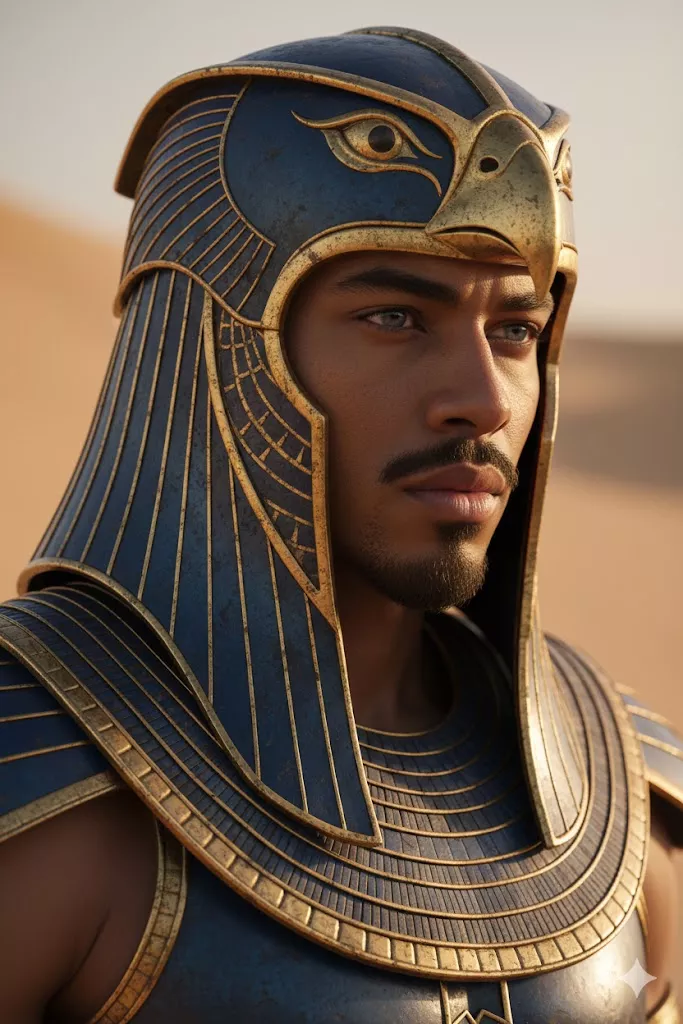
Quick Pro Tip
Ask yourself if a human painter could visualize the scene before typing it out.

8. Not Testing Different Prompt Variations

Why it is a mistake: Sticking stubbornly to one phrasing variant prevents you from discovering how slight wording shifts improve quality.

Practical Advice: Perform careful prompt refinement by swapping out verbs and nouns one at a time.

Prompt TypeExample
Bad promptUsing the exact same stale sentence structure for every single project.
Improved promptTesting synonym variations like swapping "bright sun" for "harsh midday glare" to observe the difference.

Common beginner mistake: Refusing to tweak vocabulary when an output feels slightly off.

Quick Pro Tip
Save three variations of your favorite descriptions to see which one yields the cleanest details.

Avoiding these common mistakes will significantly improve your results, but great AI images also depend on a few advanced techniques. In the next section, you'll discover practical tips that experienced creators use to produce more realistic, cinematic, and professional-looking images.

7. Pro Tips for Better AI Images

Moving from an average beginner to a skilled creator requires adopting insider habits that elevate your work. Applying smart ai image tips transforms random experiments into consistent masterpieces. Experienced creators rely on structured techniques to boost overall ai image quality and craft stunningly realistic ai images. Mastering these habits ensures every generation comes closer to your exact vision.

1. Use Reference Images for Inspiration

Why it matters: Visual references give you a clear baseline for textures, mood, and composition before you write a single word.

Practical Advice: Look at professional art or real photography to understand how light and shadows behave in specific settings.

Real-World Example: Reviewing vintage magazine covers before writing text for a retro portrait.

Common Mistake: Trying to invent a complex scene entirely from your head without any visual reference.

Pro Tip
Collect mood boards to quickly identify the exact descriptors you need.

2. Generate Multiple Variations

Why it matters: AI models introduce a degree of randomness, meaning the first result is rarely the absolute best option.

Practical Advice: Always run at least four variations of your base text to compare different layouts and expressions.

Real-World Example: Running a batch of four landscape options to pick the one with the best cloud formations.
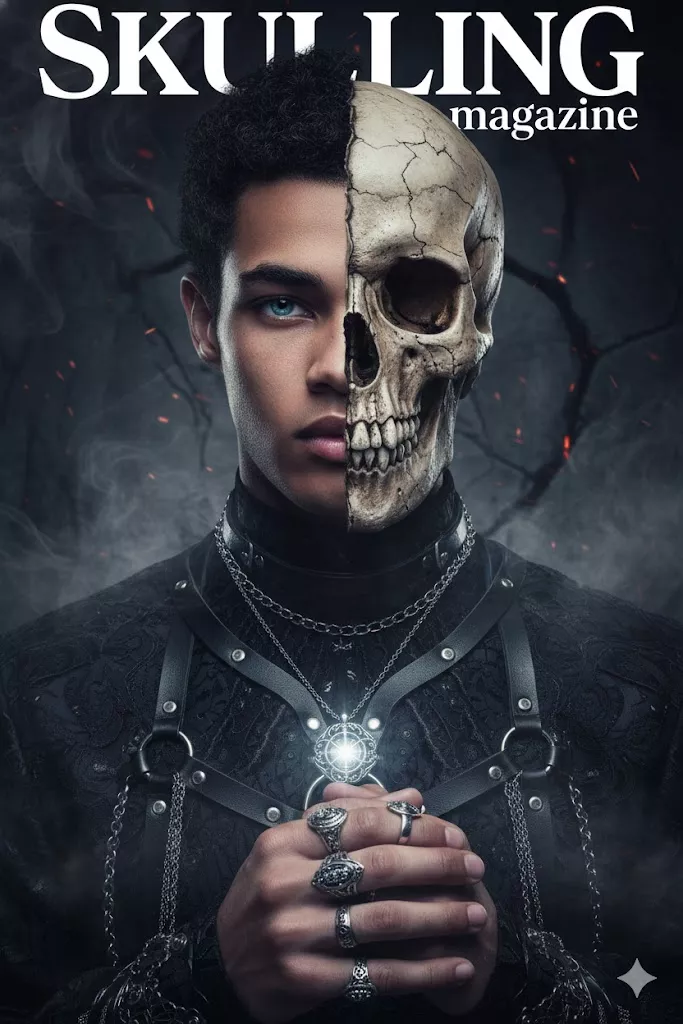
Common Mistake: Accepting a mediocre first generation and assuming the tool cannot do better.

Pro Tip
Use batch generation features to save time when exploring new concepts.

3. Experiment with Different Camera Angles

Why it matters: Shifting your perspective alters the emotional impact and drama of the entire output.

Practical Advice: Swap standard eye-level views for dramatic low angles or bird-eye perspectives.

Real-World Example: Changing a character shot from eye-level to a low camera angle to make the subject look heroic.

Common Mistake: Leaving framing decisions completely blank for every single project.

Pro Tip
Match your camera angle to the intended mood of your story.

4. Control Lighting and Color Grading

Why it matters: Proper lighting and professional color grading separate amateur digital art from high-end cinematic renders.

Practical Advice: Specify exact light sources like neon glows, soft window light, or golden hour rays alongside your preferred palette.

Real-World Example: Adding "teal and orange color grading with dramatic side lighting" to a cyberpunk street scene.

Common Mistake: Relying on default ambient lighting which often results in flat shadows.

Pro Tip
Study professional film stills to discover effective lighting vocabulary.

5. Keep Prompts Clear and Focused

Why it matters: Overly cluttered sentences confuse the rendering engine and dilute your main subject.

Practical Advice: Focus on concise, high-impact descriptors rather than writing long paragraphs of fluff.

Real-World Example: Trimming a cluttered fifty-word sentence down to twenty precise descriptive tokens.

Common Mistake: Stacking conflicting adjectives that pull the software in opposite directions.
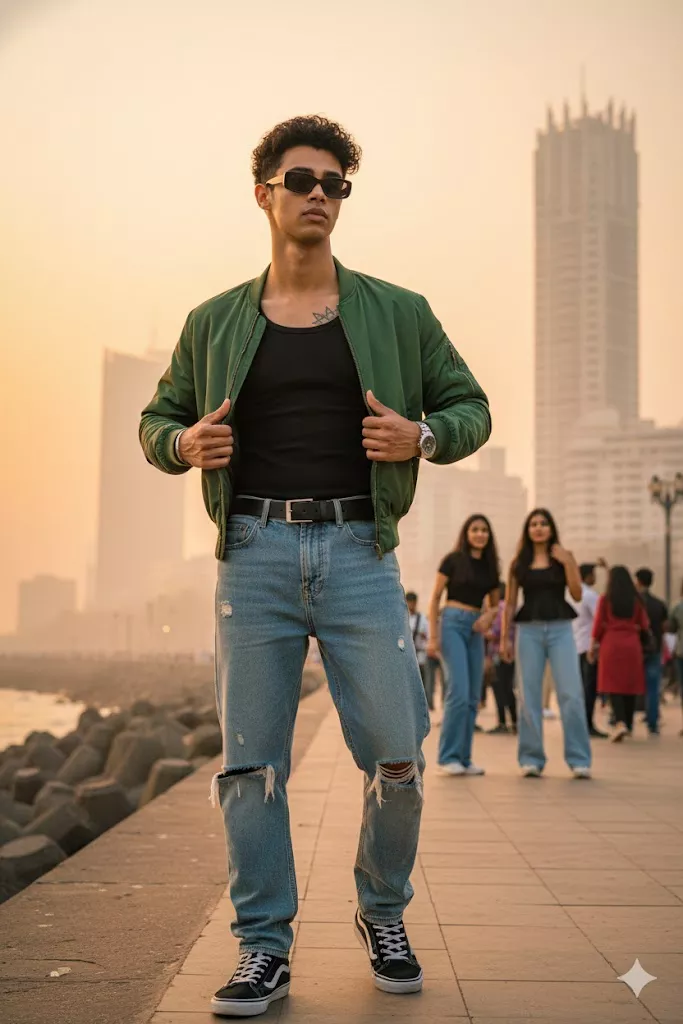
Pro Tip
Prioritize clarity over length during prompt optimization.

6. Save and Organize Your Best Prompts

Why it matters: Building a personal prompt library saves hours of trial and error when you want to replicate successful styles.

Practical Advice: Keep a dedicated notes document or spreadsheet categorized by genre, mood, and model.

Real-World Example: Saving a tested formula for photorealistic textures to use in future projects.

Common Mistake: Losing track of successful text formulas in endless chat history logs.

Pro Tip
Tag your favorite entries with keywords for instant searching.

7. Learn from Every Generation

Why it matters: Analyzing why an image failed teaches you how the model interprets specific vocabulary.

Practical Advice: Keep a log of unexpected glitches and note which words caused them so you can avoid them next time.

Real-World Example: Noticing that the word "giant" distorted the composition, and replacing it with "towering."

Common Mistake: Getting angry at the generator instead of diagnosing the linguistic cause.

Pro Tip
Treat every failed render as a helpful lesson in machine logic.

8. Stay Updated with New AI Features

Why it matters: Generative technology evolves rapidly, and new tools frequently introduce better ways to maintain image consistency.

Practical Advice: Check update logs for your preferred platforms to learn about newly released rendering parameters.

Real-World Example: Adopting new style-reference parameters as soon as they roll out to stabilize character output.

Common Mistake: Using outdated phrasing habits long after platforms have upgraded their underlying engines.

Pro Tip
Test new features on old text formulas to see how performance improves.

Professional AI Creator Workflow

To keep your creative process smooth and repeatable, follow this step-by-step professional workflow:

Idea → Research → Write Prompt → Generate Images → Compare Variations → Refine Prompt → Save Best Version → Organize Prompt Library → Publish

  • ✔ Subject
  • ✔ Lighting
  • ✔ Camera Angle
  • ✔ Background
  • ✔ Style
  • ✔ Composition
  • ✔ Negative Prompt
  • ✔ Generate Multiple Versions
  • ✔ Save Best Prompt

By following these habits consistently, you'll spend less time fixing mistakes and more time creating high-quality AI images. Before we finish, let's answer some of the most common questions beginners ask about AI prompts in the FAQ section.

8. Frequently Asked Questions

1. What are AI prompts?

AI prompts are written instructions that you provide to a software tool to guide its output. In digital art creation, these textual descriptions tell the system what subjects, colors, and styles to render into a final graphic. Think of them as giving clear directions to a virtual assistant who needs your specific guidance to visualize an idea accurately.

2. How do AI prompts work?

AI prompts work by translating human language into numerical values that a neural network can process. When you submit text, the system splits your sentences into smaller fragments through tokenization and matches those tokens with patterns learned during its training.

3. Which AI model is best for image prompts?

The best model depends heavily on your specific creative goals and personal preferences. Platforms like Gemini and ChatGPT excel at conversational planning and expanding simple ideas, while specialized engines like Flux and Midjourney are renowned for rendering exceptional photorealistic textures.

4. Why are my AI images not matching my prompt?

Images often fail to match text descriptions due to ambiguous phrasing, conflicting adjectives, or leaving out crucial foundational elements like lighting and style. Fixing this requires swapping out generic terms for precise descriptions.
5. How can I write better AI prompts?

Writing better instructions involves structuring your text logically by starting with a clear subject, followed by visual details, lighting specifications, and artistic medium. Testing single-variable adjustments helps improve your results significantly.

6. What are negative prompts?

Negative prompts are secondary instructions used to tell an AI generator what elements you want to exclude from the final visual output, helping banish common flaws such as blurry edges or distorted anatomy.

7. Can I use the same prompt in Gemini, ChatGPT, Flux, and Midjourney?

You can use the exact same text across different platforms, but you will often get noticeably different visual results because each software runs on a unique internal training architecture.

8. Do longer AI prompts always produce better images?

Longer text inputs do not automatically guarantee superior pictures; overly bloated sentences often confuse the rendering engine. Clarity and conciseness are the real keys to success.

9. How many times should I refine a prompt?

Most creators iterate three to five times per project. Refinement should continue as long as you are seeing steady progress toward your vision.

10. Where can I find ready-to-use AI prompts?

You can discover ready-to-use formulas across dedicated creator communities, digital art forums, and online prompt libraries to study how experienced artists structure their vocabulary.

Subscription Form

AI Camera Angle Prompts

AI Camera Angle Prompts

Artificial Intelligence has transformed the way we create visual content, allowing anyone to generate breathtaking images and videos from a simple text prompt. However, many creators struggle with getting the exact composition they envision, often resulting in flat or static generations. This is where AI camera angle prompts come into play. By integrating specific cinematography and photography terminology into your prompts, you tell the AI exactly where to position its virtual lens. Controlling the camera angle shifts your role from a passive prompter to an active visual director. Specifying the camera perspective is crucial because it dictates how a viewer interacts with the scene. Just like in real-world filmmaking, a change in angle can completely alter the emotional weight, scale, and narrative context of an image. Whether you are using Midjourney, Stable Diffusion, or AI video generators like Runway, mastering camera angle prompts ensures consistency, eliminates random framing, and elevates your generations from generic digital art to professional-grade cinematic visuals. By guiding the AI’s spatial awareness, you can capture intricate details, grand landscapes, or intense emotional moments with precise accuracy.
Best AI Camera Angle Prompts

The best AI camera angle prompts are rooted in classic cinematography techniques. To achieve the highest quality results, you must use clear, descriptive terms that the AI's training model recognizes. Instead of simply describing the subject, you should explicitly state the framing and perspective at the beginning or end of your prompt. Terms like "low-angle shot," "high-angle view," or "cinematic eye-level framing" act as direct instructions for the AI to arrange the layout of the generated image. Using these specific prompts helps establish the visual hierarchy of your scene, controlling what catches the viewer's eye first. For instance, combining an angle prompt with lighting descriptions, such as "low-angle shot, golden hour lighting," creates a highly structured environment for the AI to render. These prompts are commonly used in digital marketing, concept art creation, storyboarding, and filmmaking prep. By mastering a core toolkit of diverse camera angles, you gain complete control over the depth, focus, and overall mood of your AI-generated portfolio.

Prompt
A cinematic, three-panel collage capturing an autumn portrait of a [subject] lying on a bed of dry fallen leaves. The scene is set in a peaceful [location] surrounded by [environment details]. Natural soft lighting filters through the trees, creating a moody atmosphere with muted earthy tones. The image features a shallow depth of field, realistic textures, and a cinematic color grade.The collage consists of: 1. An extreme close-up highlighting the subject's face, eyes, and natural skin texture. 2. A close-up portrait with a softly blurred hand in the foreground for artistic depth. 3. A top-down full-body shot showcasing the subject naturally resting among the fallen leaves.The subject has [hair color/style], [facial features], realistic skin texture, and is wearing [top], [bottom], [footwear], and [accessories/jewelry]. The expression is [expression], conveying a [emotion] mood.The composition is highly detailed with subtle film grain, high dynamic range (HDR), realistic lighting, natural shadows, cinematic depth, premium color grading, ultra-photorealistic quality, crisp focus on the subject, soft background bokeh, editorial fashion photography style, magazine-quality composition, 8K RAW photo, ultra-detailed, professional DSLR photography, masterpiece, award-winning portrait, extremely realistic.
Prompt
A cinematic reference sheet showcasing the same [subject] in multiple professional camera framings and angles against a [background]. The subject has [eye color], realistic skin texture, [expression], [hair color/style], and is wearing [outfit] with [headwear/accessories] naturally styled.The reference sheet includes nine distinct professional camera compositions:1. Extreme Long Shot (ELS) 2. Long Shot (LS) 3. Medium Long Shot (MLS) 4. Medium Shot (MS) 5. Medium Close-Up (MCU) 6. Close-Up (CU) 7. Extreme Close-Up (ECU) focusing on the eyes 8. Low Angle Shot 9. High Angle ShotEach frame features the same person with consistent facial features, hairstyle, body proportions, clothing, accessories, lighting, and color palette. The subject maintains the same identity across all nine images.Style: Soft diffused natural lighting, centered composition, documentary photography style, photorealistic, realistic facial details, natural skin texture with visible pores, muted earthy tones (or [preferred color palette]), editorial portrait photography, shallow depth of field where appropriate, crisp focus, cinematic color grading, subtle film grain, high dynamic range (HDR), ultra-realistic, masterpiece, professional DSLR photography, RAW 8K, magazine-quality, highly detailed, consistent character design.
Prompt
A professional camera angle reference sheet featuring the same [subject] in a [location/environment], demonstrating twenty distinct cinematic camera angles and framing techniques while maintaining identical facial features, body proportions, hairstyle, clothing, accessories, lighting, expression, and background throughout every frame.The subject has [hair color/style], [facial features], [skin tone], [expression], and is wearing [outfit], [footwear], and [accessories]. Every image represents the exact same person with consistent identity across all compositions.The reference sheet includes the following professional camera angles and framing techniques:1. Bird's Eye View 2. High Angle 3. High 3/4 Angle 4. Eye Level 5. Hip Level 6. Low 3/4 Angle 7. Low Angle 8. Ground Level 9. Worm's Eye View 10. Dutch Angle 11. Profile Side View 12. 3/4 Profile 13. Over the Shoulder 14. Overhead View 15. Wide Shot 16. Long Shot 17. Medium Long Shot (MLS) 18. Medium Shot (MS) 19. Medium Close-Up (MCU) 20. Close-Up (CU)Every frame should preserve: • Identical person and facial identity • Consistent hairstyle and clothing • Same accessories and colors • Same environment and background • Matching lighting and shadows • Consistent body proportions and pose style • Uniform color grading and image qualityStyle: Professional cinematic photography, editorial portrait photography, documentary realism, soft natural or studio lighting, realistic skin texture with visible pores, subtle film grain, shallow depth of field where appropriate, crisp focus, HDR, natural colors (or [preferred color palette]), premium composition, magazine-quality photography, ultra-photorealistic, highly detailed, professional DSLR camera, RAW 8K, masterpiece, award-winning photography.
Prompt
Create a comprehensive cinematic photography reference sheet featuring the same **[subject]** in **[outfit]** within **[location/environment]**, demonstrating a wide variety of professional camera compositions, cinematic techniques, lighting styles, framing methods, storytelling shots, and visual aesthetics while maintaining identical facial features, body proportions, hairstyle, clothing, accessories, expression, lighting continuity, environment, and overall identity across every frame.The reference sheet should include a diverse collection of professional photography techniques and cinematic compositions, including but not limited to:* Multi-camera switching * Symmetrical framing * Asymmetrical framing * Rule of Thirds * Golden Ratio composition * Negative space composition * Centered composition * Lens reflection * Mirror reflection * Window reflection * Water reflection * Foreground framing * Foreground prominence * Obscured framing * Frame within frame * Natural environmental portrait * Contextual portrait * Environmental storytelling * Perspective shot * Forced perspective * Multi-angle views * Eye-level shot * High-angle shot * Low-angle shot * Bird's-eye view * Worm's-eye view * Overhead shot * Drone perspective * Aerial composition * Dutch angle * Profile view * Three-quarter profile * Over-the-shoulder shot * Long shot * Full body shot * Medium Long Shot (MLS) * Medium Shot (MS) * Medium Close-Up (MCU) * Close-Up (CU) * Extreme Close-Up (ECU) * Detailed eye close-up * Hands detail * Texture detail * Exquisite facial detail * Wide-angle composition * Ultra-wide perspective * Telephoto perspective * Panoramic composition * Landscape orientation * Portrait orientation * Cinematic storytelling composition * Documentary style * Editorial photography * Lifestyle photography * Fashion editorial * Fine art portrait * Abstract composition * Minimalist composition * Irregular composition * Spatial depth * Layered composition * Leading lines * Vanishing point * Silhouette shot * Rim lighting * Backlighting * Dramatic contrast lighting * Soft natural lighting * Golden hour lighting * Blue hour lighting * Window lighting * Volumetric lighting * Penetrating light rays * Artistic light and shadow * Focus contrast * Selective focus * Rack focus * Shallow depth of field * Deep depth of field * Motion blur * Fast action shot * Slow-motion style * Handheld documentary style * Dynamic action shot * Static cinematic portrait * Emotional storytelling shotEvery frame must depict the exact same person with perfectly consistent identity, hairstyle, facial features, clothing, accessories, body proportions, expression, skin tone, and environment. Only the camera angle, composition, framing, lighting style, lens choice, and storytelling technique should vary.Style: Professional cinematic photography, Hollywood film still, premium editorial portrait photography, documentary realism, fashion magazine quality, realistic anatomy, realistic hands, realistic eyes, natural skin texture with visible pores, accurate clothing folds, cinematic color grading, HDR, subtle film grain, DSLR photography, mirrorless full-frame camera, premium optics, crisp focus, ultra-photorealistic, highly detailed, natural colors (or **[preferred color palette]**), award-winning photography, RAW 8K, masterpiece.
Prompt
A cinematic nighttime kitchen storytelling sequence featuring the same [subject] maintaining identical facial features, [gender], [age], [hairstyle], [hair color], [eye color], [skin tone], body proportions, physique, facial hair (if applicable), modern casual [outfit], and [accessories] consistently across every frame. The setting is a contemporary modular home kitchen with premium wooden cabinetry, clean stone countertops, modern chrome faucet and sink, gas or induction stove, realistic cookware, utensils, countertop appliances, colorful glass bottles, window blinds, subtle decorative elements, polished surfaces, and physically accurate reflections. The scene is illuminated by a cinematic blend of cool blue ambient light surrounding the sink area and warm tungsten under-cabinet practical lighting, creating a rich teal and orange cinematic color palette with soft falloff, realistic shadow transitions, volumetric atmosphere, and high dynamic range. The reference sheet contains three sequential storytelling compositions: Frame 1: a wide establishing shot from behind showing the subject naturally standing at the kitchen counter while preparing food, emphasizing environmental storytelling, balanced composition, and spatial depth. Frame 2: an extreme cinematic close-up of the subject's anatomically accurate hands filling a clear glass with naturally flowing water from a modern chrome faucet, showcasing realistic water physics, reflections, refractions, droplets, crisp texture, and shallow depth of field. Frame 3: a medium side-profile composition of the same subject cooking at the stove with natural posture, believable cooking actions, subtle steam, realistic utensil interaction, expressive body language, and cinematic focus on the preparation process. Maintain perfect character consistency, realistic anatomy, natural skin texture with visible pores, accurate hands and fingers, detailed eyes where visible, natural hair strands, believable clothing folds, physically accurate materials, realistic reflections, authentic lighting interaction, premium editorial photography, cinematic storytelling, documentary realism, film still quality, shallow depth of field where appropriate, crisp focus, subtle film grain, HDR, photorealistic, ultra realistic, highly detailed, masterpiece, RAW 8K, production-quality imagery optimized for ChatGPT Images, GPT-Image, Midjourney, Flux, Imagen, Ideogram, SDXL, and other modern AI image generation models.
Prompt
A cinematic emotional portrait reference sequence featuring the same [subject] with identical facial features, [gender], [age], [hairstyle], [hair color], [eye color], [skin tone], realistic body proportions, physique, facial hair, [outfit], and [accessories], maintaining perfect character consistency across every frame with no changes in identity, hairstyle, clothing, body proportions, facial structure, or color grading. The scene takes place inside a contemporary modern apartment with refined interior design, subtle furniture, realistic textures, large floor-to-ceiling windows overlooking an urban skyline, soft decorative lighting, and premium cinematic production design. The environment is illuminated by a sophisticated blend of moody teal-blue ambient light, warm practical interior lighting, soft candlelight, subtle neon accents, realistic window light, volumetric atmosphere, and natural light falloff, creating rich teal and orange cinematic color grading with realistic reflections, deep contrast, and emotional visual storytelling. The reference sheet contains three sequential cinematic compositions: Frame 1: an intimate extreme close-up captured from a low perspective, with the subject naturally resting their head on one hand while making direct eye contact with the camera through a softly blurred foreground arm, emphasizing emotional intimacy, expressive eyes, realistic skin pores, natural facial texture, and shallow depth of field. Frame 2: a low-angle medium close-up of the same subject with relaxed posture and authentic facial expression, softly illuminated by diffused ambient light and subtle neon backlighting, featuring creamy cinematic bokeh, selective focus, natural hair detail, realistic skin texture, accurate anatomy, believable clothing folds, and premium portrait composition. Frame 3: a rear three-quarter composition showing the same subject quietly looking through a large window toward an urban cityscape at dusk, with warm candlelight illuminating the interior, realistic reflections on the glass, atmospheric depth, subtle environmental storytelling, balanced framing, and a contemplative cinematic mood. Maintain realistic anatomy, anatomically correct hands and fingers where visible, highly detailed expressive eyes, natural hair strands, physically accurate lighting interaction, realistic materials, authentic reflections, premium editorial photography, cinematic storytelling, documentary realism, shallow depth of field where appropriate, crisp focus, subtle film grain, HDR, photorealistic, ultra realistic, highly detailed, masterpiece, RAW 8K, production-quality imagery optimized for ChatGPT Images, GPT-Image, Midjourney, Flux, Imagen, Ideogram, SDXL, and other modern AI image generation models.

Low Angle AI Camera Prompts

A low-angle prompt instructs the AI to place the virtual camera below the subject's eye level, looking upward. This specific perspective is one of the most powerful tools in visual storytelling. In traditional filmmaking and photography, looking up at a subject instantly gives them an air of power, authority, and dominance. When applied to AI generation, this technique works exceptionally well for creating heroic characters, imposing villains, or monolithic architectural structures that tower over the viewer. Beyond making subjects look powerful, low-angle prompts inject a sense of dramatic composition and cinematic depth into your images. Because the camera is low, the foreground elements often lead the eye upward, creating a strong sense of vertical scale. The background, whether it is a sprawling sci-fi sky or a dramatic mountain range, becomes more expansive and immersive. Use prompts like "low-angle shot," "worm's-eye view," or "ground-level cinematic shot" when you want to make a character look larger than life or emphasize the sheer scale of an environment.

Prompt
A cinematic fashion editorial portrait featuring the same [subject] with identical facial features, [gender], [age], [hairstyle], [hair color], [eye color], [skin tone], realistic body proportions, physique, facial characteristics, [outfit], [accessories], and styling maintained consistently throughout the scene. The subject is confidently playing chess in a contemporary outdoor setting with a clean modern aesthetic, surrounded by minimal architectural elements, a bold colored fence, open sky, and a visually uncluttered environment that emphasizes the subject and the game. The composition uses an exaggerated forced perspective with a large anatomically accurate hand dominating the foreground while naturally moving a glossy chess piece toward the camera, creating dramatic depth and immersive visual storytelling. A premium chessboard with polished chess pieces fills the foreground, featuring realistic reflections, detailed textures, and precise perspective alignment. The subject maintains direct eye contact with the camera, displaying a calm, confident, and naturally expressive facial expression with authentic posture and believable interaction with the chessboard. Captured from a low-angle perspective to enhance scale and cinematic impact, with strong leading lines and balanced editorial composition. Illuminated by bright natural midday sunlight producing realistic hard and soft shadow transitions, physically accurate highlights, subtle rim lighting, and vibrant environmental illumination. Rich color contrast, premium cinematic color grading, realistic reflections, natural skin texture with visible pores, detailed eyes, natural hair strands with realistic movement, anatomically correct hands and fingers, believable fabric texture and clothing folds, shallow depth of field with smooth background separation where appropriate, crisp focus on the subject and foreground chess piece, high dynamic range, subtle film grain, premium fashion campaign photography, luxury editorial magazine aesthetic, cinematic storytelling, photorealistic, ultra realistic, highly detailed, masterpiece, RAW 8K, production-quality imagery optimized for ChatGPT Images, GPT-Image, Midjourney, Flux, Imagen, Ideogram, SDXL, and other modern AI image generation models.
Prompt
A vibrant street-style fashion editorial portrait featuring the same [subject] with identical facial features, [gender], [age], [hairstyle], [hair color], [eye color], [skin tone], realistic body proportions, physique, facial characteristics, [outfit], [footwear], [accessories], and styling maintained consistently throughout the image. The subject stands confidently in a modern urban environment on a bold, brightly colored graffiti-covered surface, smiling naturally while making direct eye contact with the camera and holding an oversized social media-style photo frame above their head, creating a playful forced-perspective illusion. The interface frame is inspired by a modern social media post layout with clean profile elements, reaction icons, engagement indicators, and minimal UI details, designed as a generic social media frame without platform-specific branding. The composition uses an exaggerated ultra wide-angle fisheye lens from a low camera position, placing the subject perfectly centered while emphasizing dramatic perspective distortion, immersive depth, and dynamic visual storytelling. The environment features vibrant street art, contemporary urban textures, realistic pavement detail, architectural elements, and a clean uncluttered background that enhances the subject. Bright natural daylight produces realistic shadows, physically accurate highlights, balanced contrast, and vibrant environmental illumination with rich, saturated cinematic color grading. Maintain realistic anatomy, anatomically correct hands and fingers securely holding the frame, natural facial expression, realistic skin texture with visible pores, crisp facial details, detailed eyes where visible, natural hair strands, believable fabric texture and clothing folds, realistic reflections on sunglasses and accessories, physically accurate materials, shallow depth of field where appropriate while preserving the wide-angle perspective, high dynamic range, subtle film grain, premium editorial street photography, contemporary fashion campaign aesthetic, cinematic storytelling, photorealistic, ultra realistic, highly detailed, masterpiece, RAW 8K, production-quality imagery optimized for ChatGPT Images, GPT-Image, Midjourney, Flux, Imagen, Ideogram, SDXL, and other modern AI image generation models.
Prompt
An ultra realistic editorial fashion portrait featuring the same [subject] with identical facial features, [gender], [age], [hairstyle], [hair color], [eye color], [skin tone], realistic body proportions, physique, facial characteristics, [outfit], [accessories], and styling maintained consistently throughout the image. The subject leans extremely close toward the camera with a wide, genuine, natural smile while making direct eye contact, creating an energetic and immersive connection with the viewer. Captured using an ultra wide 8mm fisheye lens from a very low camera angle, producing dramatic yet optically believable perspective distortion where the face appears naturally enlarged near the lens while maintaining realistic anatomy, accurate facial proportions, and sharp photorealistic skin texture. The background features a dense evergreen forest with tall pine trees naturally curving around the edges of the frame due to the fisheye perspective, beneath a vivid blue sky with bright midday sunlight streaming through the branches, producing authentic volumetric light rays, strong cinematic lens flare, realistic dappled shadows, vibrant green foliage, and physically accurate environmental lighting. The composition emphasizes immersive perspective, dynamic framing, and premium editorial storytelling with the subject occupying the dominant foreground while the forest creates dramatic spatial depth. Maintain realistic skin texture with visible pores, highly detailed eyes where visible, natural hair strands, anatomically correct hands and fingers if present, realistic reflections on eyewear, believable fabric texture and clothing folds, physically accurate materials, crisp focus on the subject, high dynamic range, subtle film grain, rich natural colors, premium editorial magazine photography, contemporary outdoor fashion campaign aesthetic, cinematic storytelling, photorealistic, ultra realistic, highly detailed, masterpiece, RAW 8K, production-quality imagery optimized for ChatGPT Images, GPT-Image, Midjourney, Flux, Imagen, Ideogram, SDXL, and other modern AI image generation models.
Prompt
An ultra realistic creative point-of-view editorial portrait featuring the same [subject] with identical facial features, [gender], [age], [hairstyle], [hair color], [eye color], [skin tone], realistic body proportions, physique, facial characteristics, [outfit], [accessories], and styling maintained consistently throughout the image. The scene is viewed from inside a transparent drinking glass, with the camera positioned at the bottom looking upward through the circular opening toward the subject naturally drinking through a paper straw. The straw extends directly toward the camera, creating dramatic depth, strong leading lines, and an immersive first-person perspective. The transparent glass walls naturally frame the subject's face while producing physically accurate optical distortion, realistic refraction, reflection, magnification, and perspective shifts caused by the curved glass and liquid. The beverage contains realistic dark carbonated liquid, crystal-clear ice cubes with internal transparency, authentic bubbles, condensation droplets, moisture, subtle splashes, and believable liquid physics with highly detailed surface tension and light interaction. Bright soft natural daylight illuminates the scene, creating realistic highlights, soft shadows, balanced contrast, and physically accurate reflections across the glass, liquid, ice, and straw. The composition is perfectly centered with premium macro perspective, immersive storytelling, and natural depth separation, emphasizing the subject through the circular opening while preserving realistic proportions and visual clarity. Maintain realistic anatomy, photorealistic skin texture with visible pores, highly detailed expressive eyes, natural hair strands, anatomically correct lips interacting naturally with the straw, accurate hands and fingers if visible, believable fabric texture and clothing folds, crisp focus on the subject with shallow depth of field where appropriate, authentic optical characteristics, high dynamic range, subtle film grain, premium editorial food and lifestyle photography, cinematic realism, luxury commercial beverage campaign aesthetic, photorealistic, ultra realistic, highly detailed, masterpiece, RAW 8K, production-quality imagery optimized for ChatGPT Images, GPT-Image, Midjourney, Flux, Imagen, Ideogram, SDXL, and other modern AI image generation models.
Prompt
A dynamic commercial sports advertising image featuring the same [subject] with identical facial features, [gender], [age], [hairstyle], [hair color], [eye color], [skin tone], realistic athletic physique, body proportions, facial characteristics, [sportswear], [footwear], [accessories], and styling maintained consistently throughout the image. The subject is captured in an authentic high-energy athletic moment on a professional outdoor hard tennis court, naturally lunging forward while extending an oversized insulated stainless steel water bottle directly toward the camera using dramatic forced perspective, making the bottle appear significantly larger than the athlete while preserving physically accurate scale relationships and believable perspective. The subject simultaneously grips a professional tennis racket in the opposite hand with a tennis ball suspended naturally in motion behind them, conveying speed, timing, and competitive intensity through realistic body mechanics, dynamic posture, and accurate athletic movement. The bottle serves as the hero product with premium matte finish, realistic branding area if required, authentic metallic texture, condensation, fine water droplets, subtle reflections, and physically accurate material rendering. Captured from a very low camera position using an ultra wide-angle lens, emphasizing immersive depth, dramatic foreground dominance, powerful leading lines, and bold commercial storytelling while maintaining realistic optical perspective. The environment features a professional blue tennis court, clean court markings, realistic net, vivid blue sky, subtle stadium or park surroundings, and bright natural midday sunlight producing crisp shadows, physically accurate highlights, balanced contrast, realistic sweat on the athlete, volumetric atmosphere, and vibrant sports color grading. Maintain realistic anatomy, anatomically correct hands securely gripping both the bottle and racket, natural muscle definition, detailed eyes where visible, realistic skin texture with visible pores, natural hair movement, believable sportswear fabric tension and folds, accurate footwear interaction with the court surface, authentic motion blur only where appropriate, shallow depth of field while preserving product sharpness, crisp focus, HDR, subtle film grain, premium editorial sports photography, luxury commercial product campaign aesthetic, cinematic storytelling, photorealistic, ultra realistic, highly detailed, masterpiece, RAW 8K, production-quality imagery optimized for ChatGPT Images, GPT-Image, Midjourney, Flux, Imagen, Ideogram, SDXL, and other modern AI image generation models.
Prompt
A hyper realistic commercial beverage advertising image captured from an immersive first-person point of view inside an open ice cooler, featuring the same [subject] with identical facial features, [gender], [age], [hairstyle], [hair color], [eye color], [skin tone], realistic body proportions, physique, facial characteristics, [outfit], [accessories], and styling maintained consistently throughout the image. The camera is positioned at the bottom of the cooler looking upward through the circular opening as the subject naturally smiles while reaching into the cooler to grab an ice-cold glass beverage bottle. One anatomically accurate hand extends directly toward the camera using dramatic forced perspective, making the bottle appear significantly larger than the subject while preserving physically accurate perspective and believable scale. The foreground is densely filled with crystal-clear ice cubes and multiple premium chilled glass bottles featuring realistic transparency, authentic glass thickness, natural liquid color, condensation, water droplets, frost, moisture, subtle melting ice, bubbles where appropriate, and physically accurate reflections, refractions, and caustics. The cooler interior naturally frames the composition, guiding the viewer's eye toward the subject against a bright blue sky with soft white clouds and subtle tropical vegetation visible beyond the opening, creating strong environmental depth and immersive storytelling. Captured using an ultra wide-angle lens with realistic optical characteristics, emphasizing dramatic depth, foreground dominance, leading lines, and premium commercial composition. Bright natural daylight produces physically accurate highlights, crisp shadows, balanced contrast, realistic subsurface light transmission through the ice, authentic reflections across the glass surfaces, and vibrant cinematic color grading. Maintain realistic anatomy, anatomically correct hands and fingers naturally gripping the bottle, photorealistic skin texture with visible pores, detailed expressive eyes, natural smile, realistic hair strands, believable fabric texture and clothing folds, crisp focus on the hero bottle and reaching hand with shallow depth of field where appropriate, HDR, subtle film grain, premium editorial product photography, luxury commercial beverage campaign aesthetic, cinematic realism, photorealistic
Prompt
An ultra realistic cinematic outdoor fashion editorial featuring the same [subject] with identical facial features, [gender], [age], [hairstyle], [hair color], [eye color], [skin tone], realistic body proportions, physique, facial characteristics, [outfit], [footwear], [accessories], and styling maintained consistently throughout the image. Captured from an immersive worm's-eye point of view with the camera positioned on the ground as the subject naturally appears to walk directly over the lens through a vibrant wildflower meadow. One foot extends prominently toward the camera using dramatic forced perspective, creating a powerful sense of movement, depth, and spatial immersion while preserving realistic anatomy, accurate footwear proportions, and believable perspective. Photographed using an ultra wide 8mm fisheye lens, producing authentic optical distortion with the landscape and surrounding vegetation naturally curving around the edges of the frame, forming a circular floral composition that guides the viewer's attention toward the subject. The foreground is densely filled with colorful wildflowers in complementary seasonal hues, featuring realistic petals, stems, pollen, natural variation, subtle motion, and soft selective focus that creates layered depth without obscuring the subject. The background reveals a brilliant blue sky with soft natural clouds, expansive open landscape, and warm golden daylight producing physically accurate highlights, realistic shadow transitions, volumetric atmosphere, subtle lens flare, and vibrant natural color grading. The subject maintains confident natural body language and authentic forward motion with believable fabric movement, realistic clothing folds, and environmental interaction. Maintain photorealistic skin texture with visible pores, detailed eyes where visible, natural hair strands with realistic movement, anatomically correct hands and fingers if visible, accurate footwear detail, physically accurate lighting interaction, realistic material rendering, crisp focus on the subject with shallow depth of field surrounding the foreground flowers where appropriate, HDR, subtle film grain, premium editorial fashion photography, luxury outdoor campaign aesthetic, cinematic storytelling, photorealistic, ultra realistic, highly detailed, masterpiece, RAW 8K, production-quality imagery optimized for ChatGPT Images, GPT-Image, Midjourney, Flux, Imagen, Ideogram, SDXL, and other modern AI image generation models.

High Angle AI Camera Prompts

High-angle prompts do the exact opposite of low angles by positioning the virtual camera above the subject, looking downward. This perspective alters the storytelling dynamics of your scene, often making the subject appear smaller, vulnerable, or swallowed up by their surroundings. It is a fantastic tool for conveying a sense of isolation, contemplation, or helplessness within a narrative context. From a composition standpoint, high-angle prompts are highly effective for organizing complex scenes. Looking down on a subject flattens the perspective slightly, allowing the AI to render the ground, surrounding textures, and spatial relationships between multiple objects with extreme clarity. This makes it ideal for crowded city streets, deep forest paths, or characters navigating intricate mazes. If you want to capture an expansive overview of a scene while maintaining a clear focal point, using prompts like "high-angle perspective," "downward cinematic angle," or "high-vantage point shot" will guide the AI to structure the composition beautifully.

Prompt
A luxury fashion editorial campaign featuring the same person from the reference image, preserving identical facial features, hairstyle, skin tone, body proportions, expression style, outfit details, and overall identity with perfect character consistency. The subject is confidently seated on a pair of gigantic tortoiseshell sunglasses emerging from a vast sea of soft rolling clouds, using surreal oversized object composition while maintaining natural posture and believable interaction with the eyewear. The sunglasses serve as the sculptural hero object with premium tortoiseshell texture, polished frame, crystal-clear lenses, realistic reflections, subtle lens tint, and luxury craftsmanship. The environment consists of endless soft clouds, drifting volumetric mist, and a dramatic sunset sky filled with warm golden, blush pink, lavender, and soft blue tones, creating an elegant, dreamlike atmosphere. Captured from a cinematic low-angle perspective with a full-frame camera and a 35mm lens, emphasizing scale, negative space, and refined composition. Soft golden-hour lighting, gentle rim light, atmospheric haze, and realistic light scattering illuminate the subject and product naturally. Photorealistic skin texture, realistic eyes, natural hair detail, accurate anatomy, believable fabric folds, premium tailoring, crisp focus, shallow depth of field, HDR, subtle film grain, luxury commercial fashion photography, high-end eyewear advertising, cinematic realism, ultra realistic, highly detailed.
Prompt
A futuristic luxury fashion editorial portrait featuring the same person from the reference image, preserving identical facial features, hairstyle, skin tone, body proportions, expression, outfit details, and overall identity with perfect character consistency. The subject confidently stands inside a clean minimalist white architectural space, wearing a tailored black suit, crisp white shirt, and elegant heels. One hand reaches dramatically toward the camera, creating a striking forced perspective with the foreground hand appearing naturally larger due to an ultra wide-angle lens. A pastel pink geometric cube hovers just above the open palm, while multiple matching cubes float weightlessly at varying distances around the subject, creating depth, balance, and a refined surreal atmosphere without obscuring the subject. Captured from a high-angle viewpoint using a full-frame camera with an ultra wide 16mm lens, emphasizing modern architectural lines, dynamic perspective, and spacious composition. Bright diffused natural lighting fills the scene with soft realistic shadows, subtle reflections, and clean high-key tones. The floating cubes cast believable shadows and interact naturally with the light, enhancing the illusion of levitation. Photorealistic skin texture, accurate anatomy, natural hands and fingers, realistic fabric texture and tailoring, crisp focus, shallow depth of field where appropriate, HDR, subtle film grain, premium commercial fashion photography, contemporary luxury campaign aesthetic, cinematic realism, ultra realistic, highly detailed.
Prompt
A high-fashion editorial portrait featuring the same person from the reference image, preserving identical facial features, hairstyle, skin tone, body proportions, expression style, outfit details, and overall identity with perfect character consistency. The subject is seated in a playful asymmetrical pose on a vibrant seamless studio floor, looking directly upward toward the camera with a calm, thoughtful expression while both hands are naturally extended behind the body for balance. Captured from a dramatic top-down perspective using an ultra wide 16mm lens, creating natural forced perspective where the head and oversized geometric eyewear appear larger while the body extends gracefully across the frame, producing a bold, immersive editorial composition. The modern studio features a clean minimalist backdrop with striking color blocking that emphasizes the subject without visual distractions. Bright professional studio lighting creates soft directional shadows, even illumination, vibrant color separation, and realistic reflections on the eyewear while maintaining a polished commercial aesthetic. The composition focuses on dynamic geometry, contemporary styling, and luxury fashion storytelling. Photorealistic skin texture, realistic eyes, accurate anatomy, natural hands and fingers, detailed hair strands, premium fabric textures, believable clothing folds, crisp focus, subtle depth of field, HDR, premium fashion magazine photography, luxury commercial campaign aesthetic, cinematic realism, ultra realistic, highly detailed.
Prompt
A commercial fashion advertising portrait featuring the same person from the reference image, preserving identical facial features, hairstyle, skin tone, body proportions, expression, outfit details, and overall identity with perfect character consistency. The subject stands confidently inside a clean minimalist white studio with modern geometric architecture, reaching one hand dramatically toward the camera to create a natural forced perspective, making the foreground hand appear larger through an ultra wide-angle lens. A large floating red discount coupon with a bold white percentage symbol is suspended directly in front of the subject, appearing within reach and acting as the hero graphic element while maintaining realistic scale, lighting, and depth. Captured from a dynamic low-angle perspective using a full-frame camera with a 16mm ultra wide lens, emphasizing immersive depth, strong leading lines, and a modern commercial composition. Bright high-key studio lighting creates soft, crisp shadows, clean reflections, and balanced contrast, enhancing the bold red-and-white color palette against the minimalist environment. The composition conveys energy, shopping excitement, and premium retail branding while keeping the subject as the visual focus. Photorealistic skin texture, realistic eyes, accurate anatomy, natural hands and fingers, detailed hair strands, believable fabric textures and clothing folds, crisp focus, shallow depth of field where appropriate, HDR, premium commercial fashion photography, contemporary retail campaign aesthetic, cinematic realism, ultra realistic, highly detailed.
Prompt
A street fashion editorial portrait featuring the same person from the reference image, preserving identical facial features, hairstyle, skin tone, body proportions, expression, outfit details, and overall identity with perfect character consistency. The subject stands confidently between towering modern skyscrapers, extending one arm naturally toward the camera to create dramatic forced perspective, with the foreground arm appearing larger while maintaining realistic anatomy and proportions. Captured from an extreme low-angle viewpoint using an ultra wide 8mm fisheye lens, producing immersive perspective distortion with converging high-rise buildings curving naturally around the frame and emphasizing the height of the surrounding architecture. A vivid blue sky fills the background as a gentle breeze moves loose strands of hair across the subject's face, creating a natural, candid, energetic moment while the subject smiles confidently and looks directly into the camera. Bright midday sunlight creates crisp architectural shadows, realistic highlights, and balanced contrast, enhancing the clean urban atmosphere. The composition combines strong vertical lines, architectural symmetry, and dynamic depth while keeping the subject as the primary focus. Photorealistic skin texture, realistic eyes, accurate anatomy, natural hands and fingers, detailed hair strands, believable fabric texture and clothing folds, crisp focus, subtle depth of field, HDR, premium editorial street photography, contemporary fashion campaign aesthetic, cinematic realism, ultra realistic, highly detailed.

Eye Level Camera Prompts

An eye-level camera prompt positions the lens directly horizontal to the subject's face or center of mass. This is the most natural and neutral perspective available, mimicking exactly how humans view the world in daily life. Because it carries no inherent psychological bias—neither making the subject look dominant nor vulnerable—it fosters an immediate sense of familiarity, empathy, and connection between the viewer and the subject. Eye-level shots are the backbone of realistic AI imagery, making them indispensable for portrait photography, lifestyle scenes, and documentary-style generations. When you want to create a believable, candid image of a person drinking coffee in a cafe or an artisan working in a studio, an eye-level prompt keeps the composition grounded. It prevents the AI from introducing stylized warping, ensuring that facial proportions and environmental perspectives remain perfectly true to life. Effective phrases to include are "eye-level portrait," "straight-on medium shot," or "candid eye-level photography."

Prompt
A high-fashion beauty editorial portrait featuring the same person from the reference image, preserving identical facial features, hairstyle, skin tone, body proportions, expression, accessories, outfit details, and overall identity with perfect character consistency. The subject poses confidently with both hands gently framing the face while maintaining direct eye contact with the camera, creating an elegant and timeless beauty campaign composition. Captured from an ultra close-up perspective using a wide-angle 24mm lens, producing subtle natural perspective that emphasizes the oversized designer sunglasses without distorting facial anatomy. The luxury eyewear is the hero element, featuring glossy premium materials with realistic reflections, polished surfaces, and crisp optical details. The scene is set against a clean minimalist white studio background with soft diffused daylight and professional studio lighting that creates gentle shadows, balanced contrast, and natural skin tones. The composition highlights facial symmetry, refined styling, premium accessories, and modern editorial aesthetics while keeping the focus on the subject and eyewear. Photorealistic skin texture with visible pores and natural makeup, detailed eyes where visible, realistic hair texture, anatomically accurate hands and fingers, realistic jewelry reflections, believable materials, crisp focus, shallow depth of field, HDR, premium beauty photography, luxury fashion magazine aesthetic, cinematic realism, ultra realistic, highly detailed.
Prompt
A luxury beauty editorial portrait featuring the same person from the reference image, preserving identical facial features, hairstyle, skin tone, body proportions, expression, accessories, outfit details, and overall identity with perfect character consistency. The subject faces the camera directly with a calm, confident neutral expression in an extreme close-up symmetrical composition that fills the frame, making the oversized futuristic wraparound visor sunglasses the hero element. The premium mirrored visor features realistic reflective gold lenses, polished materials, subtle studio reflections, and precise optical details while complementing the subject's natural facial features. Captured with a full-frame camera using an 85mm portrait lens for a refined editorial look with natural facial proportions and premium detail. The background is a clean minimalist white studio with soft diffused professional lighting that creates smooth highlights, gentle shadows, and balanced contrast, enhancing the luxury aesthetic without distractions. The composition emphasizes symmetry, elegance, and modern high-fashion styling suitable for a premium eyewear campaign. Photorealistic skin texture with visible pores, natural glossy lips, detailed facial features, realistic hair texture, accurate anatomy, believable materials, crisp focus on the face and eyewear, subtle depth of field, HDR, premium beauty photography, luxury fashion magazine aesthetic, cinematic realism, ultra realistic, highly detailed.
Prompt
A premium sports eyewear editorial portrait featuring the same person from the reference image, preserving identical facial features, hairstyle, skin tone, body proportions, expression, outfit details, accessories, and overall identity with perfect character consistency. The subject is captured in a clean three-quarter side profile while looking confidently into the distance, creating a strong athletic presence with relaxed, natural posture. The futuristic wraparound sports sunglasses are the hero product, featuring premium aerodynamic design, reflective mirrored lenses, metallic frame details, realistic reflections, polished materials, and precise optical clarity. Captured with a full-frame camera using an 85mm portrait lens, producing natural facial proportions, flattering compression, and a refined commercial editorial look. The scene is set against a clean minimalist white studio background with soft diffused professional lighting that creates smooth highlights, gentle shadows, balanced contrast, and subtle reflections across the eyewear without harsh glare. The composition emphasizes performance, speed, and modern sports styling while maintaining a clean luxury campaign aesthetic. Photorealistic skin texture with visible pores, detailed facial features, realistic hair texture, accurate anatomy, believable athletic apparel textures and fabric folds, crisp focus on the face and eyewear, subtle depth of field, HDR, premium commercial sports photography, luxury performance eyewear campaign, cinematic realism, ultra realistic, highly detailed.
Prompt
A premium fashion editorial portrait featuring the same person from the reference image, preserving identical facial features, hairstyle, skin tone, body proportions, expression, outfit details, accessories, and overall identity with perfect character consistency. The subject looks confidently toward the camera with a relaxed, natural expression, photographed from a dramatic high-angle perspective using a 24mm wide-angle lens that creates subtle, realistic perspective while naturally emphasizing the oversized futuristic wraparound sunglasses as the hero product without distorting facial anatomy. The premium eyewear features reflective mirrored lenses, refined metallic detailing, realistic reflections, polished surfaces, and high-end craftsmanship. The scene is set inside a clean minimalist white studio with a seamless background, allowing the subject and eyewear to remain the primary focus. Soft diffused professional studio lighting produces smooth highlights, gentle shadows, balanced contrast, and clean reflections across the lenses and metallic surfaces, creating a polished luxury campaign aesthetic. The composition combines contemporary streetwear styling with premium editorial fashion photography, maintaining a clean, sophisticated commercial look. Photorealistic skin texture with visible pores, detailed facial features, realistic hair texture, accurate anatomy, believable leather texture and fabric folds, realistic jewelry reflections, crisp focus on the face and eyewear, subtle depth of field, HDR, premium luxury fashion photography, modern eyewear advertising, cinematic realism, ultra realistic, highly detailed.

Close-up Camera Prompts

Close-up prompts tell the AI to zoom in tightly on a specific subject, filling the frame with fine details. This angle is entirely about intimacy, emotion, and texture. In portraiture, a close-up forces the AI to prioritize micro-expressions, skin textures, the glint of light in a subject's eyes, and subtle facial features that might otherwise get lost in a wider shot. It strips away background distractions, focusing the viewer's entire attention on the emotional core of the image. Outside of character portraits, close-up prompts are highly sought after in commercial product photography and macro art generation. If you are generating images of a luxury watch, a splash of liquid, or the intricate fabric of a designer shoe, a close-up instruction forces the AI to render crisp, high-fidelity textures. To achieve these hyper-detailed results, use precise terminology in your text strings, such as "extreme close-up," "macro photography detail," "tight portrait shot," or "close-up shot focusing on texture."

Prompt
A luxury resort fashion editorial portrait featuring the same person from the reference image, preserving identical facial features, hairstyle, skin tone, body proportions, expression, accessories, and overall identity with perfect character consistency. The subject is partially submerged in a crystal-clear swimming pool with only the face naturally above the water, maintaining a calm, confident expression while looking toward the camera. Captured from an ultra low water-level perspective using a full-frame camera with a 35mm lens, placing the viewer just above the water surface to create an immersive luxury lifestyle composition. Oversized premium designer sunglasses are the hero product, featuring translucent frames, reflective lenses, realistic optical reflections, polished materials, and subtle lens tint. The lenses naturally reflect a luxury resort environment with elegant architecture, palm trees, blue sky, and warm golden sunlight, while the surrounding water produces realistic ripples, reflections, refractions, and sparkling highlights. Golden-hour lighting creates soft warm tones, gentle lens flare, balanced contrast, and cinematic depth, enhancing the premium vacation atmosphere. The composition emphasizes elegance, relaxation, and sophisticated resort living while maintaining a clean commercial aesthetic. Photorealistic skin texture with natural wet skin highlights, glossy lips, realistic water droplets, accurate anatomy, detailed facial features, crisp focus on the face and eyewear, subtle depth of field, HDR, premium luxury lifestyle photography, high-end commercial eyewear campaign, cinematic realism, ultra realistic, highly detailed.
Prompt
Use the uploaded reference image as the only subject. Preserve the exact identity, facial features, hairstyle, skin tone, body proportions, expression, outfit, and overall appearance from the reference image without changing or reinterpreting the person's identity. Create a luxury beauty editorial portrait with the subject facing the camera in an extreme close-up composition, one arm elegantly raised across the face with a sheer translucent fabric partially concealing one eye while the other eye remains sharply visible and makes direct eye contact with the camera. Maintain a refined monochromatic styling with coordinated makeup, elegant jewelry, polished manicure, and premium fashion details. Capture with an 85mm portrait lens using soft diffused professional studio lighting against a seamless muted studio background. Emphasize natural facial proportions, photorealistic skin texture, realistic hair strands, subtle fabric transparency, believable jewelry reflections, accurate anatomy, crisp focus on the visible eye and face, gentle background blur, HDR, luxury beauty campaign, premium fashion magazine photography, cinematic realism, ultra realistic, highly detailed.
Prompt
Transform the uploaded reference image into a luxury beauty editorial portrait. Keep the person's overall appearance naturally recognizable while adapting the styling to a premium beauty campaign. Front-facing symmetrical close-up composition with direct eye contact and a calm, elegant expression. Clean warm beige seamless studio background. Soft diffused professional beauty lighting with natural catchlights, smooth skin highlights, balanced shadows, and subtle background separation. Emphasize refined natural beauty, realistic skin texture with visible pores, detailed eyes, natural lips, realistic hair strands, elegant makeup, premium skincare aesthetic, crisp focus, shallow depth of field, HDR, luxury cosmetics campaign, minimalist fashion editorial, photorealistic, ultra realistic, highly detailed.
Prompt
Transform the uploaded reference image into a luxury beauty editorial portrait. The subject is photographed in a three-quarter close-up, gently turning toward the camera with calm, natural eye contact and an elegant expression. Style the hair into a sleek low bun while preserving the person's natural appearance. Dress the subject in a tailored black blazer with delicate gold jewelry and refined natural makeup featuring a soft luminous complexion. Place the subject against a dark gray seamless studio background with a large circular spotlight glowing behind the head, creating dramatic cinematic contrast, soft falloff, and beautifully sculpted facial contours. Illuminate the face with soft professional beauty lighting for realistic skin tones, subtle highlights, and natural shadows. Maintain realistic skin texture with visible pores, detailed eyes, natural lips, realistic hair strands, accurate anatomy, believable fabric textures, and elegant jewelry reflections. Capture using an 85mm portrait lens with shallow depth of field, crisp focus on the eyes, HDR, premium beauty campaign, luxury fashion editorial, photorealistic, ultra realistic, highly detailed.
Prompt
Transform the uploaded reference image into a luxury fashion beauty editorial portrait. The subject is photographed in a refined three-quarter close-up with a calm, confident expression and natural eye contact. Wrap the hair and shoulders in a flowing sheer burgundy chiffon veil that softly billows around the face, creating elegant movement, layered transparency, and a couture-inspired aesthetic while keeping the subject naturally recognizable. One hand gently holds the translucent fabric near the chin, adding graceful depth and visual flow. Set the scene against a warm neutral beige seamless studio background with soft diffused professional beauty lighting that produces smooth highlights, gentle shadows, and subtle separation from the background. Emphasize realistic skin texture with visible pores, natural glossy lips, detailed eyes, realistic eyelashes, natural hair strands visible beneath the veil, accurate anatomy, delicate fabric transparency, believable chiffon folds, and realistic light passing through the fabric. Capture using an 85mm portrait lens with crisp focus on the eyes, soft background blur, HDR, premium luxury fashion campaign, high-end beauty editorial, minimalist couture aesthetic, photorealistic, cinematic realism, ultra realistic, highly detailed.

Wide Angle Camera Prompts

Wide-angle prompts expand the field of view, allowing the AI to capture a vast amount of space within a single frame. This composition technique is essential for environmental storytelling, where the setting is just as important, if not more important, than the individual subjects within it. Wide shots establish the context of a scene, showing the grand scale of landscapes, the intricate geometry of modern architecture, or the bustling energy of a city square. When generating cinematic scenes, a wide-angle prompt adds an epic, big-budget feel to the visual. It allows the AI to create a clear foreground, midground, and background, resulting in a rich sense of three-dimensional depth. This technique is perfect for travel photography concepts, fantasy world-building, and sweeping nature vistas. To guide the AI toward these expansive layouts, incorporate phrases like "wide-angle cinematic shot," "panoramic landscape view," "establishing shot," or "ultra-wide-angle 21:9 perspective" into your generation workflow.

Prompt
**Transform the uploaded reference image into a premium fashion editorial portrait. The subject is photographed from a dramatic high-angle perspective while naturally leaning forward in an elegant, contemplative pose, with one hand resting on the knee and the other gently supporting the chin. Add sleek rectangular black designer sunglasses, delicate gold earrings, layered bracelets, and a refined minimalist black outfit while preserving the subject's natural appearance and facial characteristics. The subject looks slightly away from the camera with a calm, confident expression. Capture the image against a seamless white studio background using soft diffused professional lighting that creates smooth highlights, gentle shadows, balanced contrast, and realistic reflections on the sunglasses. Emphasize realistic skin texture with visible pores, detailed eyes where visible, natural lips, realistic hair strands, accurate anatomy, elegant jewelry reflections, believable fabric textures and clothing folds. Capture using a 24mm wide-angle lens from a high camera position to create natural perspective and dynamic composition without excessive distortion. Crisp focus on the face and sunglasses, subtle background blur, HDR, premium eyewear campaign, modern luxury fashion editorial, minimalist commercial photography, photorealistic, cinematic realism, ultra realistic, highly detailed.
Prompt
Transform the uploaded reference image into a premium high-fashion eyewear editorial portrait. The subject is photographed from a dramatic top-down perspective using a 16mm ultra wide-angle lens, creating a bold editorial composition with natural perspective that subtly emphasizes the head and oversized designer sunglasses while maintaining realistic facial proportions. The subject stands naturally with both hands positioned behind the back, looking directly into the camera with a calm, confident expression. Style the subject with oversized translucent amber designer sunglasses featuring lightly tinted lenses and realistic optical reflections, complemented by elegant silver hoop earrings. Preserve the subject's natural facial identity, skin tone, hairstyle, and expression from the reference image while adapting the styling to a luxury fashion campaign. Place the subject against a seamless white studio background with soft diffused professional lighting that produces balanced highlights, gentle shadows, and a clean minimalist aesthetic. Emphasize realistic skin texture with visible pores, detailed eyes where visible through the lenses, natural hair strands, accurate anatomy, believable jewelry reflections, premium eyewear materials, crisp focus on the face and sunglasses, subtle background blur, HDR, luxury eyewear advertising, premium fashion magazine photography, minimalist commercial aesthetic, photorealistic, cinematic realism, ultra realistic, highly detailed.
Prompt
Transform the uploaded reference image into a premium street fashion editorial portrait. The subject is photographed from an extreme low-angle perspective using a 14mm ultra wide-angle lens, naturally extending both hands toward the camera to create dramatic forced perspective, with the foreground hands appearing larger while maintaining realistic anatomy and proportions. The subject stands confidently in front of a towering modern geometric brick building with clean architectural lines rising dramatically into the sky, creating strong leading lines, depth, and a powerful urban composition. Preserve the subject's natural facial identity, hairstyle, skin tone, body proportions, and expression from the reference image while styling them in contemporary layered streetwear with a beanie and minimalist utility accessories. Maintain calm direct eye contact with a relaxed, confident expression. Soft overcast daylight provides balanced illumination, realistic shadows, natural color tones, and subtle reflections across the environment. Emphasize realistic skin texture with visible pores, detailed eyes, natural hair texture where visible, anatomically accurate hands and fingers, believable fabric textures and clothing folds, crisp architectural details, and realistic material rendering. Capture with crisp focus on the subject, subtle background blur where appropriate, HDR, premium street fashion campaign, modern editorial photography, cinematic realism, ultra realistic, highly detailed.
Prompt
Transform the uploaded reference image into a premium luxury fashion editorial portrait. The subject is photographed from a dramatic low-angle perspective using a 24mm wide-angle lens while seated confidently on broad modern stone steps. Preserve the subject's natural facial identity, hairstyle, skin tone, body proportions, and expression from the reference image while styling them in an oversized tailored gray linen shirt, matching wide-leg trousers, and elegant silver statement earrings. The subject maintains a relaxed posture with direct eye contact and a calm, confident expression. Surround the scene with striking minimalist white architectural buildings featuring clean geometric lines and balanced symmetry beneath a deep blue cloudless sky. Bright midday sunlight creates crisp natural shadows, realistic highlights, and refined contrast, enhancing the architectural forms and luxury fashion styling. Emphasize realistic skin texture with visible pores, detailed eyes, natural hair strands, accurate anatomy, believable linen fabric texture and folds, realistic jewelry reflections, and premium material rendering. Compose the image with strong leading lines, architectural depth, and a sophisticated editorial aesthetic while keeping the subject as the primary focus. Capture with crisp focus on the subject, subtle background separation, HDR, premium luxury fashion campaign, contemporary architectural editorial photography, cinematic realism, photorealistic, ultra realistic, highly detailed.
Prompt
Transform the uploaded reference image into a premium nature editorial portrait. The subject is photographed from an extreme ground-level worm's-eye perspective using a 14mm ultra wide-angle lens, creating an immersive viewpoint from within a lush field of tall green grass and blooming wildflowers. Preserve the subject's natural facial identity, hairstyle, skin tone, body proportions, and expression from the reference image. The subject gently leans toward the camera with a warm, genuine smile, creating a welcoming and natural interaction. Surround the lens with tall grass, delicate yellow wildflowers, and soft foliage that naturally frame the composition without covering the face, adding depth and environmental storytelling. A vivid blue sky with soft white clouds fills the background, enhancing the sense of openness and scale. Bright natural midday sunlight creates realistic highlights, crisp shadows, vibrant colors, and soft light filtering through the grass. Emphasize realistic skin texture with visible pores, detailed eyes, natural hair texture, accurate anatomy, believable fabric textures and clothing folds, realistic plant details, and authentic lighting. Capture with crisp focus on the subject, gentle foreground blur from nearby grass and flowers, HDR, premium outdoor editorial photography, cinematic realism, photorealistic, ultra realistic, highly detailed.

Overhead Camera Prompts

An overhead prompt instructs the AI to position the camera directly above the scene, looking straight down at a perfect ninety-degree angle. Often referred to as a "bird's-eye view" or a "top-down shot," this perspective offers a highly stylized and organized look at a scene. It strips away the horizon line entirely, turning the ground plane into a flat canvas where shapes, patterns, and arrangements take center stage. This angle is incredibly popular for flat lay photography, commercial food styling, and product layouts. For instance, an overhead prompt can neatly arrange a collection of travel gear on a wooden table or display a beautifully plated meal surrounded by fresh ingredients. Beyond commercial uses, overhead angles offer unique opportunities for artistic storytelling, such as showing a lone figure walking across a minimalist geometric pavement. To trigger this clean, structured style, use explicit phrases like "overhead top-down view," "flat lay photography," "perfect bird's-eye view," or "satellite perspective."

Prompt
Transform the uploaded reference image into a premium high-fashion editorial portrait. The subject is photographed in a clean full-body symmetrical composition, standing confidently with both hands naturally placed inside the pockets while maintaining direct eye contact and a calm, self-assured expression. Preserve the subject's natural facial identity, hairstyle, skin tone, body proportions, and overall appearance from the reference image while styling them in a monochromatic ivory couture outfit featuring a structured oversized hoodie, sculptural wide-leg pleated trousers, and minimalist luxury tailoring. Add oversized futuristic visor sunglasses with premium reflective lenses, realistic optical reflections, and refined modern detailing as the hero fashion accessory. Place the subject against a matte black studio background featuring large bold abstract red typographic graphic elements that enhance the editorial composition without distracting from the subject. Illuminate the scene with dramatic high-contrast studio lighting, creating crisp shadows, controlled highlights, and premium fashion magazine aesthetics. Emphasize realistic skin texture, detailed facial features, natural hair texture, accurate anatomy, believable fabric textures, sculptural clothing folds, realistic reflections on the eyewear, and premium material rendering. Capture using a full-frame camera with a 50mm lens for natural full-body proportions, crisp focus, subtle background separation, HDR, luxury couture campaign, modern editorial fashion photography, cinematic realism, photorealistic, ultra realistic, highly detailed.
Prompt
Create a photorealistic streetwear fashion editorial portrait inspired by the uploaded photo. A confident person stands naturally with both hands in the pockets inside a retro laundromat, wearing an oversized black utility jacket, relaxed wide-leg trousers, clean white sneakers, and futuristic wraparound sunglasses. Capture from a dramatic low-angle using a 16mm ultra wide-angle lens to create immersive depth and a powerful stance while maintaining realistic proportions. Surround the subject with rows of stainless steel washing machines, polished metallic surfaces, floating soap bubbles, and soft white foam across parts of the checkered floor. Warm overhead lighting creates realistic reflections, balanced contrast, and a cinematic industrial atmosphere. Premium streetwear campaign, contemporary editorial photography, photorealistic skin texture, realistic fabric folds, authentic reflections, crisp focus, shallow depth of field, HDR, cinematic realism, highly detailed.
Prompt
Create a photorealistic lifestyle café editorial portrait inspired by the uploaded reference photo. A stylish person is seated at an outdoor café, naturally extending a large ceramic cup of latte toward the camera, creating a strong forced perspective with the coffee cup and latte art dominating the foreground. The subject looks toward the camera with a playful expression and relaxed posture while wearing modern casual fashion, slim oval sunglasses, and minimal accessories. Capture from a high-angle using a 24mm wide-angle lens to create natural depth without excessive distortion. The background features a contemporary café entrance with glass doors, warm wooden interiors, subtle street reflections, and a clean urban lifestyle atmosphere. Bright natural daylight produces realistic highlights, soft shadows, balanced contrast, and authentic reflections on the ceramic cup and sunglasses. Emphasize creamy latte art, realistic skin texture, accurate anatomy, natural hands holding the cup, believable fabric textures, crisp focus on the face and coffee cup, gentle background blur, premium lifestyle campaign, editorial café photography, photorealistic, cinematic realism, HDR, ultra realistic, highly detailed.
Prompt
Create a photorealistic street fashion lifestyle editorial inspired by the uploaded reference photo. A stylish person stands naturally in the center of a colorful painted urban intersection, casually applying nude lipstick while looking toward the camera with a relaxed, confident expression. One arm is naturally extended toward the camera, creating a subtle selfie-style perspective with realistic depth and proportions. Style the subject in a beige trench coat layered over a plaid shirt, oversized round eyeglasses with realistic reflections, minimal jewelry, and contemporary fashion styling. The background features a vibrant circular street mural, quiet tree-lined residential streets, parked cars, utility poles, and a clean urban neighborhood under soft overcast daylight. Capture using a 24mm wide-angle lens from a slightly elevated angle to create an immersive editorial composition without excessive distortion. Soft natural light produces realistic skin tones, balanced shadows, authentic reflections, and vibrant street colors. Emphasize realistic skin texture, natural hands, accurate anatomy, believable fabric textures, crisp focus on the subject, gentle background blur, premium lifestyle campaign, modern street fashion editorial, photorealistic, cinematic realism, HDR, highly detailed.
Prompt
Create a photorealistic high-fashion editorial portrait inspired by the uploaded reference photo. A stylish person stands barefoot in a relaxed side-profile pose against a soft sky-blue backdrop with gentle white clouds. Several white paper airplanes float naturally around the subject at different distances, with one or two passing close to the camera to create depth and a sense of movement. The subject wears a minimalist ivory knit sweater and flowing wide-leg trousers with elegant contemporary styling. Soft diffused lighting creates a calm, dreamy atmosphere with realistic highlights, gentle shadows, and balanced contrast. Capture using a 50mm lens with natural perspective and clean editorial composition. Emphasize realistic skin texture, accurate anatomy, natural facial expression, detailed hair, believable fabric textures and folds, crisp focus on the subject, subtle background blur, premium fashion campaign, contemporary editorial photography, photorealistic, cinematic realism, HDR, highly detailed.

Cinematic Camera Shot Prompts

Cinematic camera prompts go beyond simple angles to replicate the specific look and feel of high-end Hollywood films. This involves instructing the AI to mimic professional anamorphic lenses, intentional depth of field, and dramatic lighting setups. A cinematic prompt tells the AI to create a sophisticated balance between the subject and the environment, often utilizing a shallow depth of field where the background is softly blurred to make the main subject pop. To achieve this movie-like quality, your prompts should combine camera placement with cinematic terminology. Incorporating terms like "depth of field," "rim lighting," and "filmic atmosphere" alongside your angle choices forces the AI to render light and shadow with greater complexity. This style is widely used for concept art, storyboarding, and creating moody, narrative-driven images. Excellent prompt additions include "cinematic framing, 35mm film grain," "shallow depth of field, anamorphic lens shot," or "dramatic movie still, low-key lighting."

Prompt
Edit the uploaded image. Keep the same person and preserve the face, hairstyle, skin tone, and overall appearance. Change the scene into a luxury fashion studio portrait. Pose the subject facing the camera with one hand partially covering the lower face while maintaining direct eye contact. Project soft abstract red light patterns across the face, hand, and clothing to create a modern artistic lighting effect. Use a dark gray seamless studio background with cinematic low-key lighting and gentle contrast. Keep the skin natural, the eyes sharp, and the hand anatomically correct. Maintain realistic lighting, subtle reflections on the rings, natural fabric texture, and a premium beauty editorial magazine style. Do not change the person's identity.
Prompt
Edit the uploaded image while keeping the same person, face, hairstyle, skin tone, body proportions, and overall appearance. Change the outfit to a luxurious mustard yellow tailored pantsuit with elegant floral embroidery over a black shirt. Place the subject in a confident standing pose, holding a large polished medieval greatsword with its tip resting naturally on a glossy black-and-white marble floor. Position the subject beneath a grand stone archway overlooking snow-covered mountains, evergreen forests, and blooming pink gardens in the distance. Keep the composition perfectly centered and full-body, with the marble floor reflecting both the subject and the sword. Use soft overcast daylight with a dramatic cinematic atmosphere, realistic clouds, natural shadows, and balanced contrast. Preserve realistic skin texture, accurate anatomy, natural facial expression, believable fabric details, metallic reflections on the sword, and realistic architectural materials. Create a premium fantasy fashion editorial with a clean, realistic, cinematic look while keeping the person's identity unchanged.
Prompt
Edit the uploaded image while keeping the same person, facial features, hairstyle, skin tone, body proportions, and overall appearance. Dress the subject in a perfectly tailored pastel pink power suit with black leather boots. Change the pose to a confident low squat while maintaining direct eye contact with a calm, fearless expression. Place the subject at the center of a dark minimalist studio with a seamless charcoal-gray background and a glossy reflective floor that creates a natural mirror reflection. Surround the subject with five modern white surveillance cameras mounted on slim black stands, positioned at different angles and all aimed toward the subject. Each camera has a small glowing red recording indicator, adding a subtle atmosphere of observation without overwhelming the scene. Use soft cinematic studio lighting with controlled contrast and realistic shadows to create a premium luxury fashion editorial look. Preserve realistic skin texture, accurate anatomy, natural hand placement, detailed fabric textures, believable reflections on the floor and cameras, and clean minimalist composition. Keep the focus on the subject while conveying a contemporary conceptual fashion campaign inspired by surveillance and modern society, maintaining a realistic, premium editorial style.
Prompt
A cinematic luxury fashion editorial featuring the same person from the reference image, preserving the natural facial features, hairstyle, skin tone, body proportions, and overall appearance. The subject sits casually on a massive soft white cloud floating high above an endless sea of clouds beneath a crystal-clear blue sky. Wearing an oversized olive-brown tailored suit with wide-leg trousers, a crisp white dress shirt, and polished black leather shoes, the subject appears calm, confident, and relaxed. Capture from a dramatic low-angle perspective looking upward to emphasize scale and presence while maintaining realistic proportions. The composition is clean and minimalist with expansive negative space, layered clouds stretching to the horizon, and a serene dreamlike atmosphere. Soft golden-hour sunlight creates warm highlights, gentle shadows, subtle atmospheric haze, and realistic light scattering through the clouds. Preserve realistic skin texture, accurate anatomy, natural hair movement, believable fabric folds, and realistic leather textures. Capture with an 85mm portrait lens, crisp focus on the subject, soft background separation, premium luxury fashion editorial, cinematic realism, photorealistic, highly detailed.
Prompt
A cinematic lifestyle editorial featuring the same person from the reference image, preserving the natural facial features, hairstyle, skin tone, body proportions, and overall appearance. The entire composition is seen exclusively through a car's rearview mirror, with the mirror acting as the only frame for the subject. The subject sits naturally in the driver's seat, gently touching the lips with one hand while looking thoughtfully into the mirror, creating a quiet, intimate, candid moment. The mirror crop reveals only part of the face, adding realism and visual intrigue. Delicate blue and white beaded charms with a small gold hand-shaped pendant hang naturally from the rearview mirror, softly suspended in the foreground with realistic depth and subtle movement. A bouquet of fresh white and deep red flowers rests on the rear seat, softly blurred. Beyond the windshield, a lush green forest appears with creamy natural bokeh, suggesting a peaceful roadside stop. Soft daylight filters through the trees, producing realistic reflections on the mirror glass, gentle highlights, balanced shadows, and a warm muted cinematic color palette with subtle olive-green tones. Emphasize realistic skin texture, accurate anatomy, natural hand placement, authentic car interior details, believable mirror reflections, crisp focus on the mirror reflection, shallow depth of field, premium lifestyle editorial photography, documentary realism, cinematic storytelling, photorealistic, highly detailed.

AI Video Camera Angle Prompts

When transition from static images to generative video, camera angle prompts become even more dynamic. In AI video generators, an angle prompt does not just dictate the starting frame; it influences how the camera moves through three-dimensional space over time. Specifying the camera perspective helps the AI calculate realistic motion blur, parallax effects, and shifts in perspective as the clip plays out. Using diverse camera angles in video prompts improves the overall flow, transition quality, and realism of your generated footage. A low-angle video prompt can turn into a dramatic upward tilt, while a wide-angle prompt can guide a smooth drone-style flyover. Defining these angles prevents the video AI from creating chaotic, unpredictable morphing effects, keeping the motion stable and professional. To get the best results in video generation, pair your angles with motion keywords, such as "low-angle slow pan," "drone overhead tracking shot," or "cinematic eye-level dolly zoom."

Prompt
Edit the uploaded image while keeping the same person and natural appearance. Create a four-panel cinematic storyboard with the same subject appearing consistently in every relevant frame. Frame 1 shows a close-up of the subject's hand holding an open cigarette pack in warm afternoon sunlight with a softly blurred green background. Frame 2 shows the subject from behind standing quietly outdoors with light cigarette smoke drifting through the air and soft green surroundings. Frame 3 shows black wireless over-ear headphones resting naturally on fresh green grass in warm sunlight. Frame 4 shows a close-up of the subject's fingers holding a slowly burning cigarette with visible smoke and glowing ember. Use soft golden-hour lighting, subtle film-like colors, realistic skin texture, accurate anatomy, authentic smoke, natural outdoor scenery, shallow depth of field, and a calm, nostalgic cinematic atmosphere throughout all four frames.
Prompt
An ultra realistic cinematic four-frame visual storyboard capturing a peaceful acoustic music session in a tropical countryside. Every frame is color-matched with warm earthy tones, soft natural daylight, lush green surroundings, shallow depth of field, subtle Kodak Portra 400 film grain, and an intimate indie-film atmosphere.Frame 1: Extreme close-up of an acoustic guitar being gently played. Focus on the musician's fingers pressing the strings while the other hand softly strums. Creamy green forest bokeh fills the background with warm natural sunlight filtering through trees.Frame 2: Cinematic close-up of a coconut palm tree loaded with fresh green coconuts. Long tropical palm leaves frame the composition while soft daylight creates delicate highlights and organic textures. Calm island atmosphere with shallow depth of field.Frame 3: Medium portrait of a young man sitting beneath a coconut tree, peacefully playing an acoustic guitar. Casual black shirt over a dark gray t-shirt, focused expression, relaxed posture, rustic tropical home and lush greenery softly blurred behind him. Authentic documentary-style composition.Frame 4: Close-up from the side of the acoustic guitar body and hands strumming the strings. Beautiful wood grain, metallic strings, and finger movement in crisp detail while the forest background dissolves into soft creamy bokeh. Warm cinematic lighting emphasizing craftsmanship and emotion.Natural storytelling, peaceful acoustic session, tropical countryside lifestyle, authentic documentary realism, luxury indie film aesthetic, soft cinematic lighting, warm earthy color palette, photorealistic textures, shallow depth of field, RAW photography, 50mm lens, f/1.8, masterpiece, ultra detailed, 8K.
Prompt
Create a vertical 9:16 cinematic three-frame lifestyle editorial storyboard arranged vertically with three equal stacked panels. Use the same person from the reference image, preserving identical facial features, hairstyle, skin tone, body proportions, expression, and overall appearance consistently across all three frames. The entire storyboard tells a quiet evening story inside a cozy vintage-inspired home, unified by warm amber window light, soft shadows, muted earthy tones, subtle film grain, shallow depth of field, and intimate cinematic storytelling.Frame 1 (Top): A medium portrait of the subject seated naturally on a dark velvet sofa inside a warm vintage-inspired living room. The subject wears a fitted dark forest-green ribbed turtleneck sweater, high-waisted brown trousers, and minimal jewelry. One arm rests comfortably along the back of the sofa while loose curls naturally frame the face. The subject looks calmly toward the camera with a thoughtful expression. Warm golden sunlight enters through large windows, softly illuminating a cream leather sofa, wooden coffee table with books and a flower vase, floor lamp, framed artwork, and elegant mid-century décor.Frame 2 (Center): A wider cinematic composition showing the same subject reclining comfortably across the velvet sofa with one leg naturally crossed. Brown leather knee-high boots become the visual foreground element through gentle perspective while maintaining realistic proportions. Warm evening sunlight stretches across the furniture, creating soft highlights, realistic shadows, and a peaceful lived-in atmosphere.Frame 3 (Bottom): An intimate close-up portrait of the same subject resting the head against a sofa cushion while one hand gently supports the face. A loose curl naturally falls across one eye as the subject makes soft eye contact with a quiet, reflective expression. The softly blurred background reveals the warm interior with natural depth, emphasizing realistic skin texture, delicate makeup, authentic emotion, and cinematic lighting.Premium lifestyle editorial photography, cozy minimalist interior, documentary realism, warm cinematic atmosphere, realistic fabric textures, accurate anatomy, natural lighting, crisp focus, photorealistic, highly detailed.
Prompt
Create a vertical 9:16 cinematic ten-frame editorial storyboard arranged as five rows and two columns on a portrait canvas, with ten equal-sized panels, clean spacing, and consistent alignment. Use the same person from the reference image as the featured artist, preserving identical facial features, hairstyle, skin tone, body proportions, expression style, and overall appearance throughout every frame. Maintain complete character consistency while presenting a luxury fashion photoshoot blended with high-end music video production. Every frame shares warm tungsten studio lighting, rich cinematic contrast, vibrant jewel-tone color grading, shallow depth of field, subtle Kodak Vision3-inspired film grain, and premium editorial styling.Frame 1: Dynamic wide establishing shot of a professional fashion set with elegantly dressed models surrounding the featured artist in a confident dance pose. Vintage furniture, scattered flowers, glowing cinema lights, and an energetic production atmosphere.Frame 2: Elegant still-life composition featuring a white ceramic floral vase on a wooden side table beside professional cinema camera equipment, illuminated by warm practical lighting with refined highlights and soft shadows.Frame 3: Rear medium shot of two fashion models standing before the seated featured artist wearing a textured oversized outfit. Vintage furniture, decorative flowers, and professional lighting create a sophisticated editorial atmosphere.Frame 4: Premium macro product photograph of luxury jewelry and an elegant wristwatch resting on a polished wooden surface with realistic metallic reflections and crystal detail.Frame 5: Behind-the-scenes wide composition revealing a professional studio with a green backdrop beside a vivid red carpet. The featured artist stands confidently at the center while studio lighting, light stands, and production equipment remain visible.Frame 6: Cinematic medium-wide portrait of the featured artist seated on a vintage chair surrounded by flowers, decorative lamps, elegant furniture, and illuminated studio lights with a relaxed yet commanding pose.Frame 7: Large ensemble editorial composition featuring multiple fashion models naturally arranged around the seated artist. Balanced styling, layered depth, scattered flowers, and refined luxury fashion storytelling.Frame 8: Close-up portrait of the featured artist wearing bold fashion sunglasses and premium jewelry, smiling confidently under warm cinematic lighting with creamy background bokeh.Frame 9: Elegant beauty portrait of a fashion model with luminous skin, refined makeup, relaxed closed eyes, and soft editorial lighting emphasizing natural beauty and premium cosmetics.Frame 10: Final cinematic group portrait featuring the seated artist surrounded by multiple elegantly styled models in a perfectly balanced luxury campaign composition, combining fashion editorial sophistication with premium music video production aesthetics.Premium editorial fashion photography, authentic studio environment, cinematic storytelling, realistic studio equipment, natural skin texture, accurate anatomy, believable fabric textures, realistic lighting, crisp focus, photorealistic, highly detailed.
Prompt
Create a vertical 9:16 cinematic four-frame editorial storyboard arranged as four equal stacked panels on a portrait canvas with consistent spacing and alignment. Use the same person from the reference image, preserving identical facial features, hairstyle, skin tone, body proportions, clothing, and overall appearance across every frame. The storyboard captures a quiet late-night writing session with strong visual storytelling, unified by moody teal-green practical lighting, deep shadows, soft cinematic contrast, shallow depth of field, subtle Kodak Vision3-inspired film grain, and a calm indie-film atmosphere.Frame 1 (Top): Extreme close-up of the subject's hand writing inside an open notebook with a blue ballpoint pen. Soft teal-green light spills across the desk while blurred foreground objects naturally frame the composition. Minimal layout emphasizing focus, creativity, and realistic hand movement.Frame 2: Medium portrait of the same subject seated at a desk late at night, wearing a simple black t-shirt and round eyeglasses while writing with complete concentration. The subject looks down naturally at the notebook. A softly blurred bookshelf fades into the dark background as teal ambient light blends with a warm desk lamp to create a quiet, thoughtful mood.Frame 3: Cinematic macro composition of a crumpled sheet of paper resting beside an open notebook while the subject's writing hand appears softly blurred in the background. The discarded page suggests revisions and the creative process. Beautiful foreground bokeh and shallow depth of field emphasize texture and atmosphere.Frame 4 (Bottom): Extreme close-up of the subject's hand holding a blue pen above the notebook, paused naturally in the middle of writing. A softly blurred foreground object glows with teal-green light while subtle desk items remain gently out of focus. Emphasize realistic skin texture, pen reflections, notebook paper detail, and cinematic lighting that conveys quiet concentration.Premium documentary-style editorial photography, intimate visual storytelling, realistic desk environment, natural skin texture, accurate anatomy, believable stationery details, warm teal color palette, crisp focus, photorealistic, highly detailed.
Prompt
Create a vertical 9:16 cinematic three-frame editorial storyboard arranged as three equal stacked panels on a portrait canvas with clean spacing and consistent alignment. Use the same person from the reference image, preserving identical facial features, hairstyle, skin tone, body proportions, clothing style, and overall appearance across every frame for complete character consistency. The storyboard captures the quiet intensity of a late-night creative session inside a modest apartment, unified by moody teal-green ambient lighting blended with warm tungsten practical light, rich cinematic contrast, soft shadows, shallow depth of field, subtle Kodak Vision3-inspired film grain, and intimate indie-film storytelling.Frame 1 (Top): A wide low-angle cinematic shot of the subject lying comfortably on the floor surrounded by open sketchbooks, loose sheets of paper, pencils, and drawing tools while deeply focused on sketching. The subject naturally reaches across the sketchbook with one hand, fully immersed in the creative process. A softly glowing table lamp illuminates the cozy apartment, revealing shelves, cabinets, books, and everyday objects fading gently into darkness. Soft foreground blur adds depth and realism.Frame 2 (Middle): An extreme macro close-up of a sharpened wooden pencil touching textured sketchbook paper. Realistic fingertips guide the pencil while fine graphite lines appear with crisp detail. The background melts into soft teal and warm amber bokeh, emphasizing craftsmanship, concentration, and the tactile feeling of drawing.Frame 3 (Bottom): A medium cinematic portrait of the same subject holding a pencil above an open sketchbook while looking at the artwork with a subtle, satisfied smile. The sketchbook displays a completed illustrated portrait, handwritten notes, colorful marker accents, and practice sketches, suggesting hours of creative work. A warm bedside lamp glows softly behind the subject while teal ambient light maintains the intimate late-night atmosphere.Premium documentary-style editorial photography, authentic artistic workspace, cinematic visual storytelling, realistic skin texture, accurate anatomy, believable drawing tools and paper textures, natural lighting, crisp focus, photorealistic, highly detailed.

Prompts FAQ

What are AI camera angle prompts?

AI camera angle prompts are specific photographic and cinematographic terms included in text prompts to control the placement, perspective, and orientation of the virtual camera in AI image and video generators.

Why are camera angles important in AI art generation?

Camera angles are important because they dictate the composition, emotional mood, and narrative focus of the generation, shifting control from random AI choices to intentional creative direction.

What is the best camera angle for realistic AI portraits?

An "eye-level camera shot" is best for realistic portraits because it mimics natural human vision, ensuring correct facial proportions and creating an empathetic connection with the viewer.

How do I get hyper-detailed textures in AI photography?

You should use "close-up," "extreme close-up," or "macro photography" prompts, which instruct the AI to narrow its focus and maximize the rendering of fine details and surfaces.

What is the difference between a bird's-eye view and a high angle?

A high angle looks down at a subject from an elevated slope, keeping the horizon visible, while a bird's-eye view looks straight down from a perfect ninety-degree angle, eliminating the horizon completely.

Can I use camera angle prompts in AI video generators?

Yes, camera angle prompts in AI video generators help establish the initial framing and guide the camera's motion, resulting in realistic panning, tilting, and tracking shots.

How can I make my AI images look like a movie scene?

Combine specific angle terms with cinematic keywords like "cinematic framing," "shallow depth of field," "anamorphic lens," and "dramatic lighting" to replicate professional movie stills.

Editorial Street Fashion Portrait Prompts

AI Image Prompts

Editorial Street Fashion AI Prompt: 10+ Free Prompts

By GeminiPrompt Editorial Team
August 27, 2026
10+ Min Read

Editorial Street Fashion AI Prompts

Create stylish street-fashion images with AI using detailed prompts that describe the outfit, urban setting, lighting, composition, and photography style. A well-structured editorial street fashion AI prompt can help you create realistic fashion portraits for streetwear, luxury fashion, vintage looks, urban photography, and magazine-style concepts.

Explore these copy-and-paste prompts for different editorial street-fashion styles.

Candid Urban Street Fashion

Candid Urban Street Fashion
Prompt
Create a full-body editorial street-fashion photograph of a model wearing an oversized black technical puffer jacket, distressed wide-leg cargo pants, and chunky sneakers. Place the subject walking naturally through a rainy neon-lit urban alley at dusk. Include wet asphalt reflections, glowing storefronts, subtle background activity, and a realistic urban atmosphere. Use a candid expression with the subject looking away from the camera. Add cinematic mixed lighting, realistic skin texture, detailed clothing materials, natural body proportions, and a 35mm-style environmental perspective.

Best for: Candid urban fashion and cinematic streetwear.

Luxury Street Fashion

Luxury Street Fashion
Prompt
Create a sophisticated editorial street-fashion photograph of a model wearing an oversized black leather bomber jacket, brown knit vest over a crisp white shirt, and loose dark jeans. Place the subject on a modern glass architectural structure surrounded by reflective surfaces and an urban skyline. Use natural overcast daylight, muted colors, realistic fabric textures, natural skin detail, and a polished high-fashion editorial composition. Maintain realistic proportions and an authentic photographic appearance.

Best for: Luxury streetwear and modern fashion editorials.

Quiet Luxury Street Style

Quiet Luxury Street Style
Prompt
Create a realistic editorial street-fashion portrait of a model wearing a camel wool overcoat over a heavyweight charcoal hoodie and tailored trousers. Place the subject against a minimalist brutalist concrete wall in a modern city during overcast daylight. Use soft diffused lighting, realistic wool and fabric texture, natural skin detail, effortless body language, subtle background separation, and an understated luxury fashion aesthetic.

Best for: Quiet luxury and minimalist fashion.

Retro 90s Street Fashion

Retro 90s Street Fashion
Prompt
Create an editorial street-fashion portrait inspired by 1990s urban fashion. Dress the subject in an oversized leather blazer, vintage graphic T-shirt, and relaxed straight-leg blue jeans. Place the subject on historic city steps during golden hour. Use warm backlighting, subtle rim light around the hair, realistic clothing texture, natural skin detail, shallow depth of field, and an authentic analog-inspired editorial photography aesthetic.

Best for: Vintage fashion and retro street-style concepts.

Tokyo Night Street Fashion

Tokyo Night Street Fashion
Prompt
Create a realistic nighttime editorial street-fashion photograph of a model walking through a narrow Japanese urban alley. Dress the subject in a white sleeveless top, loose gray cargo pants, chunky sneakers, and a black shoulder bag. Surround the scene with small restaurants, wooden storefronts, Japanese signage, glowing lanterns, and subtle street activity. Use a combination of warm lantern light and cool blue ambient lighting, realistic reflections, natural skin texture, detailed clothing, and cinematic depth.

Best for: Japanese street fashion and cinematic night photography.

European Street Fashion

European Street Fashion
Prompt
Create an elegant editorial street-fashion portrait of a model wearing a tailored trench coat, fine knit turtleneck, and pleated trousers. Place the subject outside a historic European café on a quiet city street during blue hour. Use soft ambient lighting, a cool sophisticated color palette, realistic clothing textures, natural skin detail, clean composition, and shallow background separation. Create a refined European fashion-editorial atmosphere.

Best for: European fashion and sophisticated street portraits.

Urban Crosswalk Fashion

Urban Crosswalk Fashion
Prompt
Create a dynamic editorial street-fashion photograph of a model crossing a busy metropolitan avenue. Dress the subject in a color-blocked windbreaker, athletic track pants, and vintage-inspired sneakers. Surround the subject with realistic traffic, modern glass buildings, pedestrians, and urban street details. Capture natural movement with subtle background motion blur while keeping the subject sharply defined. Use bright daylight, realistic shadows, street-level perspective, and authentic fashion-photography composition.

Best for: Dynamic urban fashion photography.

Oversized Streetwear Editorial

Oversized Streetwear Editorial
Prompt
Create a bold editorial streetwear photograph of a model sitting on a graffiti-covered concrete wall. Dress the subject in an oversized graphic T-shirt, relaxed jogger trousers, white socks, and classic skate sneakers. Use a dramatic low-angle perspective with the footwear prominent in the foreground. Surround the scene with colorful street-art murals under clear daylight. Add realistic fabric texture, natural skin detail, believable proportions, and a contemporary streetwear editorial aesthetic.

Best for: Oversized clothing and youth streetwear.

Minimalist Street Fashion

Minimalist Street Fashion
Prompt
Create a clean minimalist editorial street-fashion portrait of a model standing beside a stark architectural concrete column in a modern European city. Dress the subject in a monochrome gray wool coat, matching wide-leg trousers, and minimalist leather footwear. Use soft overcast daylight, delicate shadows, realistic fabric texture, natural skin detail, balanced negative space, and a refined designer lookbook aesthetic.

Best for: Minimalist and designer-inspired fashion.

Cinematic Street Fashion

Cinematic Street Fashion
Prompt
Create a cinematic editorial street-fashion photograph of a model sitting inside a modern subway carriage. Dress the subject in an oversized blue denim jacket layered over a green hoodie, loose brown trousers, and black lace-up boots. Include realistic subway details, metallic surfaces, muted seating, overhead lighting, and subtle background activity. Use a thoughtful natural expression, realistic skin texture, detailed clothing materials, controlled contrast, and an authentic urban photography atmosphere.

Best for: Cinematic urban fashion and lifestyle photography.

Realistic Fashion Editorial Prompts

For more realistic results, focus on physical details rather than generic quality words.

  • Natural Skin Texture: Create a realistic fashion editorial portrait with natural skin tone, subtle pores, fine facial details, realistic highlights, and natural tonal variation. Avoid excessive skin smoothing or artificial beauty-filter effects.
  • Real Fabric Texture: Create a realistic fashion photograph with clearly visible fabric texture. Show the natural characteristics of heavy wool, raw denim, leather, cotton, or other specified materials while maintaining believable folds and garment structure.
  • Realistic Clothing Fit: Create a realistic editorial fashion portrait with accurately fitted clothing. Clearly define whether each garment is oversized, relaxed, tailored, slim-fit, or structured. Preserve natural folds, proportions, and fabric behavior.
  • Natural Pose: Create a candid editorial fashion photograph with relaxed body language and natural posture. Avoid stiff posing and make the subject appear naturally engaged with the surrounding environment.
  • Authentic Urban Environment: Create a realistic street-fashion scene using detailed urban elements such as weathered pavement, concrete architecture, brick walls, storefronts, street signs, and natural background activity. Keep the environment believable and visually consistent with the subject.

Luxury Street Fashion AI Prompts

Luxury street fashion works best when sophisticated clothing is combined with realistic urban environments.

  • Quiet Luxury: Create a quiet-luxury street-fashion portrait featuring understated tailoring, neutral colors, premium-looking fabrics, minimal accessories, and sophisticated styling. Place the subject against modern urban architecture with soft natural lighting and realistic environmental detail.
  • Tailored Streetwear: Create a luxury editorial street-fashion photograph combining a structured wool coat, tailored trousers, refined knitwear, and minimalist footwear. Place the subject in an upscale urban environment with clean architecture and soft directional lighting.
  • Premium Fabrics: Create a realistic fashion editorial focused on premium fabric textures such as fine wool, leather, silk blends, cashmere, and structured cotton. Show believable folds, stitching, material texture, and natural interaction between the garments.
  • Minimal Accessories: Create a sophisticated street-fashion portrait with understated accessories such as a minimalist watch, subtle rings, or a simple chain. Keep the styling refined rather than excessive and maintain a clean editorial composition.
  • Architectural Background: Create a luxury street-fashion portrait against modern brutalist architecture or a minimalist urban plaza. Use strong architectural lines, negative space, soft directional light, and sophisticated wardrobe styling.

Night Street Fashion Prompts

  • Neon Street: Create a cinematic editorial street-fashion portrait on a neon-lit urban street at night. Use colorful storefront lighting, realistic reflections, subtle background activity, and mixed warm and cool illumination. Keep the subject sharply defined with realistic skin and clothing texture.
  • Wet Pavement: Create a nighttime street-fashion photograph after rainfall. Add wet pavement reflections, glowing signs, subtle mist, realistic street surfaces, and mixed city lighting. Maintain realistic clothing texture and natural skin detail.
  • Night Market: Create an editorial street-fashion photograph inside a busy nighttime market. Include glowing signs, food stalls, pedestrians, colorful lights, and authentic environmental details. Use realistic mixed lighting and a candid fashion-photography composition.
  • Mixed Lighting: Create a realistic nighttime fashion portrait using warm storefront lighting combined with cool blue ambient street light. Maintain natural skin tones, realistic shadows, detailed clothing, and cinematic background separation.

Vintage and Retro Street Fashion Prompts

  • 90s Fashion: Create a 1990s-inspired editorial street-fashion portrait featuring an oversized leather blazer, vintage graphic T-shirt, relaxed straight-leg denim, and classic sneakers. Place the subject in an authentic urban environment with warm natural light and subtle analog-inspired photographic texture.
  • Film-Inspired Look: Create an editorial street-fashion photograph with a subtle analog film aesthetic. Use natural skin tones, realistic grain, gentle contrast, slightly muted colors, and authentic environmental details without making the image look artificially processed.
  • Golden-Hour Street Photography: Create a realistic street-fashion portrait during golden hour. Use warm sunlight from behind the subject, subtle rim lighting around the hair, long natural shadows, realistic skin texture, and detailed clothing materials.

Urban Streetwear AI Prompts

  • Oversized Clothing: Create a contemporary streetwear editorial featuring oversized clothing with relaxed silhouettes, dropped shoulders, and layered garments. Use a realistic urban environment, natural body proportions, detailed fabric texture, and authentic street-fashion styling.
  • Cargo Pants: Create an editorial streetwear photograph featuring utility cargo pants with visible pockets, structured fabric, and realistic folds. Combine them with a simple layered top and contemporary sneakers in a detailed urban environment.
  • Statement Footwear: Create a street-fashion editorial where the footwear is an important visual element. Use chunky skate sneakers or technical runners with realistic materials, natural proportions, and a dynamic urban composition.
  • Layered Streetwear: Create a realistic editorial streetwear portrait using layered clothing such as a hoodie under a denim jacket or a puffer vest over a graphic T-shirt. Show believable garment interaction, realistic folds, and natural body movement.

How to Write a Better Street Fashion AI Prompt

A strong street-fashion prompt can be built using three main components.

  1. Subject and Wardrobe: Describe the clothing layers, materials, colors, textures, and fit.
  2. Setting: Use a specific environment instead of simply writing "city". Examples include Tokyo alley, European café street, subway station, brutalist courtyard, graffiti-covered wall, or modern downtown avenue.
  3. Camera and Lighting: Camera and lighting details can help communicate the intended photographic composition. For example, 35mm-style perspective for wider environmental context, 50mm-style for natural portrait, or 85mm-style for tight portrait and background separation.

How to Customize These Fashion Prompts

You don't need to rewrite an entire prompt every time. Replace individual elements.

  • Change the Outfit: Swap leather bomber, denim jacket, trench coat, wool coat, puffer vest, hoodie, or cargo pants.
  • Change the Location: Move the subject from Tokyo alley, London street, European café, subway carriage, urban crosswalk, or brutalist courtyard.
  • Change the Lighting: Try golden hour, overcast daylight, blue hour, neon night, soft window light, or harsh midday sunlight.
  • Change the Camera Perspective: Try wide environmental perspective, natural 50mm-style perspective, tight portrait perspective, or low-angle street perspective.

Editorial Street Fashion Prompts for ChatGPT

Upload your reference image if you want to base the result on a specific person or photograph. Then paste one of the prompts above and clearly describe the clothing, pose, environment, lighting, and composition you want.

If the result changes an important visual element, use a targeted follow-up instruction instead of rewriting the complete prompt.

For example:

Prompt
Keep the current outfit and subject unchanged. Replace only the background with a rainy Tokyo street at night and add realistic neon reflections on the wet pavement.

Editorial Street Fashion Prompts for Gemini

Upload your reference image when you want to edit an existing photograph, then add the selected street-fashion prompt. You can make iterative changes by asking for one modification at a time.

For example:

Prompt
Keep the subject and outfit unchanged. Change the daytime city background to a rainy nighttime street with warm storefront lights and cool blue ambient lighting.

FAQ

What is an editorial street fashion AI prompt?

An editorial street fashion AI prompt is a detailed instruction for creating fashion-focused images in urban environments. It can describe clothing, location, lighting, composition, and photographic style.

What is the best editorial street fashion AI prompt?

There is no single best prompt for every style. A useful prompt clearly defines the outfit, fabric, urban environment, lighting, and composition so the AI has specific visual instructions to follow.

Is there a free editorial street fashion AI prompt?

Yes. The prompts in this collection are free to copy, customize, and use with compatible AI image-generation tools.

Is there an editorial street fashion AI prompt generator?

AI prompt generators can help create starting ideas, but you can also build your own prompts by combining the subject, wardrobe, setting, lighting, and camera elements described in this guide.

What clothing prompts can I use with AI?

You can describe specific garments, fabrics, fits, colors, layers, and accessories. Examples include oversized leather jackets, raw denim, tailored wool coats, cargo pants, hoodies, and minimalist footwear.

Popular Collections

Subscription Form

Editorial Street & Fashion Portrait Prompts – Ultra Realistic Gemini AI

Editorial Street & Fashion Portrait Prompts – Ultra Realistic Gemini AI

Editorial Street & Fashion Portrait Prompts for Gemini AI

This collection features ultra-realistic editorial, street, lifestyle, and fashion portrait prompts for Gemini AI. Each prompt focuses on strong composition, cinematic lighting, modern environments, and authentic character presence.

AI Image Prompts | Editorial Fashion Portrait Prompts | Urban Street Portrait Prompts | Lifestyle Portrait Prompts

top down overhead editorial portrait man city map floor
View Prompt
Top-down photo from a very high overhead angle, camera nearly vertical above the subject. A young man with medium brown skin, short mustache, and thick twisted afro spikes sits on a small dark stool with visible legs. He wears an oversized beige-and-black checkered tunic with wide sleeves, black pants, and beige-white sneakers. Hands clasped on his lap, centered, looking slightly up with a neutral expression. Background is a large, high-contrast, high-saturation aerial city map printed on the floor, showing dense urban grid, rooftops, industrial blocks, train tracks, and parked cars, with visible folds and texture. Camera is very close overhead using a 35mm lens, slight perspective compression. Soft, diffused studio lighting with gentle shadows under legs and stool. Highly realistic textures, crisp details.
night street racing woman red car cinematic portrait
View Prompt
Night-time street-racing vibe, camera very close and framing the woman from the waist up with strong focus on her face and confident posture. She leans against a modified red car with a carbon-fiber hood and a SUPER STREET windshield banner. She wears a red varsity racing jacket with patches, a black cropped top, and white cargo pants. One hand rests on the carbon hood; expression intense, hair framing her face. Around her, a dim open parking lot at night with scattered distant city lights and subtle bokeh points, everything remaining sharp with no blur. Moody cinematic lighting adds soft highlights across her skin, jacket texture, and the car's glossy red paint - keeping her and the front of the car as the visual anchors of the scene
luxury editorial fashion man vintage convertible sunlight
View Prompt
A high-end editorial fashion photograph with the camera closer to the man, framing him from the waist up while still showing part of the vintage luxury convertible behind him. He has a calm, elegant presence, wearing a light cream short-sleeve polo tucked into tailored cream trousers with a matching belt. His expression is relaxed and confident, with softly styled hair and warm sunlight highlighting his face and the texture of his clothing for a timeless, luxurious feel. Behind him, the vintage convertible remains visible — polished chrome details, round gauges, and glossy bodywork catching the golden light. The background shows the European mansion façade softly out of focus but clear enough to reveal tall shuttered windows and classic architecture.
woman skateboard crouch low angle street cinematic
View Prompt
A young woman crouches low on a skateboard positioned over the double yellow lines of a paved street. She holds a balanced stance with bent knees, one hand resting lightly on her knee and the other relaxed at her side, showing control and confidence. She wears a dark long-sleeve sweater, light blue ripped jeans, and black skate sneakers with white laces, thick soles, and visible white socks. Her long curly brown hair flows around her shoulders, and she looks straight ahead with a calm, focused expression. The skateboard features a light wooden deck and red wheels. The street behind her has houses, trees, and a few cars, softly blurred for depth. Warm late-afternoon light adds a subtle golden tone to the pavement. The low, ground-level camera angle looking slightly upward emphasizes her presence and adds a dynamic cinematic feel
close up portrait woman strawberry plants natural light
View Prompt
Close-up portrait of a young woman framed by strawberry plants, with ripe red strawberries and small white blossoms surrounding her face. She has long, softly waved brown hair, natural glowing skin, defined brows, subtle makeup, and calm green eyes looking directly at the camera. Lighting is soft and natural, enhancing her features and the fresh textures of the leaves and berries. Shallow depth of field keeps the background blurred while the strawberries and her face remain crisp and detailed, creating an organic, serene, garden-like atmosphere.
low angle editorial portrait man red track jacket sunset
View Prompt
Low-angle portrait of a man looking confidently into the camera while adjusting the zipper of his red Adidas track jacket. The jacket features colorful embroidered geometric patterns on the chest and bold white stripes on the sleeves. He has short blond hair, clean skin texture, gold rings on his fingers, and a calm, composed expression. Dramatic cloudy sky in the background with warm tones from sunset light. Shot with a wide-angle lens close to the subject, crisp details, soft golden lighting, high-fashion editorial style, ultra-realistic, cinematic mood.
360 degree street fashion woman graffiti urban
View Prompt
A spontaneous 360° spherical shot of a woman casually lounging on a low chair over an urban checkerboard pavement. She wears a vibrant technicolor faux-fur outfit in electric blue, hot pink, and neon yellow, with plush texture catching natural light. Her relaxed pose, tousled highlighted hair, white leather sneakers with slight wear, and subtle silver hoop earrings add to the candid vibe. Bright graffiti walls surround the scene, illuminated by midday sunlight that casts sharp urban shadows. The ground-level upward camera creates a circular, tunnel-like distortion typical of iPhone-style 360° photography, blending casual intimacy with an eday street look.
city intersection streetwear man racing jacket neon lights
View Prompt
A young man leans against a sticker-covered pole in a busy city intersection. The camera is close, focusing on his face, upper body, and his colorful retro racing jacket. He has light skin, soft defined features, short styled brown hair, and a confident, relaxed expression. His jacket has bold red, yellow, white, and blue panels with patches and graphics, highlighted by warm early- evening cinematic lighting. Hands in pockets, casual streetwear posture.Around him, tall buildings with glowing billboards, digital screens, neon signs, and crowds remain sharp but slightly compressed, keeping him as the main focus while still showing the full urban environment. The pole's stickers and graffiti add a gritty street vibe, reinforcing the modern, stylish city mood.

AI Image Prompts | Street Style Photoshoot Prompts | Girl Selfie Photo Prompts

FAQ

Are these prompts suitable for Gemini AI?

Yes. All prompts are written in a descriptive, Gemini-friendly format.

Can these prompts be used for editorial or commercial visuals?

Yes, they are suitable for editorial, fashion, and lifestyle image generation.

Do these prompts work for Instagram and social media?

Yes. They are optimized for cinematic, high-engagement visuals.

Penguin Antarctica AI Prompts – Ultra Realistic Frozen Adventure Portraits (8K)

Penguin Antarctica AI Prompts – Ultra Realistic Frozen Adventure Portraits (8K)

Penguin Antarctica AI Prompts (Ultra-Realistic Frozen Adventure Portraits)

These ultra-realistic Antarctica and penguin prompts are designed for cinematic National Geographic-style adventure visuals. They focus on frozen snowfield environments, penguin colonies, high-angle aerial composition, and identity-accurate face results. Perfect for viral Instagram edits, motivational posts, and cinematic AI travel portraits.

AI Image Prompts | Ultra Realistic Portrait Prompts | Golden Hour Cinematic Prompts | Lifestyle Portrait Prompts | Stylish Boy Photo Prompts

antarctica penguin colony cinematic portrait young man sign embrace the penguin 8k
View Prompt
ULTRA-REALISTIC SK PORTRAIT OF A STYLISH YOUNG MAN [KEEP IT REAL FAC! FROM UPLOADED IMACE ULTRA REALISTIC 3K CINEMATIC WIDE SHOT DEA VAST, TROZEN ANTI MAIN SUBJECT ASINCHE SOUITAR OVER FOREGROUNO, WALKIN AWAY FROM THE HUNDREDS OF PENCUIN AND TURNEO FACE TOWARDS THE FRONT CAMERA ACROSS AN INFINITE, PRISTINE WHITE SHOWRELD. IT LEAVES BEHIND A LONG, PERFECTLY STRAICHT TRAIL OF TINY FOOTPRINTS IN THE DEEP SNOW BACKGROUND: IN THE MIDOLE DISTANCE, A MASSIVE, DENSE COLONY OF HUNDREOS OI PINGUINS IS CATH RIDINA LARCI IN THE CENTRE: A 17 YEARS OLD YOUNG MAN WITH VOLUMINOUS, MESSY DARK WAVY HAIRANDACLIAN TAPIRIAD ANDCTALTRAMBO CLASSISWIARINGA HEAVY-OUTY, WATERPROOF BLACK WINTER PARKA. AND THICK BLACK CLOVES. HE MAS A CALM, NEUTRAL EXPRESSION THESIGN: HEIS HOLDING A RECTANCULAR CARDBOARD SICN AT CHEST LEVEL THE SIGN HAS THE WORDS "EMBRACE THE PENCUIN"WRITTEN IN SIMPLE, BLACK. HANOWRITTINIOWIRCAS NITTIES ENVIRONMENT: THE HORIZON IS LINED WITH JACCEO UNDER A BRICHT, HAZY, AND COLD MORNING SUN, THE AIR LOOKS CRISP AND TRONEN LICHTING &-STYLE: HICH-ANCLE AERIAL PERSPECTIVE, SOFT NATURAL SUNLICHT CASTING LONG SUNTL SHADOWS ACROSS THI TEXTURNOI HICK CONTRAST BETWEEN THE DARK HUDOLE AND THE BLINDING WHITE SNOW. NATIONAL GEOGRAPHIC-STYLE PROFESSIONAL PHOTOCRAPHY, HYPER-DETAILED SNOW TEXTURES, AR-34
antarctica adventure portrait young man walking with adelie penguin motivational text 3by4
View Prompt
ULTRA-REALISTIC SK PORTRAIT of a stylish young man [ keep it real face from uploaded image ] A cinematic, wide-angle back shot of a young man with voluminous, messy dark wavy, walking across a vast, sunlit Antarctic ice field. He is wearing a dark outdoor jacket, grey trekking pants, and a black hiking backpack. Walking right beside him, like a loyal companion, is a small Adélie penguin. In the background, massive jagged snow-capped mountains and towering blue glaciers rise under a clear, bright blue sky and Motivational atmosphere. Text at the top in mini bold text white: "SOMETIMES YOU HAVE TO RISK EVERYTHING FOR A DREAM, ONLY YOU CAN SEE". The lighting is crisp and cold, casting soft shadows on the pristine white snow. The atmosphere is peaceful and adventurous, captured in high-resolution photography with a shallow depth of field." Aspect ratio 3:4
penguin hand holding antarctica cinematic portrait young man sign high angle aerial 8k
View Prompt
ULTRA-REALISTIC 8K PORTRAIT OF A STYLISH YOUNG MAN (KEEP IT REAL FACE FROM UPLOADED IMAGE] ULTRA-REALISTIC 8K CINEMATIC WIDE SHOT OF A VAST, FROZEN ANTARCTIC WILDERNESS MAIN SUBCCE A SINGLE SOLITARY PENCUN IN THE LOVER FORECROUND, WALKING; AWAY FROM THEHUNDREDS OF PINCUIN AND TURNED FACE TOWARDS THE FRONT CAMERA ACROSS AN INFINITE, PRISTINE WHITE SNOWFIELD. IT LEAVES BEHIND A LONG, PERFECTLY STRAICHT TRAIL OF TINY FOOTPRINTS IN THE DEEP SNOW BACKCROUND: IN THE MIDOLE DISTANCE, A MASSIVE, DENSE COLONY OF HUNDREDS OF PENGUINS IS CATHERED IN A LARCE. IN THE CENTRE: A 17 YEARS OLD YOUNG MAN WITH VOLUMINOUS, MESSY DARK WAVY HAIR AND A CLEAN TAPER FADE AND CLEAR-FRAMED GLASSES, WEARING A HEAVY-DUTY, WATERPROOF BLACK WINTER PARKA, MATCHING BLACK SNOW PANTS, AND THICK BLACK CLOVES. HE HAS A CALM, NEUTRAL EXPRESSION. THE SIGN: HE IS HOLDING A RECTANCULAR CAROBOARD SICN AT CHEST LEVEL IN ONE HAND AND OTHER HAND HOLDING SINGLE PENGUIN HAND. THE SICN HAS ENVIRONMENT: THE HORIZON IS LINED WITH JACCEO, SNOW-CAPPED MOUNTAINS UNDER A BRICHT, HAZY, AND COLD MORNING SUN THE AIR LOOKS CRISP AND FROZEN. LICHTING & STYLE: HICH ANGLE AERIAL PERSPECTIVE, SOFT NATURAL SUNUCHT CASTING LONG, SUBTLE SHADOWS ACROSS THE TEXTURED ICE. HIGH CONTRAST BETWEEN THE DARK HUDOLE AND THE BLINDING WHITE SNOW. NATIONAL CEOGRAPHIC-STYLE PROFESSIONAL PHOTOGRAPHY, HYPER-DETAILED SNOW TEXTURES, AR-3-4

AI Image Prompts | Urban Street Portrait Prompts | Moody Street Style Prompts | Ultra Realistic 8K Headshot Prompts

FAQ

Which prompt looks most like a National Geographic shot?

Prompt 1 and Prompt 3 look the most like National Geographic photography because of the wide aerial angle and penguin colony scale.

Can I remove the motivational text overlay?

Yes. Delete the “Text at the top” line from Prompt 2 if you want a clean photo without words.

How do I get the cleanest snow texture?

Use “hyper-detailed snow textures” and keep “soft natural sunlight” for realistic contrast and depth.