Ultra-Realistic Cinematic Fantasy Portrait Prompts

Prompt Explore


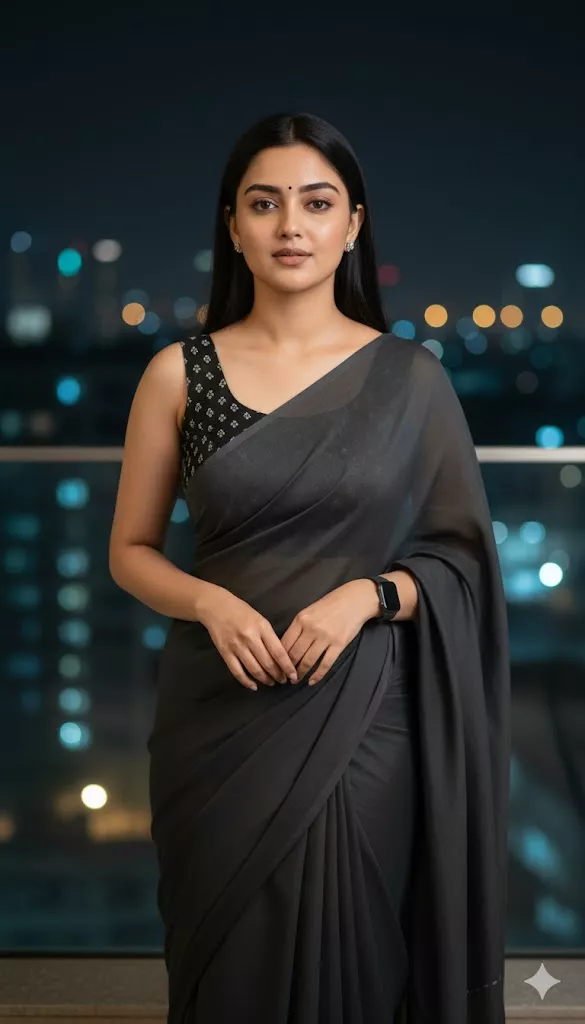
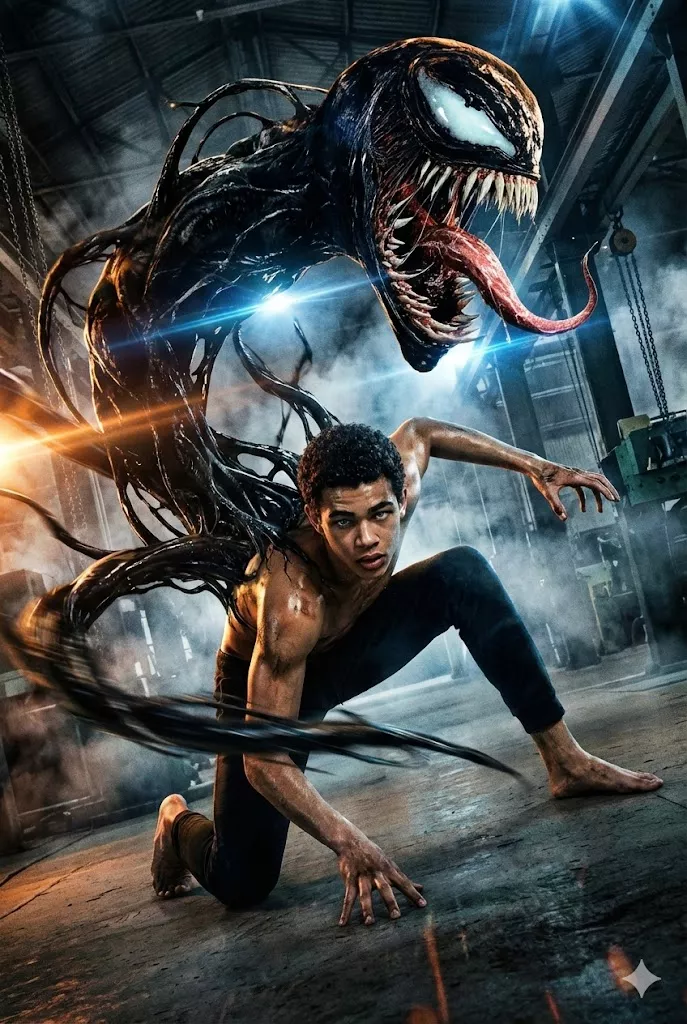
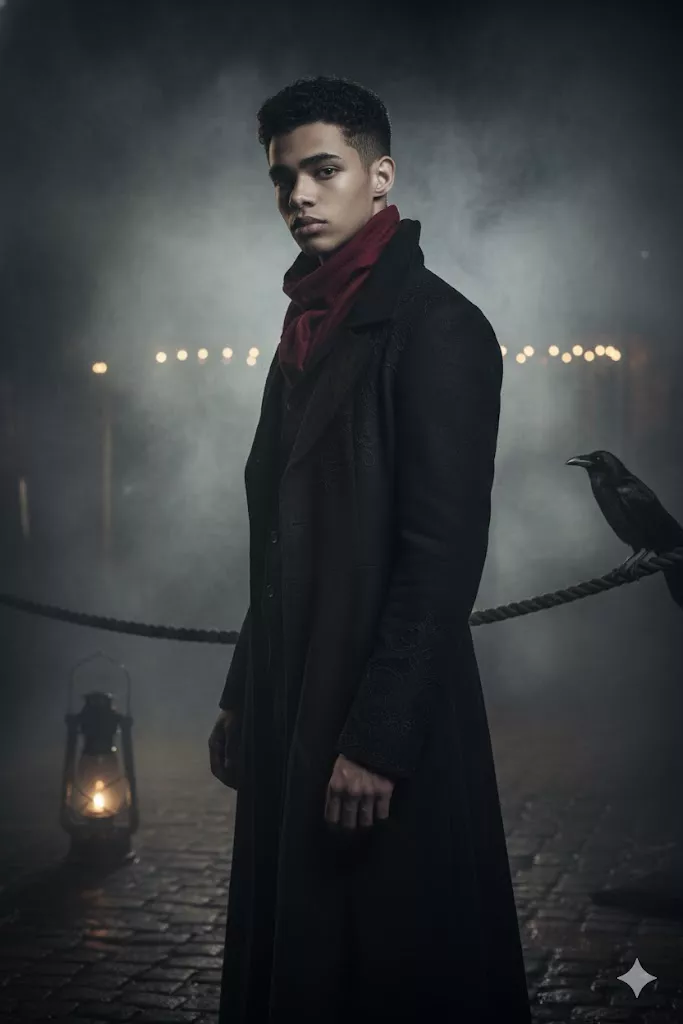
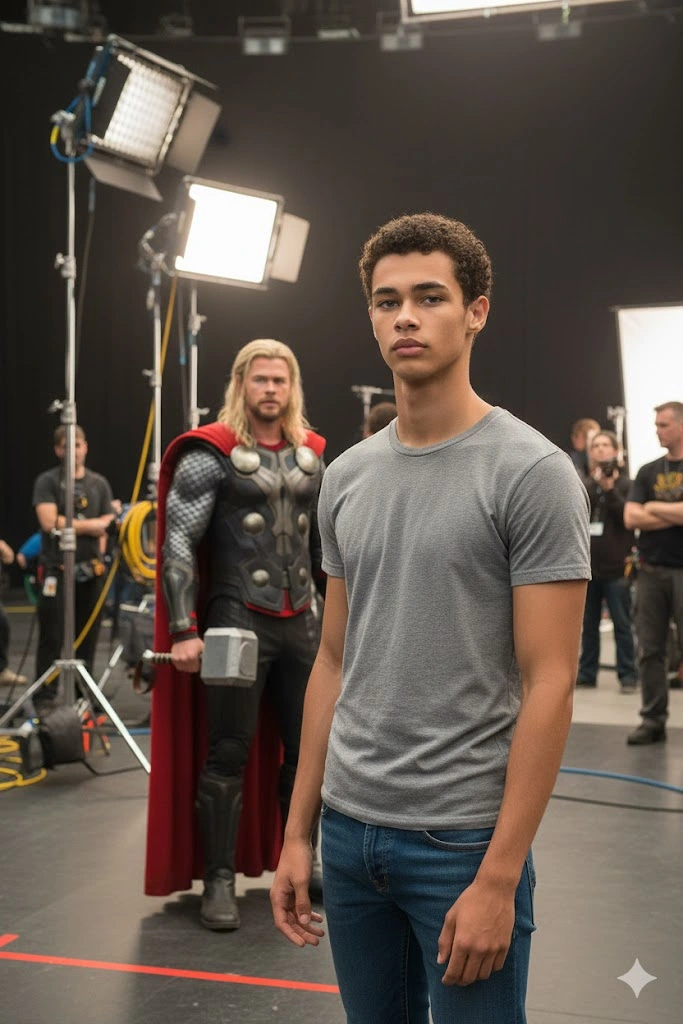
Fantasy characters can look far more convincing when realistic facial details, dramatic lighting, cinematic composition, and immersive environments are combined in a single AI image prompt.
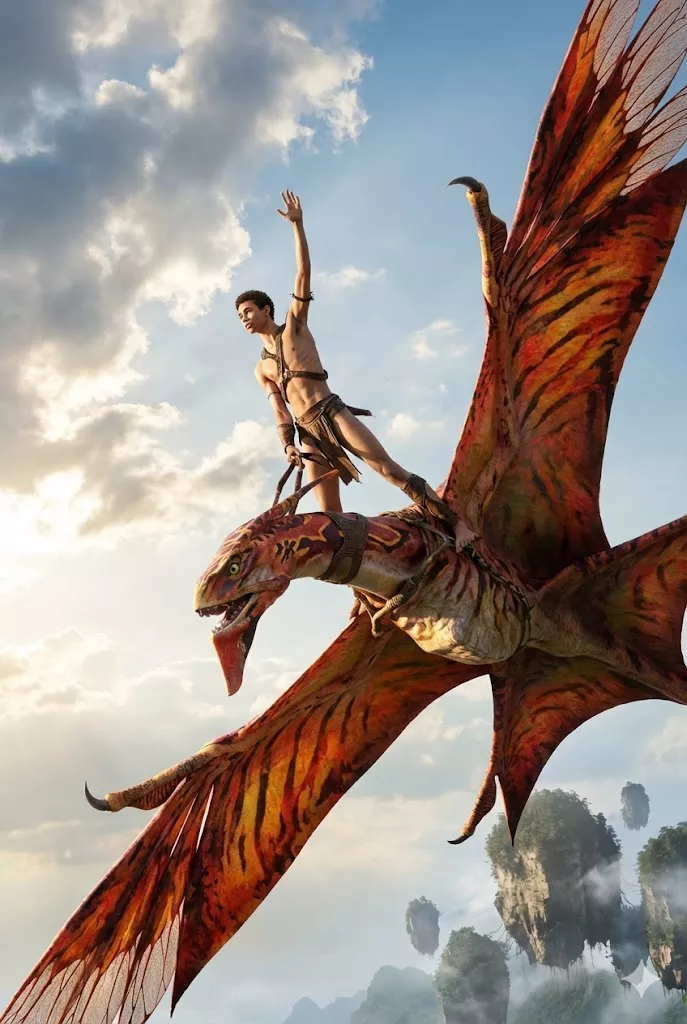
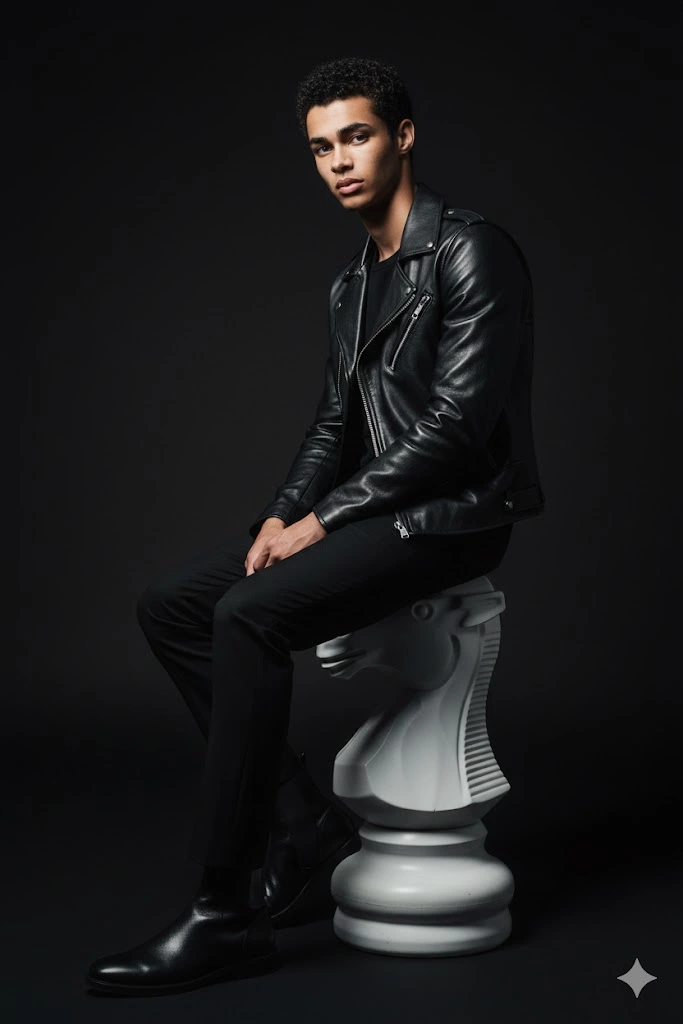
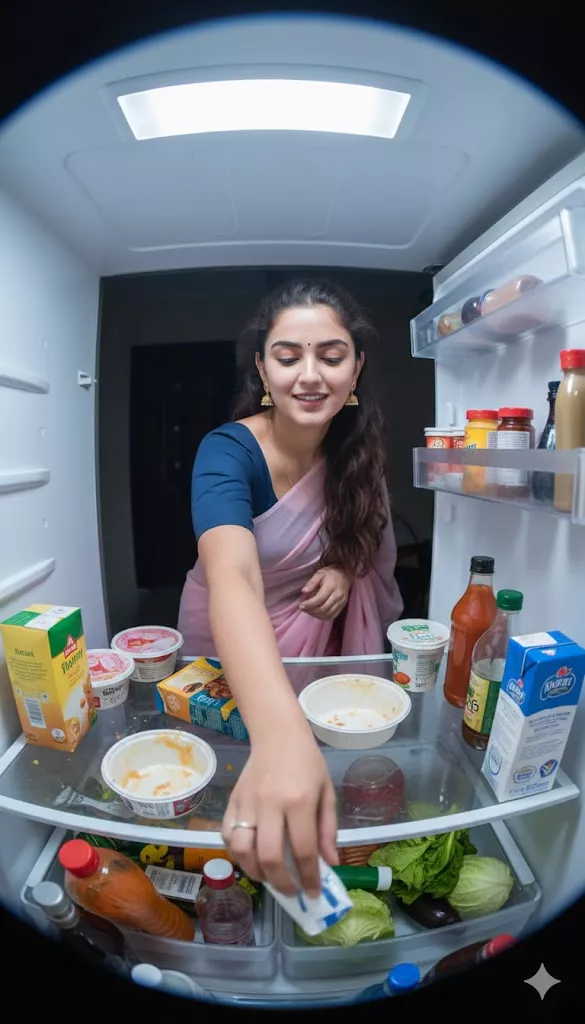
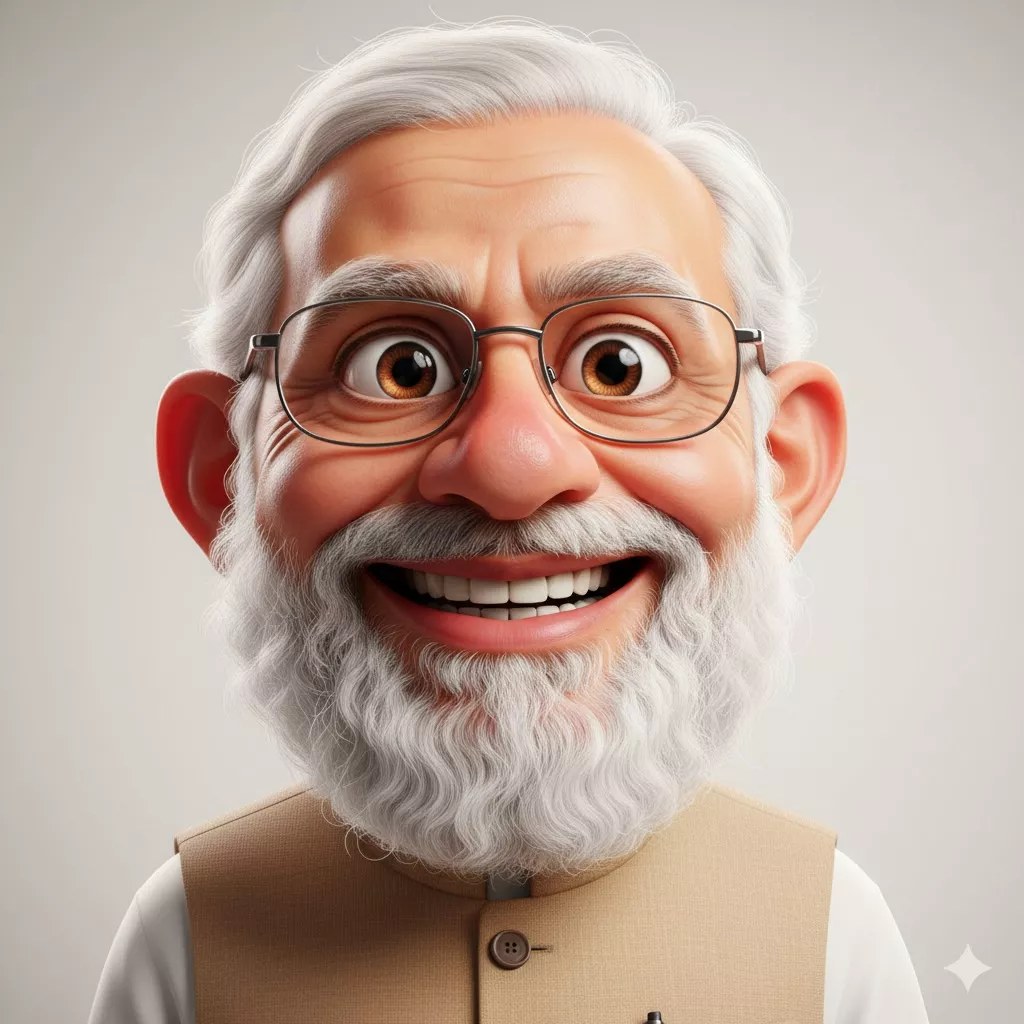
This collection includes 10 ultra-realistic cinematic fantasy portrait prompts designed to create detailed characters with a movie-like visual style. You can customize the character, clothing, lighting, background, camera angle, and overall mood to create different variations. If your AI image generator supports detailed prompts and reference images, you can also use a reference photo to help guide facial characteristics and proportions.
What Are Cinematic Fantasy Portrait Prompts?
Cinematic fantasy portrait prompts are detailed AI image instructions designed to create realistic fantasy characters with the visual quality of a movie scene.
Instead of simply describing a character as a warrior or wizard, a cinematic prompt combines multiple visual elements, including:
- Character appearance
- Clothing and costume details
- Facial expression
- Camera composition
- Lighting direction
- Depth of field
- Fantasy environment
- Atmospheric effects
- Realistic textures
The goal is to create an image that feels visually intentional rather than a generic fantasy illustration.
How to Create Cinematic Fantasy Portraits with AI
- Step 1: Choose Your Fantasy Character: Start by defining the main character clearly. You can create a fantasy warrior, powerful mage, shadow assassin, royal king or queen, elven character, dark fantasy hero, or a celestial being. A clear character concept helps the AI understand the clothing, expression, environment, and overall visual direction.
- Step 2: Choose the Camera Composition: Camera composition changes the feeling of the final portrait. You can use a close-up portrait for facial details, medium shot for clothing and body language, low-angle shot for a powerful appearance, wide shot for environmental storytelling, or an eye-level shot for a natural portrait.
- Step 3: Add Cinematic Lighting: Lighting is one of the most important elements in cinematic AI portraits. Popular options include golden hour sunlight, blue moonlight, candlelight, firelight, dramatic side lighting, soft rim lighting, or magical glowing light. Try to use one dominant light source and describe how it affects the character's face and surroundings.
- Step 4: Describe the Fantasy Environment: A strong background helps tell the story. Instead of using a simple background, place the character in a detailed environment such as an ancient castle, misty forest, magical library, forgotten temple, fantasy battlefield, gothic cathedral, or mountain kingdom. The environment should support the character rather than distract from them.
- Step 5: Add Realistic Facial Details: To avoid an overly smooth AI appearance, describe natural details such as realistic skin texture, visible pores, individual hair strands, natural facial proportions, subtle imperfections, detailed eyes, and authentic fabric textures. These details can help create a more photographic result.
- Step 6: Generate and Refine: Your first result may not be perfect. Try changing the camera angle, lighting, background, facial expression, clothing details, or mood. Generate several variations and keep the strongest result.
10 Best Ultra-Realistic Cinematic Fantasy Portrait Prompts
Elven Royalty Cinematic Portrait Prompt
Create a regal fantasy character with elegant clothing, detailed jewelry, and a magical forest atmosphere.

Arcane Spellcaster Fantasy Portrait Prompt
This prompt creates a powerful mage surrounded by magical energy and dramatic cinematic lighting.

Dark Fantasy Warrior Portrait Prompt
Create a battle-hardened warrior with dramatic armor, cinematic lighting, and a dark fantasy environment.

Egyptian Fantasy King Portrait Prompt
This style combines royal fantasy elements with ancient Egyptian-inspired architecture and cinematic sunlight.

Half Skull Dark Fantasy Character Prompt
Create a dark conceptual portrait with dramatic contrast and an eerie fantasy atmosphere.

Royal Prince Cinematic Fantasy Portrait Prompt
This prompt creates a sophisticated royal character inside a detailed fantasy castle environment.

Shadow Assassin Cinematic Portrait Prompt
Use this prompt for a mysterious dark fantasy character with low-key cinematic lighting.

Celestial Mage Fantasy Portrait Prompt
Create a magical character surrounded by cosmic details, glowing light, and a celestial fantasy atmosphere.

Gothic Fantasy Portrait Prompt
This prompt focuses on dark romantic architecture, detailed clothing, and dramatic cinematic shadows.

Epic Cinematic Fantasy Hero Prompt
Create a large-scale cinematic fantasy scene featuring a heroic character and an expansive environment.

Prompt Explore


How to Customize Cinematic Fantasy Portrait Prompts
Change the Character: You can completely change the visual concept by replacing the character type. For example, warrior to mage, prince to queen, assassin to knight, human to elf, or young hero to ancient wizard. Keep the lighting and environment if you like the existing composition.
Change the Fantasy Environment: The background can completely change the story. Try replacing the environment with ancient ruins, frozen kingdom, floating castle, enchanted forest, underground temple, desert battlefield, or magical city. Choose environments that match the character.
Change the Lighting: Lighting can create a completely different mood. Try warm golden sunlight, blue moonlight, red firelight, soft candlelight, magical glowing light, or dramatic side lighting. Avoid describing too many different light sources unless you want a highly stylized result.
Change the Camera Angle: Experiment with a close-up portrait, medium shot, eye-level composition, low-angle hero shot, or wide environmental portrait. A close-up focuses on facial emotion, while a wide shot gives more importance to the environment.
Change the Mood: You can transform the same character by changing the emotional direction. Examples include dark and mysterious, heroic and epic, romantic and dreamy, cold and intimidating, or peaceful and magical.
Tips for Better Cinematic AI Portrait Results
- Start with a clear character concept.
- Choose the camera composition before adding too many details.
- Describe realistic skin and hair textures.
- Use one main light source for cleaner shadows.
- Add subtle rim lighting when the subject blends into the background.
- Describe clothing materials clearly.
- Use environments that support the character's story.
- Avoid adding too many conflicting visual instructions.
- Generate multiple variations of the same prompt.
- Change one or two elements at a time when refining the result.
Frequently Asked Questions
What is a cinematic fantasy portrait prompt?
A cinematic fantasy portrait prompt is a detailed AI image description used to create realistic fantasy characters with dramatic lighting, professional composition, detailed costumes, and atmospheric environments.
Can I use these prompts with Google Gemini?
You can try these prompts in Gemini if image generation is available in your version. Results may vary depending on the model and available features.
Can I use these prompts with ChatGPT?
These prompts can also be adapted for AI image generation tools that support detailed text instructions, including ChatGPT versions with image generation capabilities.
How do I make AI portraits look more realistic?
Add details such as natural skin texture, realistic hair strands, subtle facial imperfections, detailed clothing materials, controlled lighting, and realistic depth of field.
What camera angle is best for cinematic portraits?
There is no single best angle. Close-up shots work well for facial emotion, while low-angle shots can make a character appear more powerful. Wide shots are useful when the environment is an important part of the image.
Can I use a reference photo?
If your AI image generator supports image uploads or reference images, you can use a reference photo to help guide facial characteristics and proportions.
How can I customize the fantasy character?
You can change the character's clothing, hairstyle, age, expression, environment, lighting, and overall mood while keeping the rest of the prompt structure similar.
Which lighting works best for cinematic portraits?
Golden hour lighting, directional side lighting, candlelight, moonlight, and subtle rim lighting are useful options depending on the mood you want to create.